



What USCIS Is Actually Looking for at Your Green Card Interview Right Now
At adjustment of status interviews in 2026, USCIS officers are asking more detailed and more pointed questions than they were two years ago.
Policy changes in 2025 directed officers to conduct more thorough interviews, scrutinize the bona fides of marriage-based cases more rigorously, and examine prior immigration violations and public charge considerations with greater attention. If you have a green card interview coming up and you prepared based on what your cousin or coworker experienced three years ago, your preparation is incomplete.
I help clients prepare for adjustment of status interviews. Here is what I am seeing and what you actually need to know going into that room.
What the 2025 policy changes actually changed
USCIS issued guidance in 2025 directing officers to return to a more rigorous pre-2021 interview standard and to use the full scope of their authority to examine cases. In practice this means longer interviews, more probing questions about the relationship and living situation in marriage-based cases, more detailed examination of an applicant's immigration history including any periods of unlawful presence, and closer scrutiny of criminal history including arrests that did not result in convictions.
The guidance also directed officers to be more attentive to public charge considerations, which means questions about employment, household income, use of public benefits, and financial support. For cases where the sponsor's income is close to the threshold or where the applicant has used certain public benefits, this is a meaningful change.
What officers are asking in marriage-based cases specifically
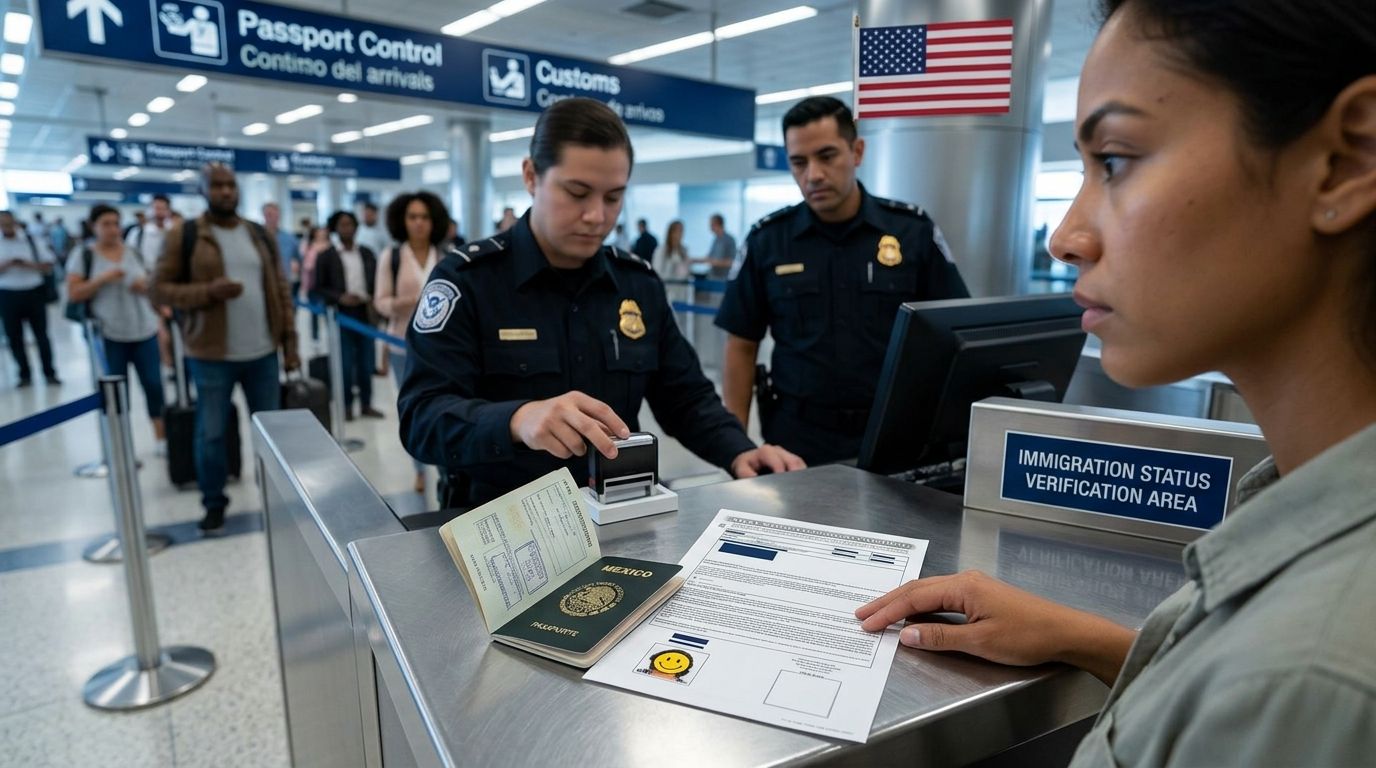
In marriage-based adjustment of status cases, the interview is designed to confirm that the marriage is real and was not entered into for immigration purposes. Officers ask questions about how you met, your wedding, your daily life together, your home, your finances, your children if you have them, and the details of your relationship. They may interview spouses separately and compare answers.
The questions that trip people up most often are not the big ones. They are the specific ones. What side of the bed does your spouse sleep on? What did you do last weekend? Who does the grocery shopping? What is the name of your spouse's employer and what do they do there? What is the monthly rent or mortgage payment and whose name is on it? If you and your spouse cannot answer these questions consistently and naturally, the officer notices.
Preparation for a marriage-based interview means sitting down together and going through the details of your shared life. Not memorizing answers, because memorized answers sound memorized. Actually talking through your story, your routines, and the specifics of how you live together so that both of you can answer questions from any angle without hesitation.
What to bring to the interview and what documentation matters
Bring your original documents. Bring evidence of your shared life, meaning joint bank account statements, joint lease or mortgage documents, insurance policies with both names, photos from your life together not just your wedding, correspondence sent to your shared address, and evidence of joint financial entanglement like utility bills and car insurance. The more documentation shows that two people actually share a life together, the stronger the interview position.
For cases with any immigration complications in the background, including prior removal orders, prior periods of unlawful presence, prior visa overstays, or prior denials of any immigration benefit, bring documentation and be prepared to address them directly. Officers are trained to ask about these things and an answer of I did not know or I forgot is not a good answer. Bring your attorney with you, this is very important and helpful, attorneys can fill in the gaps if officers allow it.
What happens if the interview does not go well
If the officer issues a Request for Evidence at the end of the interview, that is not a denial. It is an opportunity to submit additional documentation. Respond to every item in the RFE completely and within the deadline.
If the officer issues a Notice of Intent to Deny, you have an opportunity to respond to the stated grounds before a formal denial issues. This is the moment to get an attorney involved if you do not already have one.
If the interview is continued, meaning the officer schedules a follow-up rather than making a decision that day, find out why before you leave and address whatever the outstanding issue is with your attorney.
If you have a green card interview coming up, a consultation before the interview is worth every cent. Call us.
Attorney Arzoo Connor
ARC Legal Services | Fort Worth, TX | Hablamos Español
469-200-0158 | www.arclawoffice.com
This post is for general informational purposes only and is not legal advice. Immigration law is complex and every case is different. Please consult a qualified attorney about your individual situation.