



Birthright Citizenship Survives the Supreme Court: What It Means, Why It Matters, and What It Doesn't Fix
On June 30, 2026, the United States Supreme Court ruled 6-3 to uphold birthright citizenship, striking down President Trump's January 2025 executive order that attempted to end automatic citizenship for children born in the United States to parents who are undocumented or here on temporary visas.
For immigrant families across this country, this ruling matters enormously. For the immigration system as a whole, it is one piece of a much larger and still very uncertain picture.
This post will walk through exactly what happened, what it means for families and children, what it does not change, and what you should actually do right now depending on your situation.
What Is Birthright Citizenship and Why Was It Under Threat?
Birthright citizenship is the principle that anyone born on United States soil is automatically a US citizen, regardless of the immigration status of their parents. This right is grounded in the Fourteenth Amendment to the Constitution, ratified in 1868, which states that "all persons born or naturalized in the United States, and subject to the jurisdiction thereof, are citizens of the United States."
For over 150 years this has been settled law. The Supreme Court first affirmed it in 1898 in United States v. Wong Kim Ark, ruling that a child born in San Francisco to Chinese parents was a US citizen by birth. That precedent has held ever since.
In January 2025, President Trump signed an executive order on his first day back in office directing federal agencies to no longer recognize birthright citizenship for children born to parents who are in the country unlawfully or on temporary visas. The order was immediately challenged in courts across the country, and lower courts blocked it from taking effect. Today, the Supreme Court put the question to rest.
Chief Justice John Roberts wrote the majority opinion. Six justices rejected the executive order. The Fourteenth Amendment means what it has always meant.
What Was Actually At Stake: The Real-World Impact for Families
This was not an abstract constitutional debate. The stakes were concrete and life-altering for hundreds of thousands of people.
Approximately 250,000 babies are born every year in the United States to parents without permanent immigration status. If the executive order had been upheld and allowed to take effect, those children would not have automatically received US citizenship. The implications of that are severe:
No US birth certificate recognized for citizenship purposes. The document every American uses to get a passport, enroll in school, apply for a job, or prove their identity would no longer have been sufficient.
No Social Security number at birth. Access to government programs, healthcare, and employment would have been significantly complicated from day one of a child's life.
Potential statelessness. In some cases, children could have ended up without recognized citizenship in any country — their parents' home country might not grant automatic citizenship either, leaving a child in legal limbo with no nationality at all.
Generational consequences. Citizenship at birth affects not just the child but their future ability to sponsor family members, vote, serve, and fully participate in American life.
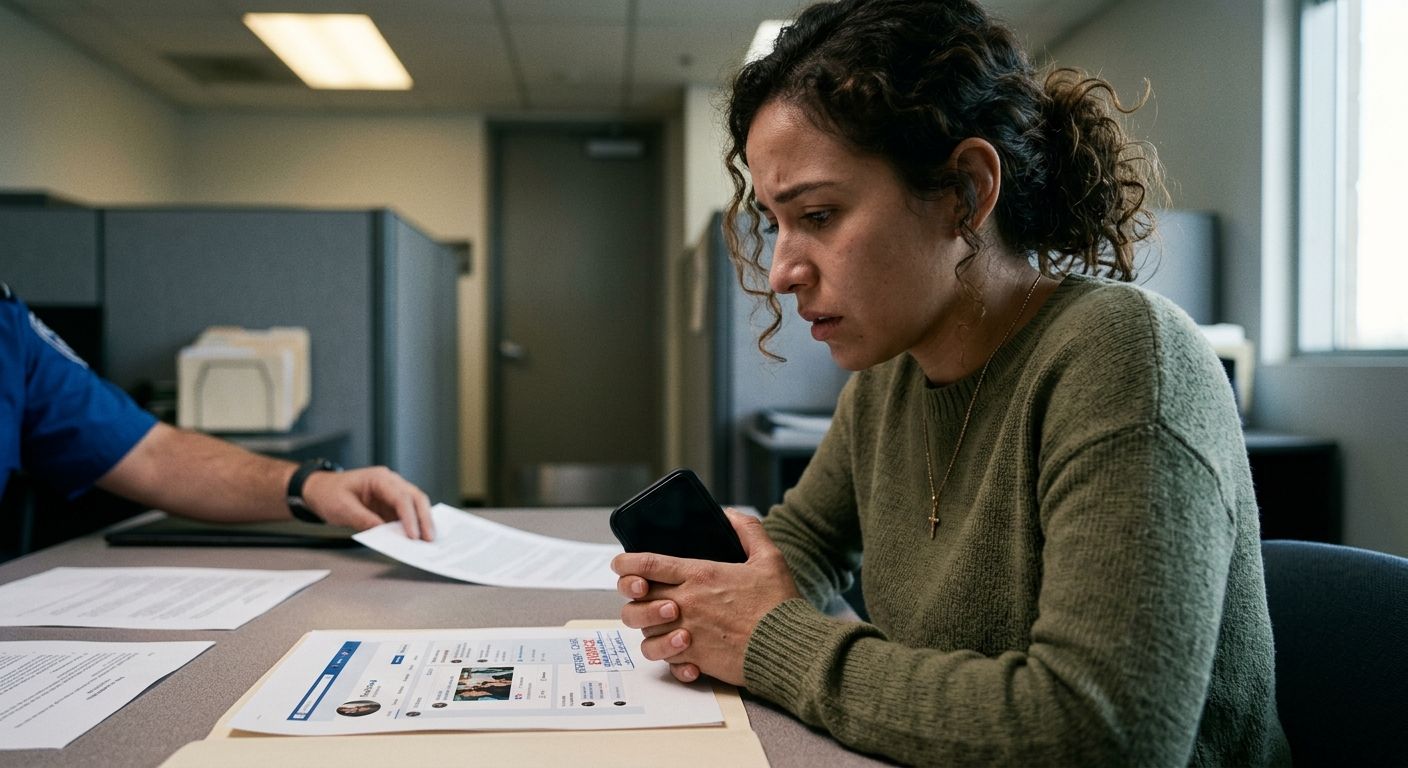
For my clients who are pregnant or planning families, and for the families who have sat across from me terrified about what this ruling might mean for their children, today is genuinely good news. Children born in the United States are citizens. That is protected.
What the Ruling Does Not Change
This is where I have to be honest about the limits of today's win.
The Supreme Court's ruling protects what happens the moment a child is born on US soil. It does not touch anything happening to people who are already here navigating the immigration system.
In the same term, this Supreme Court issued three other immigration rulings that went the other way entirely:
Temporary Protected Status stripped for Haitians and Syrians. On June 25, 2026 the Court ruled 6-3 in Mullin v. Doe that federal courts cannot review the Department of Homeland Security's decision to end TPS designations. That means DHS has unchecked power to terminate protections for any country, and there is no judicial recourse. Roughly 350,000 Haitians and 6,000 Syrians are immediately affected. Nearly 1.3 million people held TPS across 13 countries before the current administration began ending those designations. All of them are now more vulnerable. People who have lived here legally for decades, raised US citizen children, built businesses, and held jobs in healthcare, construction, and education can now be deported with no avenue left to challenge it in court.
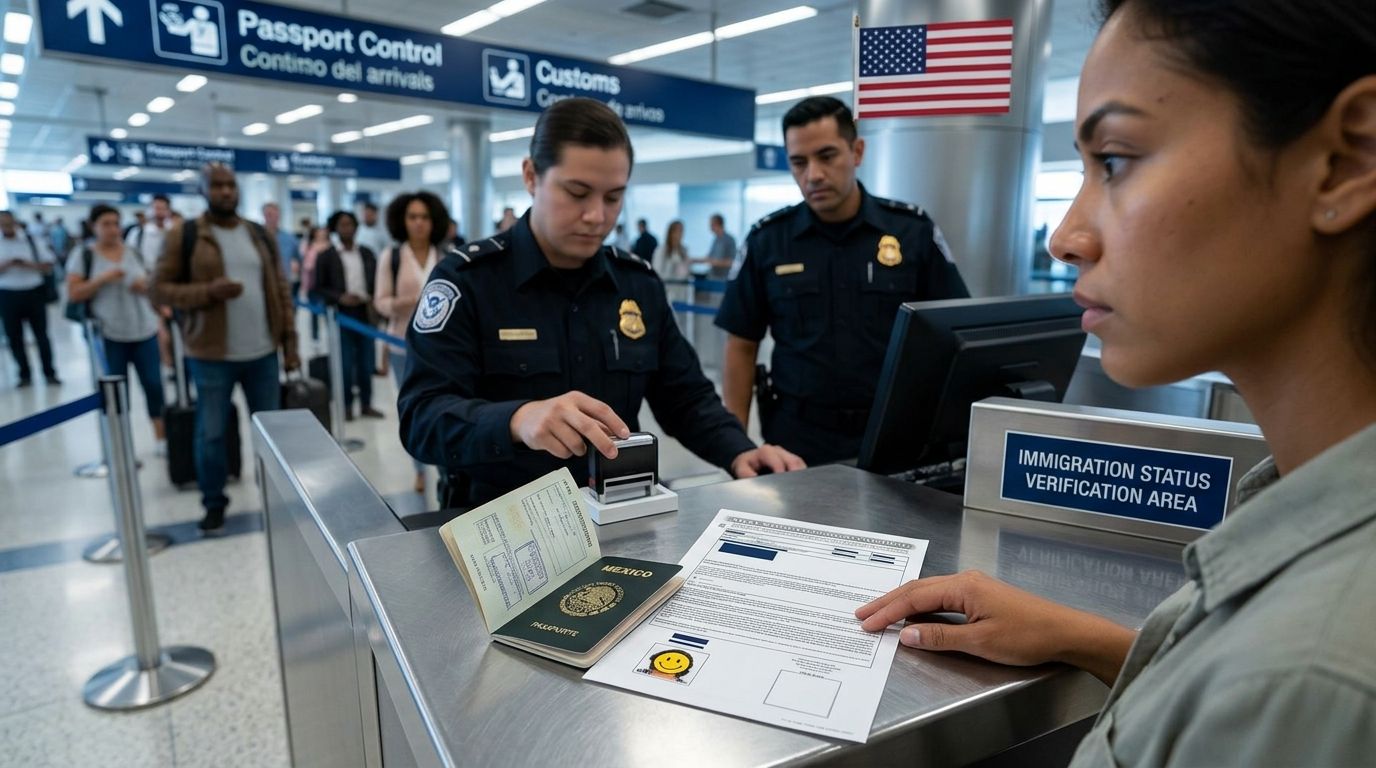
Green card holders and suspicion of crime. On June 23, 2026 the Court ruled 6-3 in Blanche v. Lau that border officers do not need clear and convincing evidence that a returning lawful permanent resident committed a crime before treating them as someone applying for admission rather than someone already admitted. Suspicion alone is now enough to begin deportation proceedings against a green card holder at the border.
Asylum seekers at the border. Also on June 25, 2026 the Court ruled 6-3 that the government can physically turn back asylum seekers before they reach US soil. If you never cross, you have no right to make an asylum claim at all.
Beyond the Supreme Court, USCIS issued a new policy memo earlier this month raising the standard for Adjustment of Status — the process of applying for a green card from inside the United States. Proving you qualify is no longer enough. Officers are now scrutinizing why you filed from inside the country instead of going through a consulate abroad, and the evidence required is significantly more substantial than it was just weeks ago.
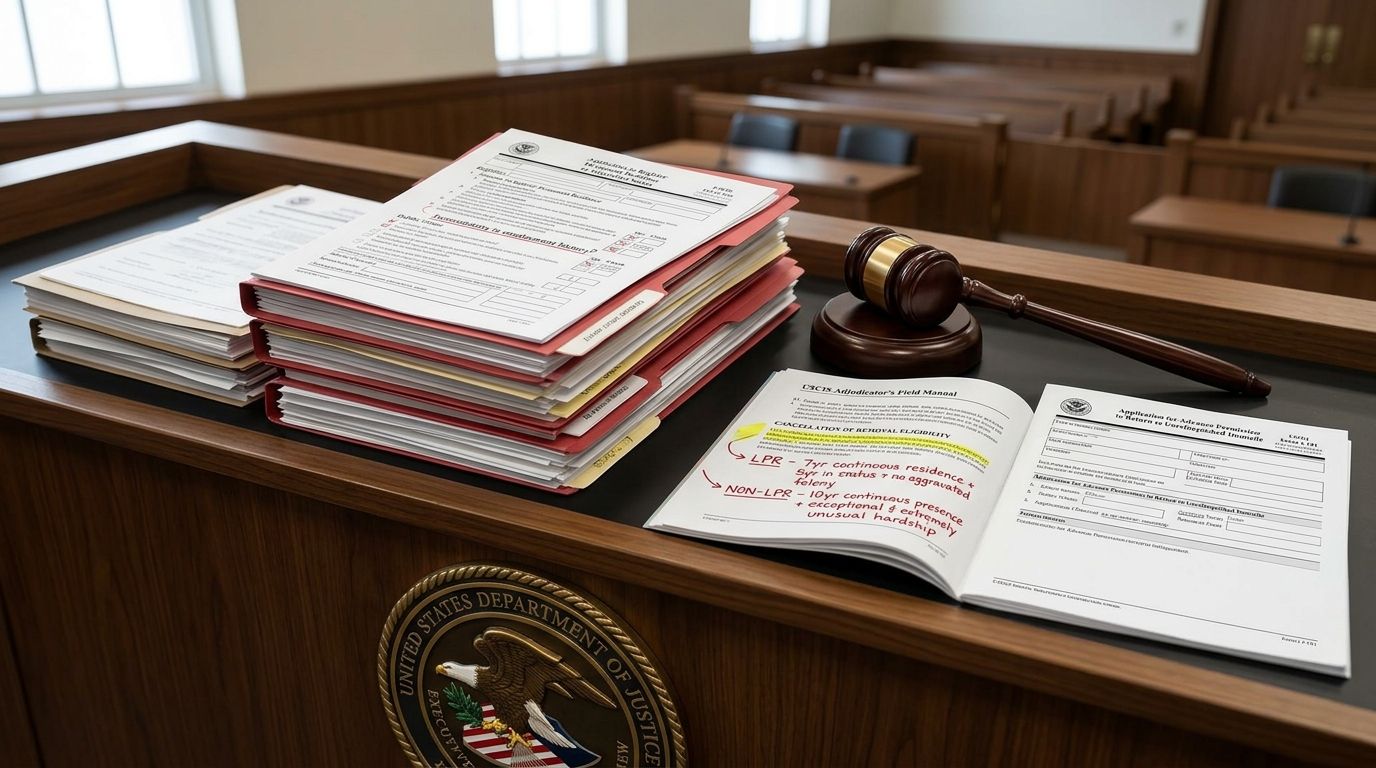
Immigration courts are simultaneously scheduling what attorneys are calling "mega master" hearings — mass calendar hearings with 100 or more people at a time — pulling forward cases that were set for 2027, 2028, and 2029. People are missing hearings they did not know were rescheduled. A missed hearing can result in a removal order issued in your absence.
Four Supreme Court immigration rulings in one term. A new USCIS policy memo. Accelerated court dockets. The youngest amongst us were protected today. Everyone else in the immigration system is navigating a landscape shifting faster than most people realize.
What You Should Do Based on Your Situation
If you were worried about your child's citizenship status: You can let that specific fear go. Any child born on US soil is a US citizen under the Fourteenth Amendment and today's ruling confirms that protection is intact.
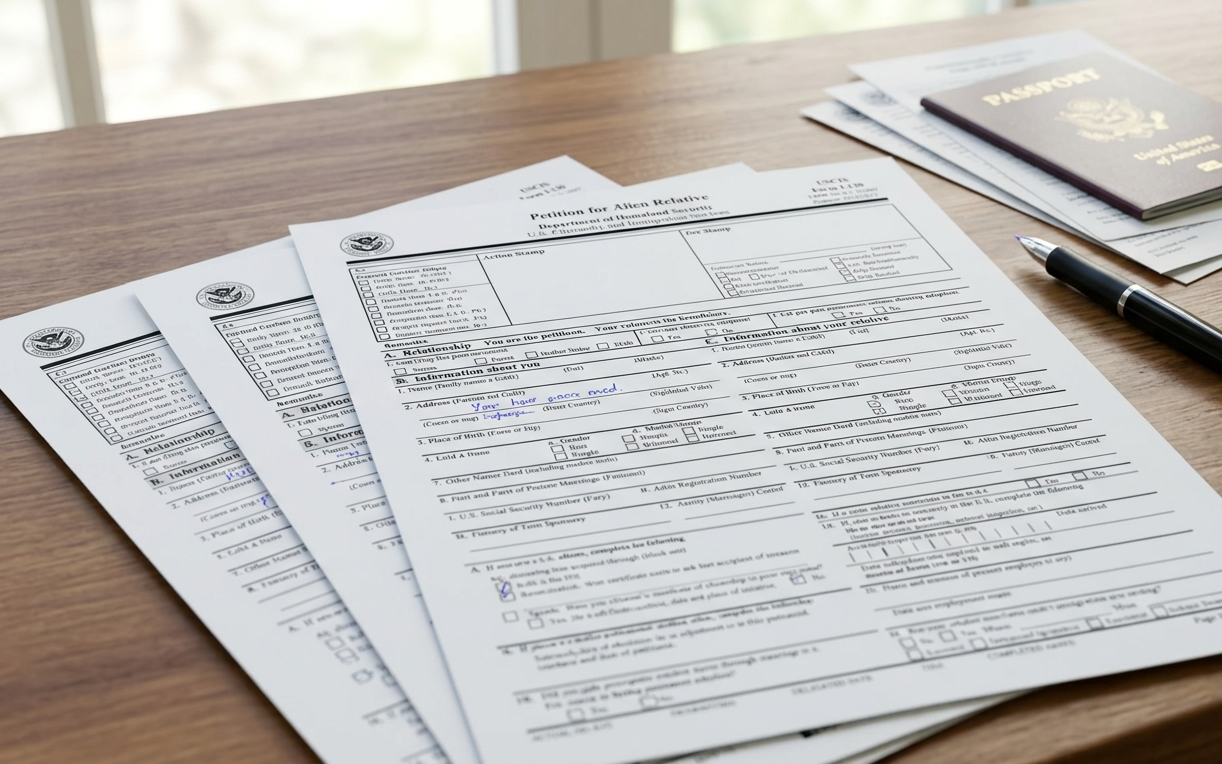
If you have a pending green card application or are thinking about filing: Do not file on your own right now. The standards changed this month. What was the right strategy last month may not be the right strategy today. Talk to an immigration attorney who understands how cases are actually being reviewed under the new USCIS memo before you do anything.
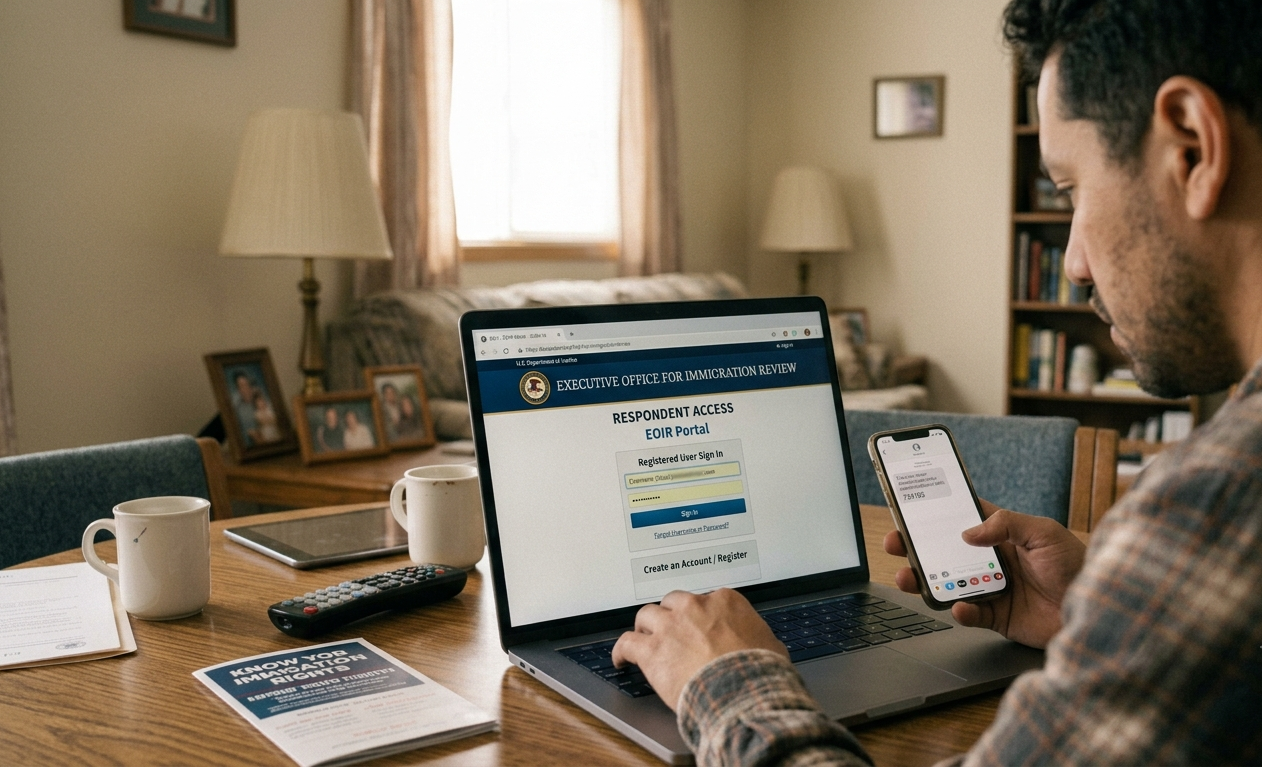
If you have a pending immigration court case: Log into your EOIR account today and confirm your hearing date. Do not assume it is still what it was when you last checked. Courts are rescheduling cases with little notice, and a missed hearing has serious consequences.
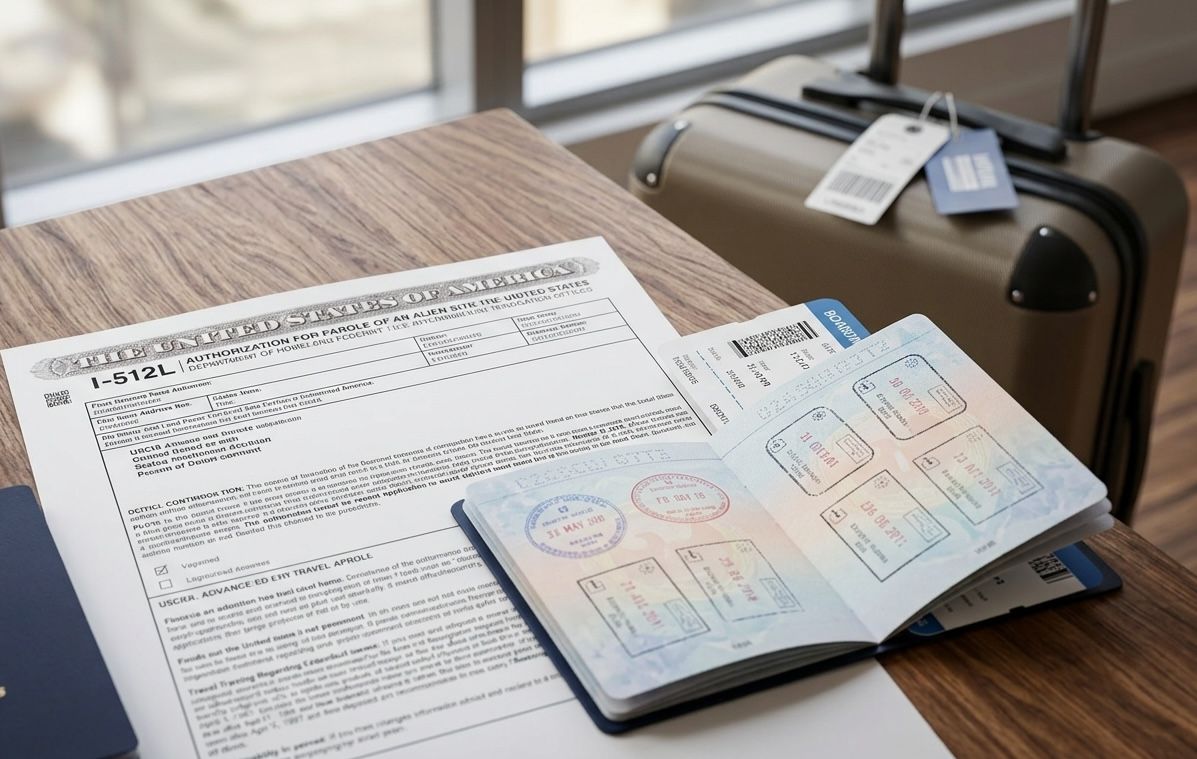
If you have a green card and any criminal history: Do not travel internationally without speaking to an attorney first. The legal landscape around what can happen to a lawful permanent resident at the border changed with this month's Supreme Court ruling on immigration parole.
If you are outside the US and trying to seek asylum: The path just got significantly harder following the Supreme Court's ruling earlier this month on border metering. Speak with an attorney about your options before making any decisions.
If you have Temporary Protected Status from Haiti, Syria, or another country: The Supreme Court ruled that courts cannot review DHS's decision to end TPS designations. That means the legal fight in the courts is largely over. If you have TPS, speak with an attorney now about whether any other pathways exist for your situation — family-based options, asylum, or other forms of relief — before your status expires.
Frequently Asked Questions About the Birthright Citizenship Ruling
Does the Supreme Court's birthright citizenship ruling affect my green card or immigration case? No. This ruling applies only to citizenship for babies born on US soil. It does not change green card adjudication, asylum proceedings, TPS status, immigration court cases, or enforcement policies.
I have Temporary Protected Status. Does today's birthright citizenship ruling help me? No. The birthright citizenship ruling is separate from the TPS ruling issued on June 25, which gave DHS unchecked power to end TPS designations without court review. Those are two distinct rulings. If you have TPS, reach out to an attorney to understand your options.
Is birthright citizenship permanently protected now? This ruling reaffirms over 150 years of constitutional precedent under the Fourteenth Amendment. It cannot be changed by executive order. Any future change would require a constitutional amendment, which is an extremely high bar.
My child was born in the US and I am undocumented. Is my child still a citizen? Yes. Under the Fourteenth Amendment and today's ruling, your child is a US citizen by birth regardless of your immigration status.
Can the president issue another executive order on birthright citizenship? Today's ruling makes clear that birthright citizenship is a constitutional right, not a policy that can be changed by executive action. A new executive order on the same grounds would face the same legal outcome.
What does this ruling mean for my own immigration status as a parent? It does not change your status. Your child being a US citizen does not automatically confer any immigration benefit to you as a parent, though it may be a relevant factor in future immigration proceedings. Speak with an attorney about your specific situation.
A Note From Our Office
Immigration law is moving faster right now than at almost any point in recent history. We post updates like this because we believe people deserve to understand what is actually happening, not just hear that something happened.
If you have questions about how any of this affects your specific situation, reach out to us directly. We are here, and we will give you honest guidance.
Attorney Arzoo Connor ARC Legal Services Fort Worth, TX | Hablamos Español 📞 469-200-0158 🌐
www.arclawoffice.com
This blog post is for general informational purposes only and does not constitute legal advice. Immigration law is complex and fact-specific. Please consult a qualified immigration attorney regarding your individual situation before taking any action.