



If You Have an Open Immigration Case, Check Your Hearing Date Today
Immigration courts are pulling cases forward by years with little to no warning. Missing your hearing, for any reason, can end your case in a removal order.
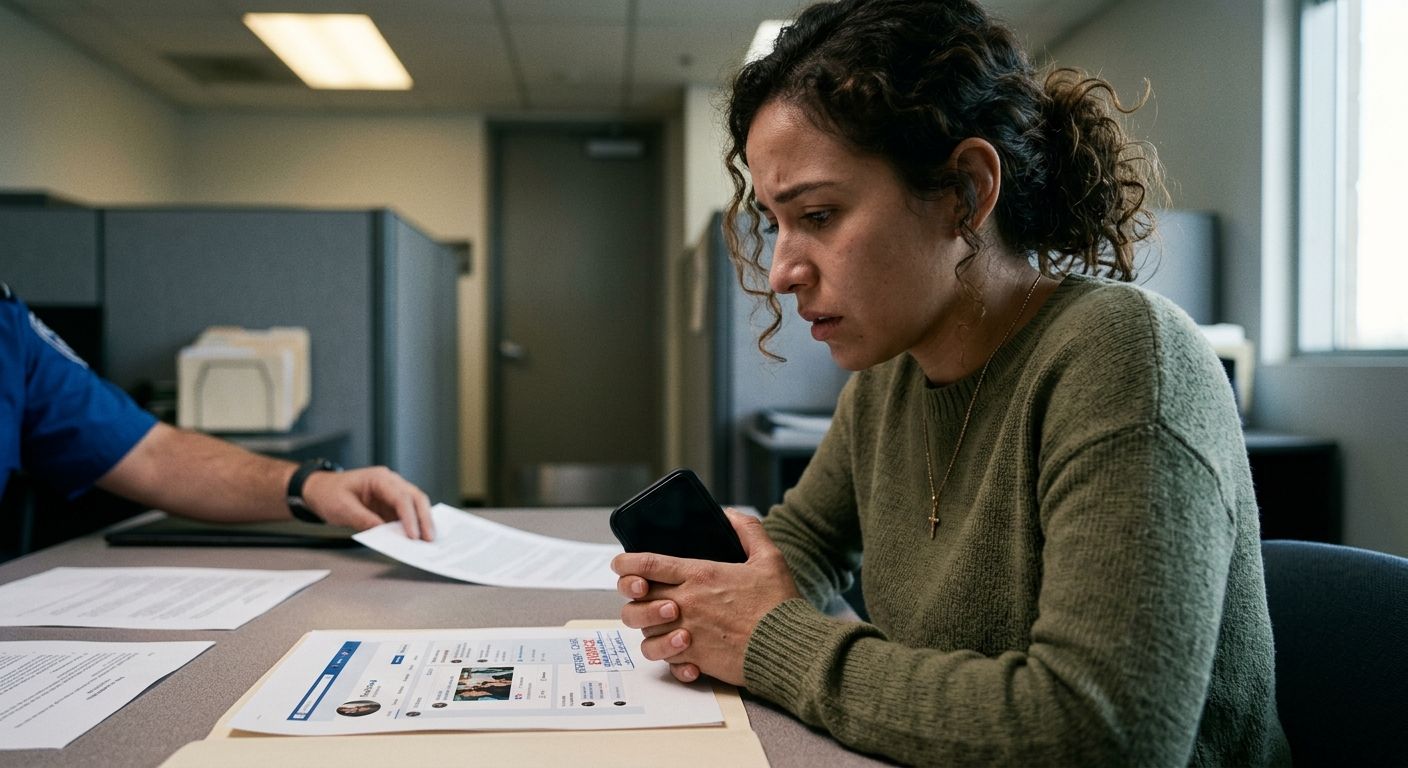
If you have an open immigration case and you have not checked your hearing date recently, stop reading this and check it right now.
Cases that were not scheduled to be heard until 2027, 2028, even 2029 are being pulled forward. Some people are getting a week or two of notice. Some are getting none at all. And if you miss your hearing, a judge can issue a deportation order that same day without ever hearing your side of the story.
This is what is happening in immigration courts across the country right now.
What a Mega Master Hearing Is
When someone is in removal proceedings, their first court appearance is called a master calendar hearing. Historically these were small. Ten to fifteen people, sometimes a few more, each called one at a time before a judge. The judge would confirm who you are, explain the charges against you, ask if you had an attorney, and set dates for future hearings. It was procedural and it moved at a pace where each person had a real moment in front of the judge.
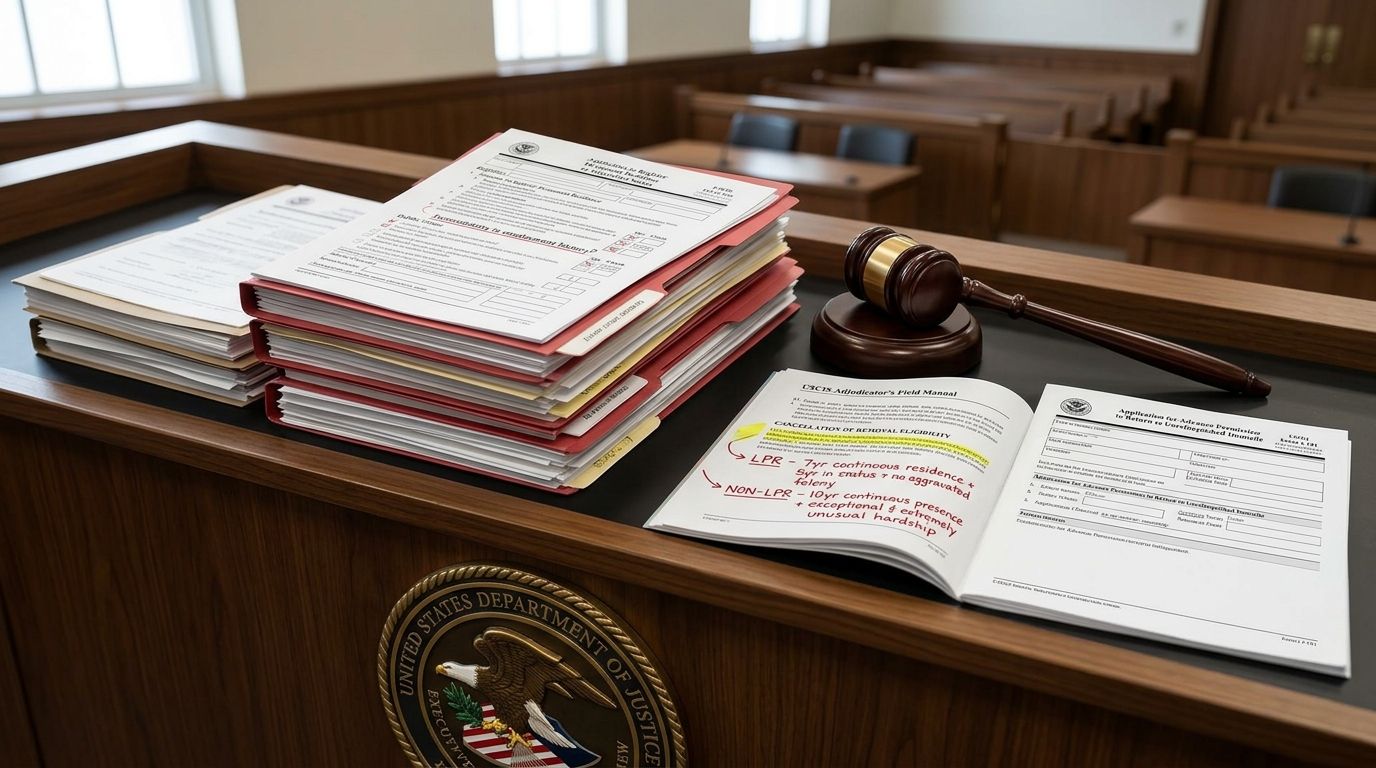
Courts are now scheduling what immigration attorneys are calling mega master hearings. Same type of hearing, except instead of ten or fifteen people, there are 100 or more in the same slot. An immigration judge in New York recently had 121 cases on her docket in a single day. In New Orleans, one court scheduled over 250 hearings across two time slots in one day. An attorney with over two decades of practice told ABC News he had never seen anything like walking into a courtroom to hear a judge say there were 100 cases that day.
This is happening because the Justice Department issued a nationwide directive to accelerate these hearings. Courts are also bringing on new judges at an unusually fast pace specifically to move more cases through the system faster.
The people being called are not people who were close to finishing their cases. Many had dates years away. Those dates are being moved up, often with very little notice, and the notices are going to whatever address the court has on file, which may not be where someone actually lives anymore.
What Happens If You Miss It
Missing an immigration court hearing is one of the most damaging things that can happen to a case.
When someone does not show up, the judge does not reschedule. The judge issues what is called an in absentia removal order. That order authorizes immigration enforcement to detain and deport the person. There is no further hearing. The case is over.
The government's position is that if they sent a notice to the address on file, they did their part. It does not matter if you never received it because you moved. It does not matter if your hearing date changed with a week's notice and you did not know. The removal order stands.
This is exactly why the mega master format is producing the results it is. A Texas-based immigration attorney told NPR anonymously that courts are anticipating most people will not show up, and every absence becomes a completed deportation case.
The Form They May Hand You in That Courtroom
At some of these hearings, people are being handed a form called a pleading declaration. It asks you to respond in writing to the charges in your case.
This form matters more than it looks.
Signing it without understanding what it says can be treated as an admission to the charges against you. It can affect your entire case going forward. In a normal hearing with a small docket you would have a moment with the judge to ask questions. In a room with 100 people, that moment does not really exist.
If anyone hands you a form in an immigration courtroom, do not sign it until you understand what it says. You are allowed to tell the judge you want to review it with an attorney before signing. That is not being difficult. That is protecting yourself.
What You Can Say If You Are in That Courtroom Without a Lawyer
You have rights in an immigration courtroom even without an attorney. The problem is nobody is going to explain them to you when there are 100 other people waiting.
The most important thing to know is that this hearing is not your trial. Nothing is being decided about your case that day. You are there to confirm your identity, acknowledge the charges, and set future dates. You do not have to resolve anything.
If you do not have an attorney, ask the judge for more time to find one. Say it clearly: Your Honor, I do not have an attorney and I am asking for more time to find one. Judges grant this. It is a legitimate request and making it does not hurt your case.
Do not agree to voluntary departure without talking to an attorney first. It sounds like a less serious option than deportation. It is not simply a softer version. It is a legal choice with its own consequences that can affect future applications. It deserves a real conversation before anyone agrees to it.
If you are afraid of what would happen to you if you returned to your home country, say that to the judge. You do not need to have a full asylum case prepared that day. You just need to say it. Those words preserve a path that cannot be opened later if you stay silent now.
How to Check Your Hearing Date Right Now
Do not wait for a notice in the mail. Check the system directly.
You can call the EOIR automated case information line at 1-800-898-7180. Have your A number ready. The system will tell you your next hearing date and location.
You can also check online at acis.eoir.justice.gov using your A number.
If your address has changed since your case was opened, file a change of address with the court immediately using EOIR Form 33. This is not complicated. Not filing it and missing a hearing because a notice went somewhere you no longer live is.
If Your Case Has Been Sitting for Years
A lot of families were told, directly or indirectly, that their case would not be heard for years and to essentially go on with their lives in the meantime. That advice made sense when those hearing dates were three or four years away.
It does not make sense now.
Cases that were scheduled for 2027 and 2028 are being called today. If you have had a pending case and have not engaged with an attorney in a while, or never had one, that needs to change. The time to get someone looking at your case is before you are standing in a courtroom with 100 other people and a judge moving through the docket as fast as the calendar will allow.
The families who walk out of these hearings with their cases intact are the ones who showed up knowing what the hearing was for, knowing what to ask the judge, and knowing what not to sign.
About the Author
Arzoo R. Connor is a licensed immigration and estate planning attorney and the founding attorney of ARC Legal Services in Fort Worth, Texas. She came to this country as a child and has spent her career representing immigrant families in removal defense, family-based immigration, adjustment of status, naturalization, and estate planning. To schedule a consultation, call 469-200-0158.