



If You Overstayed Your Visa, Getting Married to a U.S. Citizen Does Not Automatically Fix It
What the Path to a Green Card Actually Looks Like When There Is an Overstay Involved, and Why a New 2026 USCIS Policy Makes This More Urgent Than Ever.
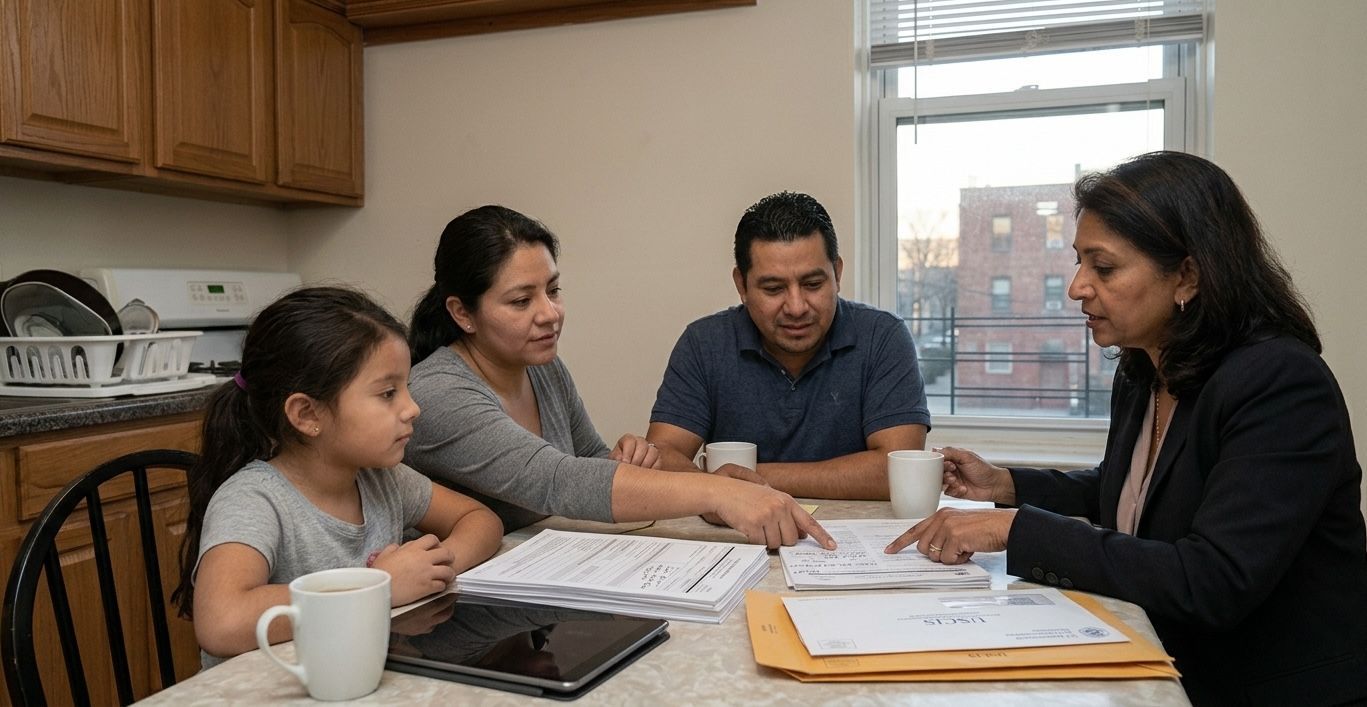
A client came in recently. She had been here for years past her visa expiration, was married to a U.S. citizen, had children here, had built a life here. She assumed the marriage meant the path forward was straightforward.
A path existed. It just was not as clean as she thought.
This comes up constantly in my practice. Spouses of U.S. citizens are immediate relatives under immigration law, which means they are not subject to the annual visa number caps that other family categories are stuck waiting on. That matters. But the marriage does not erase what happened before it, and depending on how long someone has been out of status, it does not determine how the case gets resolved on its own.
The Clock Nobody Told You About
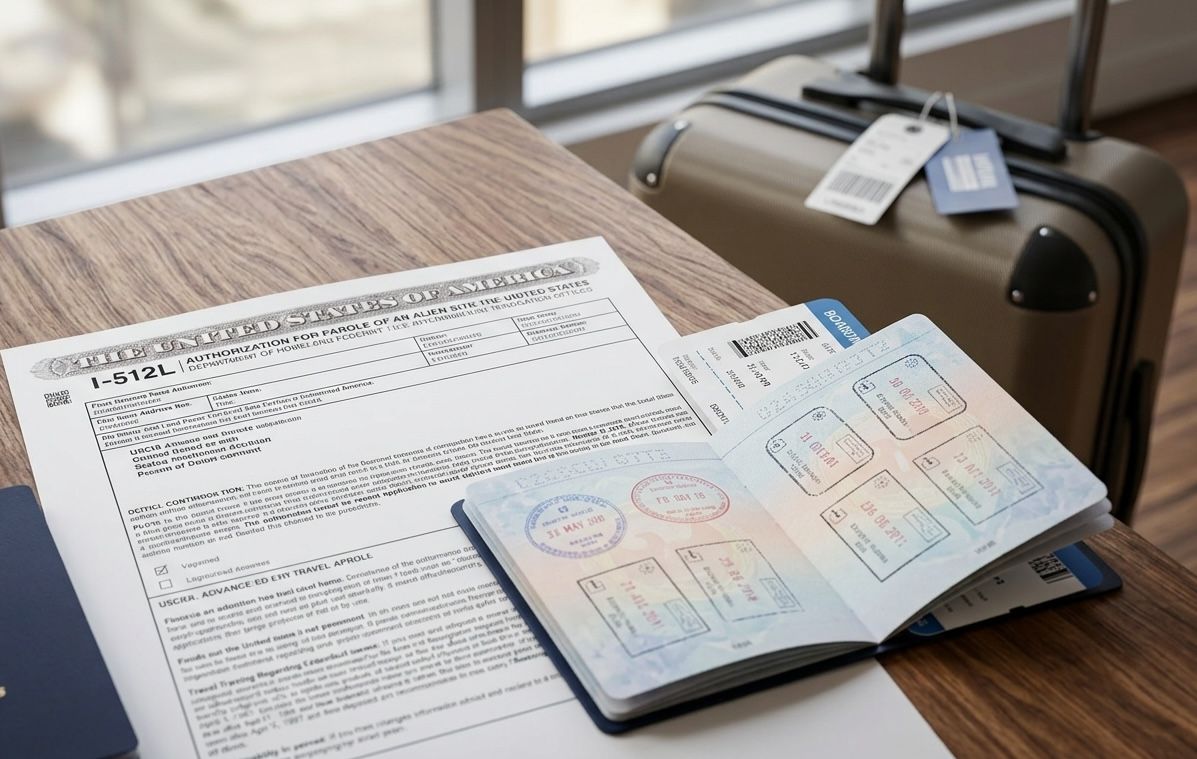
When someone enters on a visa, their I-94 sets the date their authorized stay ends. The day after that date, if nothing has been filed and they have not left, they start accruing what immigration law calls unlawful presence.
Once that number crosses 180 days, leaving the United States triggers a three-year bar on coming back. Once it crosses a year, that bar becomes ten years. These are not discretionary. They are written into the statute. They activate at the border, not in a USCIS office, which means someone can spend years working toward a green card and find out at a consulate abroad that they cannot return for a decade.
I have had clients leave for what they believed was the final step in their process. They did not come back. The bar was already attached before they ever boarded the plane and nobody had told them.
How Someone Entered Changes Everything
Two people can be in nearly identical situations and have completely different options available.
For someone who entered the United States legally on a valid visa and is married to a U.S. citizen, there is a process called adjustment of status that allows them to apply for a green card without leaving the country. The application is filed with USCIS, processed here, and if approved, they become a lawful permanent resident without ever triggering the departure bars. Once an I-485 adjustment application is filed, it also stops the accrual of unlawful presence going forward. The period while it is pending counts as authorized stay.
One thing people get wrong about this: a pending I-485 does not restore the visa status that lapsed. Authorized stay and lawful nonimmigrant status are two different things under immigration law. The distinction matters for certain parts of the case, which is why an attorney needs to look at the full picture before anything is filed.
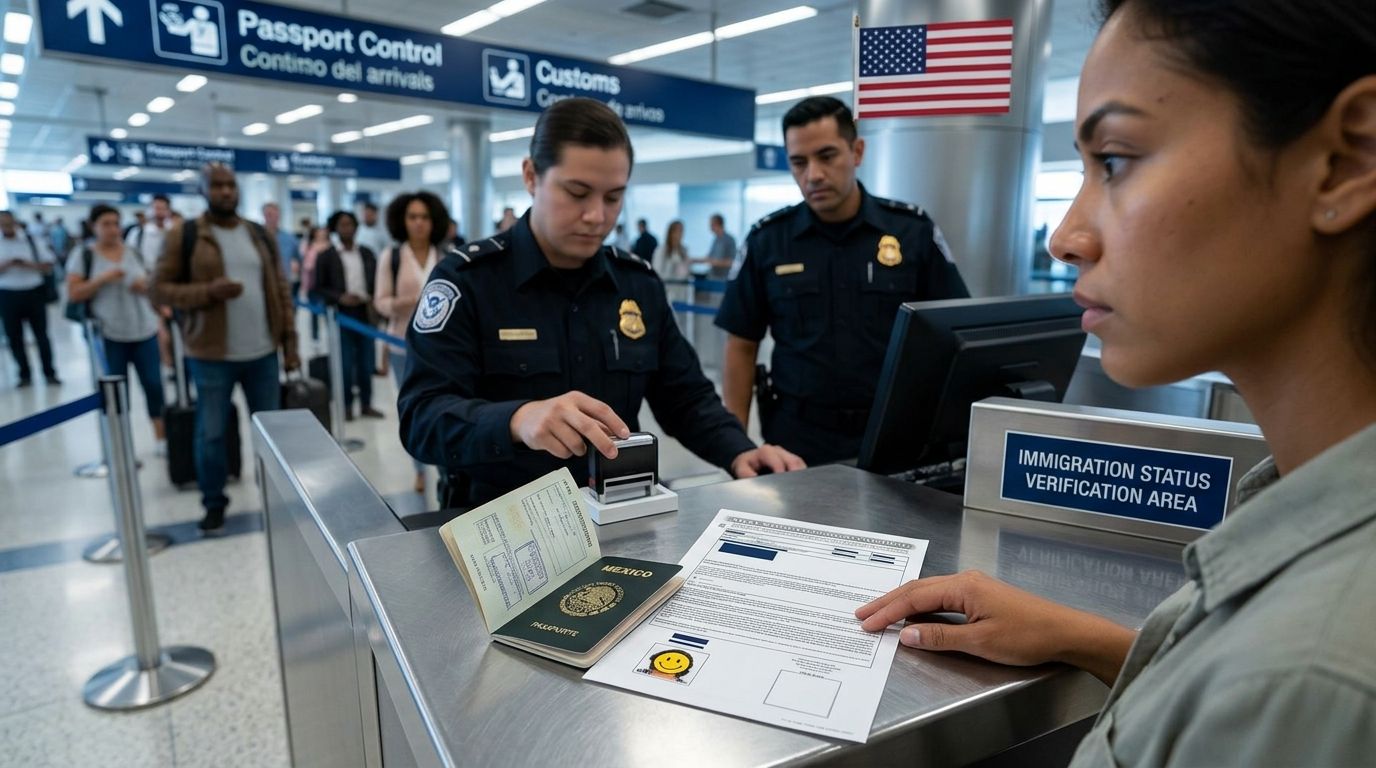
For someone who entered without inspection, meaning they crossed without going through a legal port of entry, the standard adjustment of status pathway is generally not available regardless of who they married. The process for them typically involves consular processing, which means leaving the country for an interview at a U.S. consulate abroad, which is exactly where the unlawful presence bars kick in.
There are waivers available for those bars. A provisional unlawful presence waiver, filed before departure, can address the three-year and ten-year bars for people who have a qualifying U.S. citizen or permanent resident spouse or parent who would suffer extreme hardship if the applicant were barred. These waivers are not guaranteed and the hardship standard requires real documentation, medical records, financial dependence, the impact on children, specific evidence tied to the specific family. Some people qualify. Some do not.
The 2026 USCIS Memo and Why It Matters Right Now
On May 21, 2026, USCIS issued Policy Memorandum PM-602-0199, titled Adjustment of Status is a Matter of Discretion and Administrative Grace. Anyone with an overstay in their history who is planning to file, or who has been putting it off, needs to understand what this memo does.
The memo tells USCIS officers that adjustment of status is not something an applicant is entitled to just because they meet the technical requirements. It frames the process as extraordinary relief and directs officers to exercise discretion in evaluating the full history of an applicant, not just whether the box-checking requirements are met.
Overstays are explicitly listed as negative factors officers must weigh. The memo notes that applicants who remained in the United States instead of departing and pursuing a visa through the normal consular process may face adverse findings in that discretionary review.
For years, spouses and immediate relatives of U.S. citizens were in the most favorable position with USCIS when it came to cases with some overstay history. The assumption was that the family relationship would carry the case. This memo does not eliminate that favorable treatment, but it makes clear that officers should not automatically excuse status violations just because of who someone is married to. That assumption is no longer safe.
DHS has said publicly that the memo is intended to remind officers of existing policy rather than create new restrictions. But I am already seeing more intensive questioning at adjustment interviews, more requests for evidence about entry history, and more scrutiny on cases that would have moved through without friction before. The memo changed the environment even if it did not change the statute.
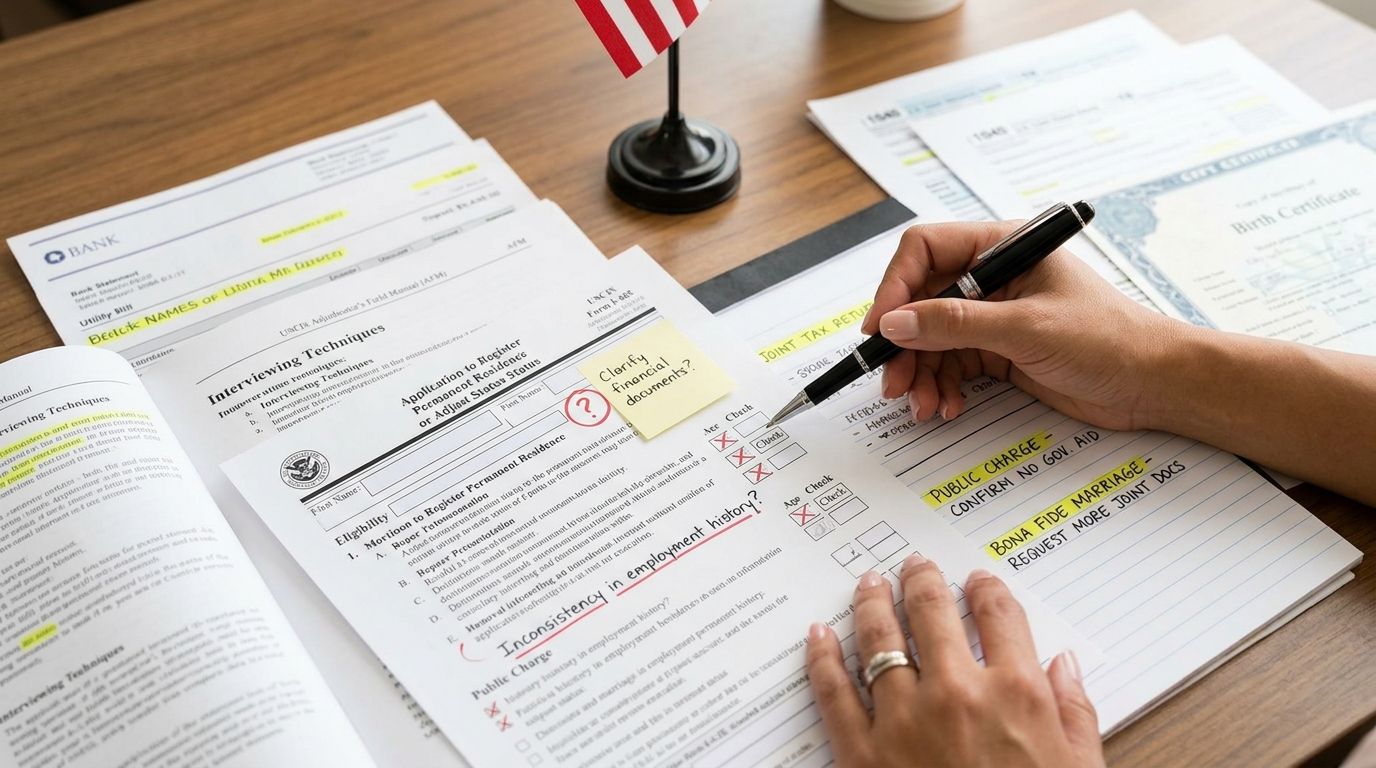
For someone filing now, this means the case needs to be prepared to directly address the overstay. Strong documentation of positive factors, the length and legitimacy of the marriage, family ties, employment history, tax returns, community roots, any evidence of good moral character. The overstay is not disqualifying in most adjustment cases. How it is presented and what surrounds it in the record matters more than it did a year ago.
The Situations I See Most Often
Entered legally, married a U.S. citizen, has been out of status for some period of time
This is the most common situation and generally the one with the most options. Adjustment of status is typically available if the legal entry is documented. The length of the overstay matters less here because the person is not leaving to complete the process. The new memo means the case needs to be put together carefully, but a well-prepared application with strong supporting documentation is still approvable. This is not the time to file a bare-bones I-485 and hope for the best.
Entered without inspection, married a U.S. citizen
Without a legal entry, the standard adjustment pathway is generally closed. Consular processing means leaving, which means the unlawful presence bars need to be dealt with first through the provisional waiver process. These cases require demonstrating extreme hardship to a qualifying family member. The bar is genuinely high, but these cases do get approved when the hardship is properly documented and the argument is built correctly.
Came in on a student or work visa, let status lapse, has been here for years
Student visa holders are a category where people frequently do not know their status has ended. F-1 students admitted for duration of status rather than a specific date sometimes miss when their authorized period expired, especially if they stopped attending school or dropped below full-time enrollment. A status violation can start the unlawful presence clock without any formal notice. A future application denial, not an official warning, can be what formally triggers it in some situations. Work visa holders who had gaps between employers or petitions are in similar territory.
In all of these situations the calculation depends on specific facts. When the visa was issued. When it expired or when the violation occurred. What has happened since. Whether any applications have been filed. These details determine what the actual options are.
What Not to Do
Do not leave the country before talking to an immigration attorney. If the unlawful presence bars have attached, departure triggers them. Once that happens at the border, the options that existed before departure are no longer on the table.
Do not file anything with USCIS without understanding how your overstay history will appear in the application and how it will be evaluated. Under the current discretionary framework, a poorly prepared application carries more risk than it did before.
Do not assume a pending application covers everything. It stops the clock going forward. It does not change what is already in the record.
And do not keep waiting without a reason. The positive factors that USCIS weighs under the new memo, length of residence, family ties, employment, community, are things that can be documented and presented. Every year of continued presence without formal status is a year that could have been part of a properly filed case instead.
The Bottom Line
An overstay does not automatically close the door to a green card. But marriage alone does not open it either. The entry, the length of the overstay, the family situation, and the current policy environment all factor into what the actual path looks like.
The families I can help most are the ones who come in before they do anything, before they travel, before they file, before they make a decision based on what worked for someone else. A consultation is not a commitment. It is just an honest look at where things actually stand.
About the Author
Arzoo R. Connor is a licensed immigration and estate planning attorney and the founding attorney of ARC Legal Services in Fort Worth, Texas. She came to this country as a child and has spent her career representing immigrant families in family-based immigration, adjustment of status, removal defense, naturalization, and estate planning. To schedule a consultation, call 469-200-0158.