



Can ICE Arrest Me If I Have a Pending U Visa, T Visa, or VAWA Case? What the ICWC v. Noem Ruling Actually Means
If you have a pending U visa, T visa, or VAWA application, a federal court ruled on May 20, 2026 that ICE cannot routinely arrest, detain, or deport you while your case is pending.
The ruling came in a case called ICWC v. Noem, and it restored protections that had been in place for over thirty years before the Trump administration reversed them in January 2025.
I have clients with pending cases in all three of these categories. I want to explain what this ruling actually does, what it does not do, and what it means for you if you are sitting in Fort Worth right now wondering whether it is safe to go to your USCIS appointment.
What changed in January 2025 and why it mattered
For over three decades, ICE operated under a practice of not pursuing enforcement against people with pending U visa, T visa, or VAWA applications. This was not a loophole. Congress created these programs specifically to encourage crime victims to come forward, cooperate with law enforcement, and seek protection. A U visa only works if the person who reported a crime and filed for protection can actually go to their USCIS appointments without being arrested on the way in.
In January 2025, the Trump administration issued guidance known as the Vitello Memo that reversed this. Under the new policy, having a pending application no longer protected you from arrest, detention, or deportation. ICE could treat your case as though it did not exist.
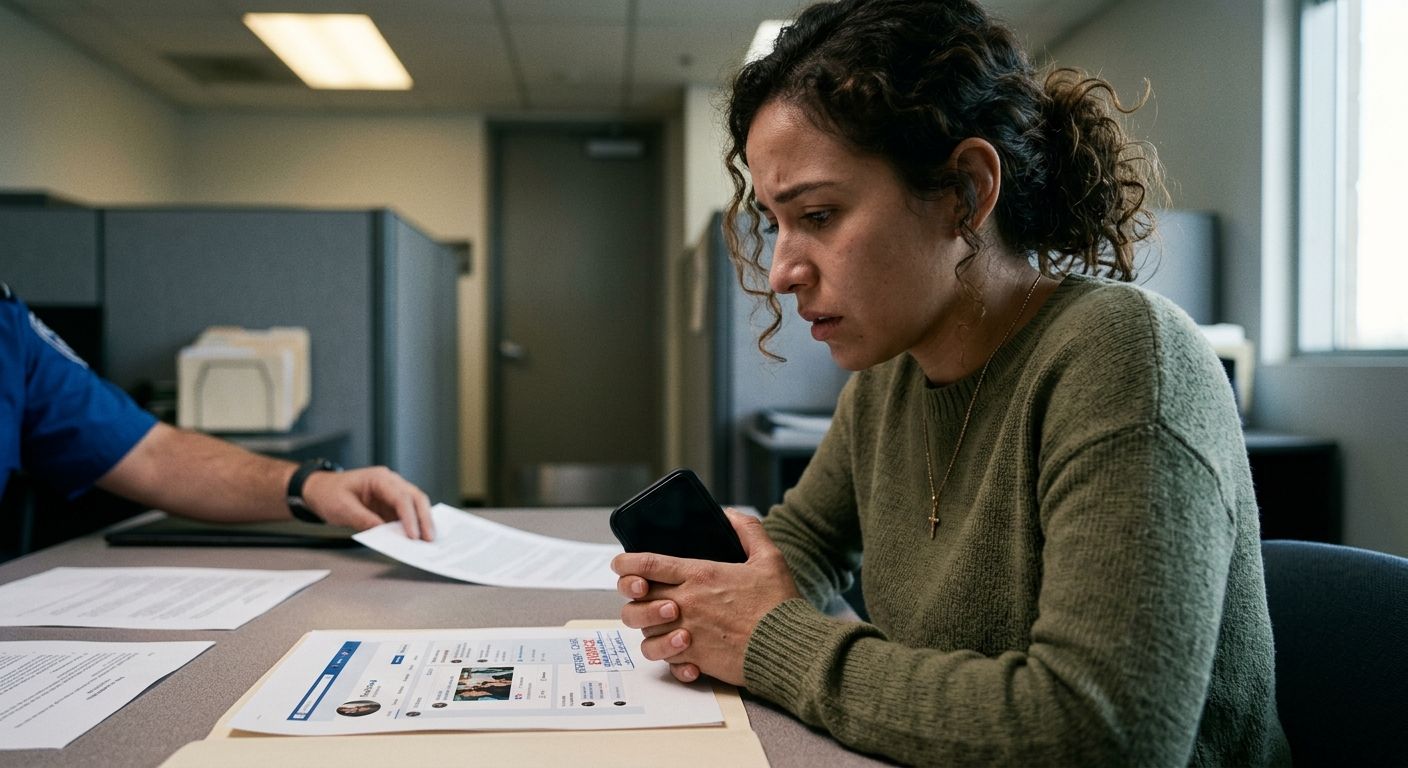
One of the named plaintiffs in the ICWC lawsuit is a woman named Carmen. She survived domestic violence, reported her husband, and filed for a U visa. ICE detained her and her young child at a scheduled check-in and deported them. When she landed in her home country, her abuser was waiting at the airport. The court ordered the government to facilitate her return to the United States.
That is the policy the court blocked.
What the court actually did
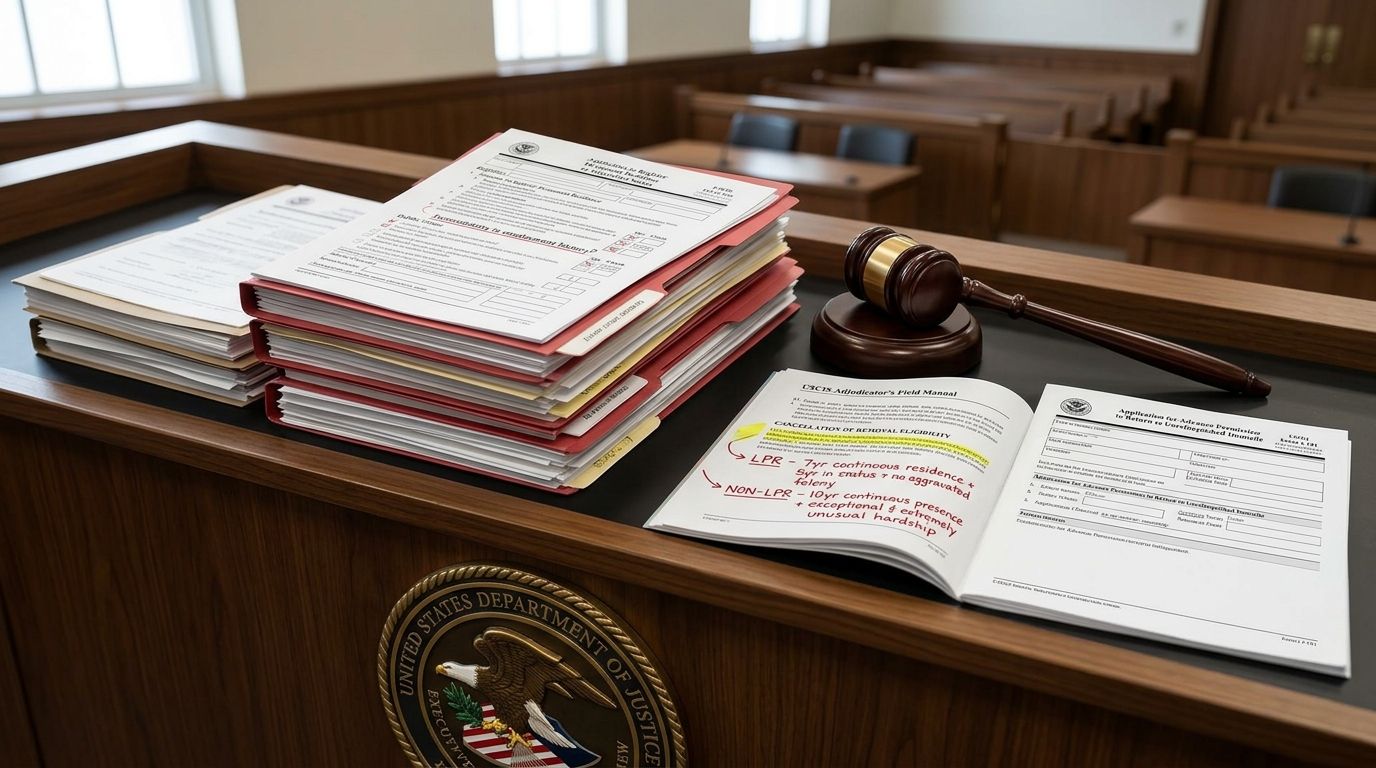
The U.S. District Court for the Central District of California issued a preliminary injunction and certified three nationwide classes of people protected by the ruling. The first class covers people with pending U visa, T visa, or VAWA self-petitions who ICE detains or attempts to detain for civil immigration enforcement. The second covers people who were granted deferred action based on a pending U or T visa petition and who ICE detained or removed without notice or a hearing. The third covers people with a pending U or T visa petition who have been detained and requested a stay of removal.
The court restored the victim-centered enforcement approach that existed before January 2025, directing ICE to return to the framework that disfavors detention and removal of survivors with pending cases. It also ordered the government to facilitate the return of named plaintiffs who were unlawfully deported while this case was pending.
What this ruling does not do
This is a preliminary injunction, not a final ruling. The case is still ongoing and the government may appeal. Courts can modify injunctions. The legal landscape can shift again. If you have a pending case and you have an upcoming ICE check-in, court date, or biometrics appointment in the DFW area or anywhere else, please speak with an immigration attorney before you go. This ruling changes your position meaningfully but it does not eliminate all risk in every situation.
The difference between a U visa, T visa, and VAWA petition
I get asked about the difference between these three constantly, so let me explain them plainly.
The U visa is for noncitizens who have been victims of certain serious crimes and who have cooperated or are willing to cooperate with law enforcement investigating or prosecuting that crime. The list of qualifying crimes includes assault, domestic violence, sexual assault, trafficking, kidnapping, and others. You do not have to have been the person who called 911. You have to have been harmed and be willing to help.
The T visa is specifically for survivors of human trafficking, both sex trafficking and labor trafficking. It requires that you comply with reasonable law enforcement requests and that you would face extreme hardship if removed from the United States. Given what trafficking survivors have been through, this standard is generally met.
VAWA, which stands for the Violence Against Women Act, allows noncitizens who have been abused by a US citizen or lawful permanent resident spouse, parent, or adult child to file for immigration protection on their own. Without the abuser knowing. Without their cooperation. Without their involvement in any way. It was built specifically so that the threat of deportation could never be used to trap someone in an abusive relationship.
All three programs are protected under this ruling. All three are cases I handle at this office.
What to do based on where your case stands
If you have a pending U visa, T visa, or VAWA petition and you are in removal proceedings or have an upcoming enforcement encounter, contact an immigration attorney before you do anything. The class certification in this case means you have legal protections, but those protections need to be properly invoked and documented in your specific case. They do not apply automatically without anyone knowing about them.
If you were detained or deported while your application was pending, contact an attorney immediately. The court ordered the government to address those situations and there may be a path to return.
If you have been thinking about filing but have been afraid to because of what might happen, this ruling does not erase every risk. But these programs exist because you came forward. The court has now said the government cannot use that against you. You should not be making this decision alone.
Our office handles U visa, T visa, and VAWA cases. A consultation is $50. Call us.
Attorney Arzoo Connor
ARC Legal Services | Fort Worth, TX | Hablamos Español
469-200-0158 | www.arclawoffice.com
This post is for general informational purposes only and is not legal advice. Immigration law is complex and every case is different. Please consult a qualified attorney about your individual situation.