



What Happens When Someone Who Is Not a Lawyer Files Your Immigration Case
They Said They Could Help. Then the USCIS Letter Arrived.
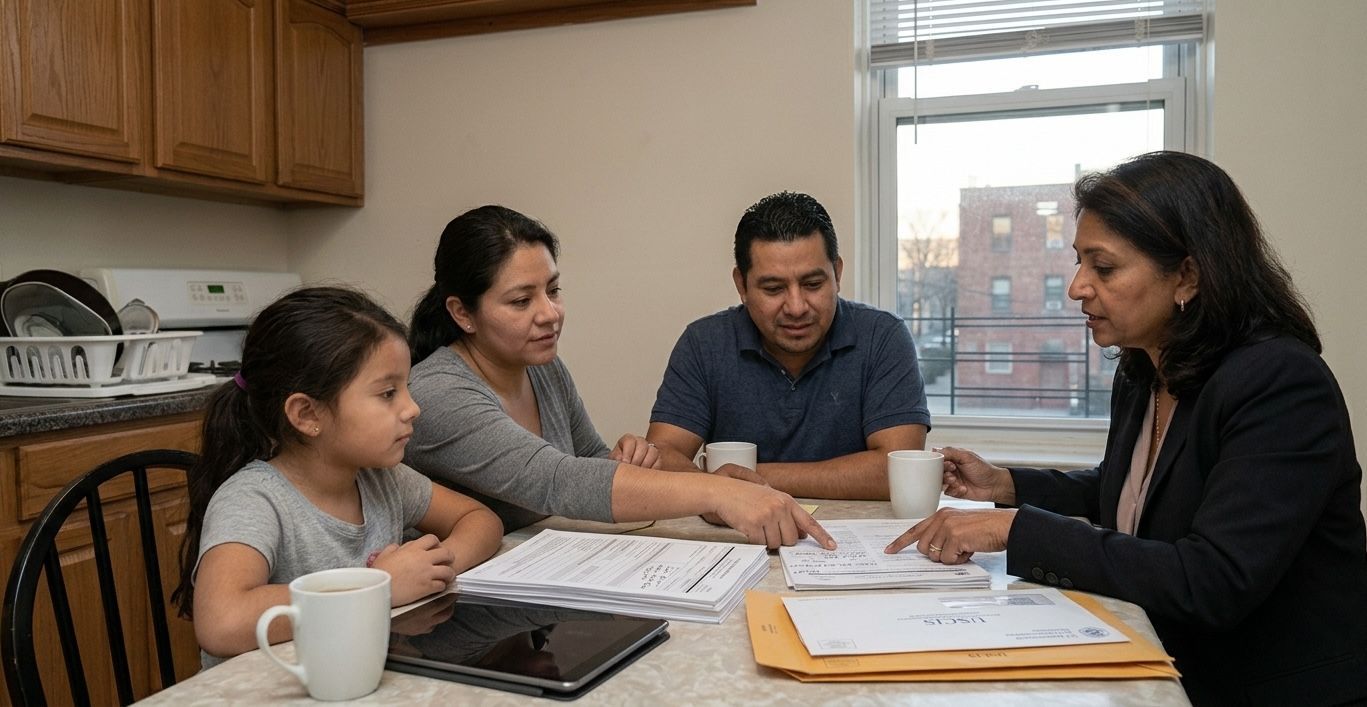
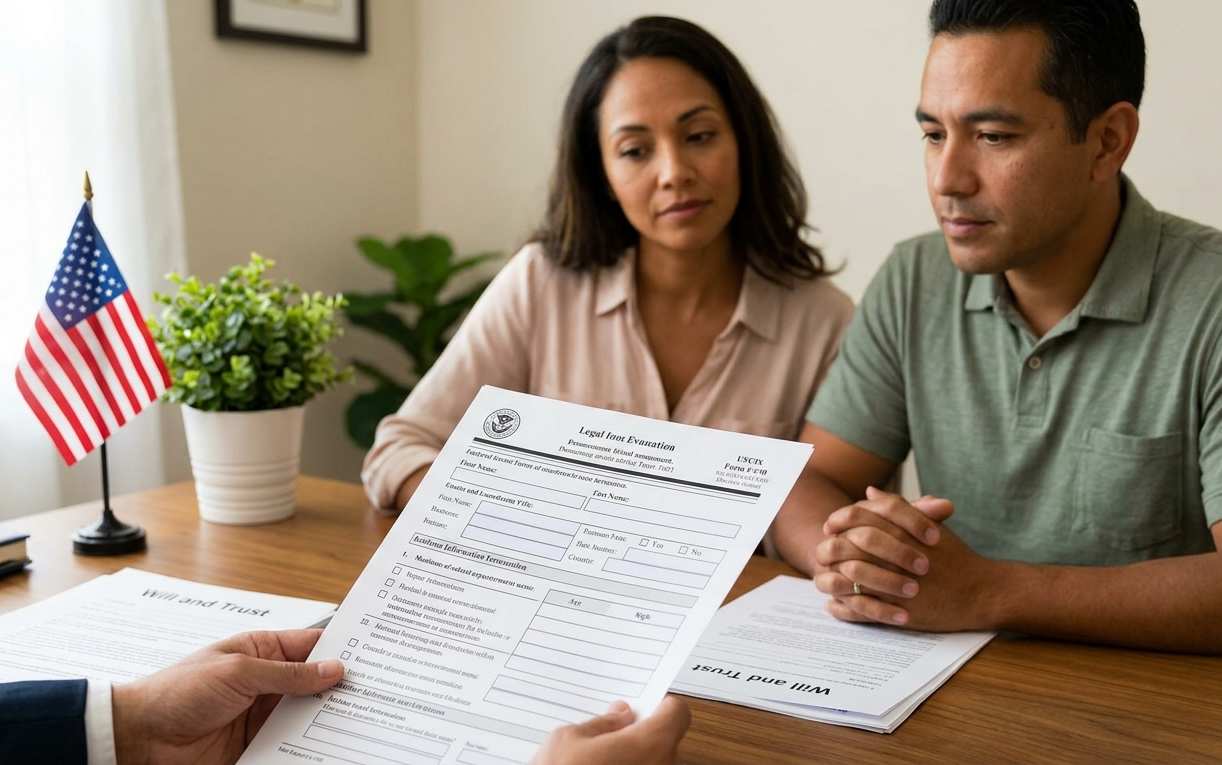
Someone walks into my office holding a letter from USCIS.
Sometimes it is a Request for Evidence. Sometimes it is a Notice of Intent to Deny. Sometimes it is worse — a notice that their case has been referred to immigration court.
The first thing I do is ask to see the original application.
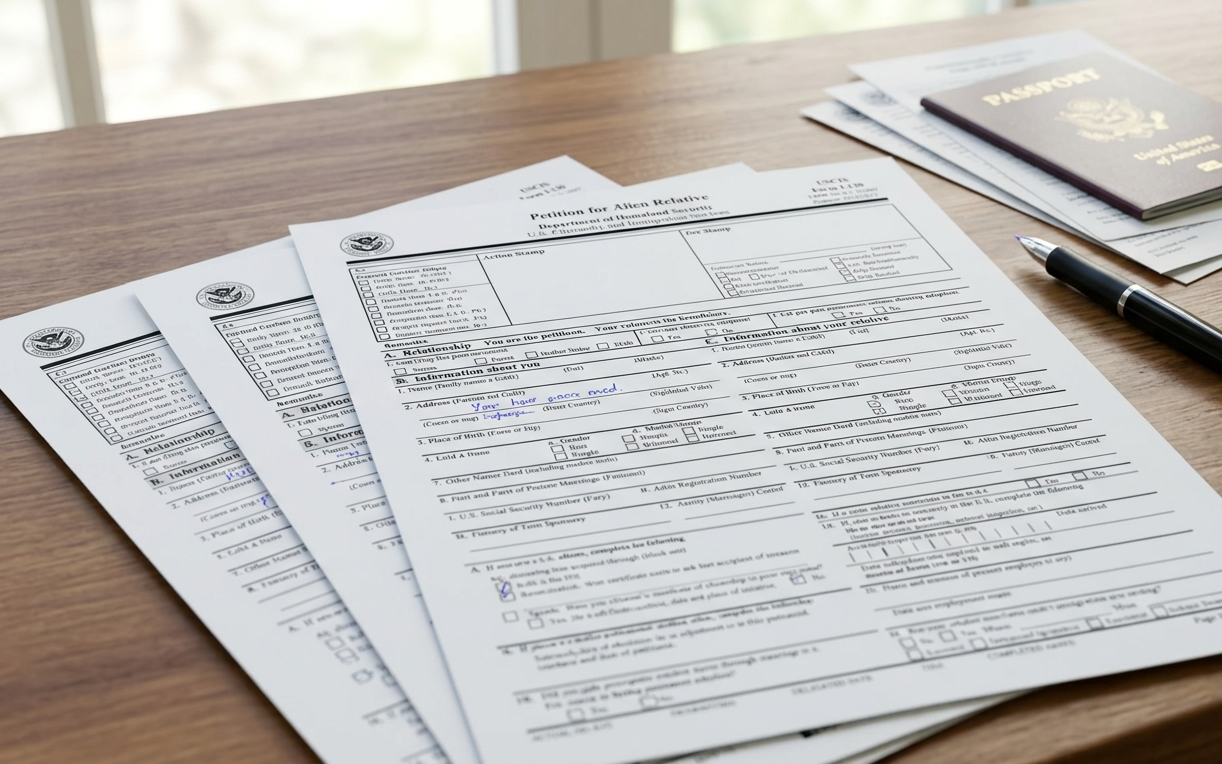
And that is usually where I find the problem.
Wrong petitioner listed. Fields left blank. The wrong visa category. Documents that were missing entirely. In one case that I will not forget, someone else's information was on the form. Not my client's. Someone else's.
Every one of those cases was filed by someone who was not a licensed immigration attorney.
A notario. An independent paralegal. A family friend who went through the process years ago and wanted to help. Someone from the community who charged a few hundred dollars and said they knew what they were doing.
I understand why people make that choice. I am not here to judge it. Cost is real. And when someone you know says they can help, it is natural to believe them.
But I have sat across from enough families to know what that choice can cost. And I think people deserve to understand what they are actually risking before they hand their case to someone who is not licensed to handle it.
What a Notario Is in the United States Versus What People Think
In Mexico and much of Latin America, a notario publico is a highly credentialed legal professional. They have law degrees. They pass rigorous exams. They are authorized to represent people before the government. The title carries real weight.
In the United States, a notary public is something completely different. They are authorized to witness signatures. That is it. They have no legal training. They cannot give legal advice. They cannot tell you which immigration form applies to your situation, whether you qualify for a benefit, or what your options are.
The confusion between those two things has cost families everything.
People see "notario" on a sign, they hear the word in their language, and they assume they are talking to someone with legal authority. That assumption is exactly what some people count on.
USCIS is direct about this on their own website: only licensed attorneys and accredited representatives are authorized to give immigration legal advice. Nobody else.
What About Paralegals and Family Members Who Have Done It Themselves?
An independent paralegal who is not working under the supervision of a licensed attorney is in the same position as a notario when it comes to immigration law. They can fill out a form if you tell them exactly what to write. They cannot advise you on your case. Under Texas law, doing so for compensation is the unauthorized practice of law.
The family member or friend situation is different only in that money usually does not change hands. The legal risk is the same. Someone who went through the immigration process successfully knows what happened in their case. They do not know immigration law. They do not know what is different about your situation. And there is no version of the story where they are accountable if something goes wrong.
Why Your Case Is Not the Same as Someone Else's
This is the thing people do not find out until it is too late.
Two people can look identical on paper and have completely different cases.
The country you were born in determines your priority date and how long you may wait for a visa number to become available. Whether you entered the United States with a visa or without inspection changes which forms apply to you and whether certain paths are open at all. A prior removal order, even one you did not know was entered against you, changes everything. A trip outside the country at the wrong time can restart a clock that took years to build. A criminal charge that was dismissed in Texas state court may still be fully visible to USCIS under federal law.
None of that shows up in your cousin's story. Because your cousin does not know those things were relevant to their case. It worked for them because their specific combination of facts allowed it to work. That tells you almost nothing about yours.
A licensed immigration attorney reviews your actual facts before anything is filed. That review is not a formality. It is where problems get caught before USCIS sees them.
What Those Letters From USCIS Actually Mean
If you have already received a letter and you are not sure what it means, here is a plain explanation.
A Request for Evidence, or RFE, means USCIS reviewed what was filed and something did not meet their standard. They are giving you one opportunity to fix it. That opportunity has a deadline, usually 87 days, and in some cases only 30 days if urgent. If you miss that deadline, USCIS closes the case. The filing fee does not come back. The time you waited does not come back. And because your circumstances may have changed, some options may not come back either.
Responding to an RFE is not just about sending more documents. It is about building a legal argument that directly addresses what USCIS said they were not satisfied with. Sending the wrong documents, or documents that do not answer the specific concern in the letter, can result in a denial even when the underlying case was strong. I have seen this happen.
A Notice of Intent to Deny means USCIS is preparing to deny your case and is giving you a final chance to respond before they do. This is a more serious letter than an RFE and the response has to be treated accordingly.
A Notice to Appear means your case has been referred to immigration court and you are now in removal proceedings. This is the most serious outcome. It requires an immigration attorney immediately.
When You Get That Letter, the Clock Is Already Running
One of the worst things I see is someone who received a notice weeks ago and is just now calling because they finally worked up the courage or found the right number.
I understand why it happens. The letter is scary. The situation feels overwhelming. People freeze.
But immigration deadlines do not pause for that.
A response to a Request for Evidence is typically due within 87 days. A Notice of Intent to Deny can carry a deadline as short as 30 days. A Notice to Appear puts you in removal proceedings and starts a series of court deadlines that run on the court's schedule, not yours.
Miss the window on an RFE and USCIS closes the case. Miss a court deadline and a removal order can be entered without you ever having had the chance to respond.
The date that matters is the date on that document. Not the date you found an attorney. Not the date you finally understood what the letter meant. The date it was issued is when the clock started.
If you are holding a notice from USCIS or an immigration court right now and you are not sure what it means or what you need to do, call an attorney today. Bring the letter. The first thing we do is look at that deadline and make sure nothing is lost before we have even started.
The Accountability Gap Nobody Talks About
When you hire a licensed immigration attorney, you are hiring someone who has passed a bar exam, is licensed by the state, and is bound by professional rules of conduct.
If I give you bad advice, if I neglect your case, if I file something incorrectly and it causes you harm, you have recourse. You can file a complaint with the State Bar of Texas. You can pursue a malpractice claim. There is a formal accountability system that exists specifically because this work matters and people can be hurt when it goes wrong.
When you hire a notario or unlicensed paralegal, that system does not exist for you. If they file the wrong form, submit incorrect information, or take your money and stop returning calls, you have very limited options. A police report if it rises to fraud. Maybe small claims court. But USCIS does not care who filed your case incorrectly. They care what was filed and what is in the record.
I have had clients come in after being completely ghosted. They paid someone a significant amount of money, handed over their original documents, and then the phone number stopped working. By the time they found me, USCIS had been sending notices to an address that was not even theirs.
The record USCIS has of your case stays with you. A wrong filing does not get wiped clean because someone else caused it.
What It Actually Costs to Fix a Case That Was Filed Wrong
The cost argument for using a non-attorney usually comes down to a few hundred dollars saved upfront. I understand that is real money.
Here is what the other side of that math looks like.
When someone comes to me after a notario or paralegal made mistakes, we are often starting from a more complicated position than if we had started from scratch. Depending on what was filed and what was said in those forms, we may be working around a record that now exists with USCIS. Some cases can be fixed. Some cannot be fixed at all because what was filed created a bar or triggered a consequence that is permanent.
The legal fees to respond to an RFE, to try to reopen a denied case, or to defend someone in removal proceedings are not small. Neither is the cost in time, in stress, or in what a family loses while a case is tangled up that should have been clean.
The people who can least afford to redo this process are the same people most likely to be targeted by someone charging discount rates for work they are not qualified to do.
How to Verify Who You Are Hiring
Before you pay anyone to help with an immigration matter, confirm two things.
First, ask whether they are a licensed attorney. If yes, ask for their bar number and what state they are licensed in. You can verify any Texas attorney at texasbar.com. Attorneys who are licensed are searchable. If someone will not give you a bar number or the search does not return a result, they are not a licensed attorney.
Second, ask whether they are an accredited representative of a Department of Justice recognized organization. This is a separate category from licensed attorneys but these representatives are also authorized to provide immigration legal advice. You can verify recognized organizations on the DOJ website.
If neither of those applies to the person you are talking to, they are not legally authorized to advise you on your immigration case, regardless of what they call themselves.
If You Already Have a Letter
If you have a letter from USCIS and you are not sure what it means, or if someone filed something on your behalf and you are worried it was not done correctly, call us.
The deadline on that letter is real. The time between now and that deadline is the window you have to work with.
We handle these calls regularly. A consultation does not commit you to anything. It gives you the actual information about where your case stands so you can make a decision from there.
About the Author
Arzoo R. Connor is a licensed immigration and estate planning attorney and the founding attorney of ARC Legal Services in Fort Worth, Texas. She came to this country as a child and has spent her career representing immigrant families in family-based immigration, adjustment of status, naturalization, and estate planning. She serves clients across the DFW area and beyond.