




What I Tell My Clients Before Something Happens
Arzoo Connor • April 9, 2026
A practical guide to emergency preparedness from an immigration attorney who has been through the process herself
I don’t walk my clients through emergency preparedness to scare them. I do it because the families who have a plan make better decisions when something actually happens. And right now, not having a plan is not a neutral choice.
Panic is the enemy of good decisions. So let’s go through some things you can do right now, most of them free, most of them taking less than an hour, that could make an enormous difference if ICE shows up at your door, if someone in your family gets detained, or if your situation changes suddenly.
This is not legal advice specific to your case. But it is what I walk my clients through, and if you work with this community in any capacity, please share it.
Know the difference between a warrant, and actually know it
There are two types of warrants: an ICE administrative warrant and a judicial warrant signed by a judge.
An administrative warrant does not give anyone the right to enter your home. Only a judge-signed warrant does.
You can ask to see it through a closed window or a closed door before you open anything. You do not have to open the door to find out. Ask them to hold it up. A judicial warrant will be signed by a judge and list your address specifically. An administrative warrant will not.
This one piece of knowledge has changed outcomes for people.
Do not sign anything on the spot
If someone in your family is detained, ICE may present paperwork. One of the most common documents is a voluntary departure form. It sounds harmless. It is not harmless.
Signing can waive rights you did not even know you had. Once you have signed, it is very hard to undo, and in some cases you cannot undo it at all.
You have the right to speak with an attorney before you sign anything. Say nothing, sign nothing, until you have spoken to someone who can explain what you are agreeing to.
Silence is not the same as lying, and lying is a whole separate problem
You have the right to remain silent. You do not have to answer questions about where you were born, your immigration status, or anything else. You can say, “I want to speak with an attorney,” and leave it there.
But I want to be very clear about this: lying to a federal officer creates a separate legal problem on top of your immigration situation. It can be charged as a federal crime. It gives them something to use against you that did not exist before.
Stay silent if you need to. But do not say something false.
Know your A-number and write it down
Your Alien Registration Number is the number that identifies you in the immigration system. If someone in your family is detained, that number is what your attorney needs to locate them, check their status, and file anything on their behalf.
Do not assume you will have access to your documents when you need that number. Write it down. Put it on that physical card in your wallet. Make sure your emergency contact has it too.
In Texas, you can record. Know the law where you live.
Texas is a one-party consent state. That means you can record a law enforcement interaction without the other person’s consent, as long as you are a party to it.
If it is safe to do so, that recording can matter later. It can corroborate what happened. It can counter a false report.
Check the recording laws in your specific state before you need to know them.
Your rights are different depending on where you are
At home, you have stronger protections. You do not have to open the door without a valid judicial warrant.
On the street or in a public place, the rules are different. You still have the right to remain silent and the right to refuse a search of your belongings, but you cannot walk away if an officer says you are being detained. Ask clearly: “Am I being detained or am I free to go?” If you are free to go, calmly leave.
In a car, if you are stopped, you are required to provide your driver’s license, registration, and proof of insurance. You are not required to answer questions about your immigration status. Passengers are not required to show ID in most states, though Texas has some specific rules around this, so it is worth knowing your situation in advance.
Knowing where you are changes what applies to you.
Consular contact: know when it helps and when it does not
Under the Vienna Convention on Consular Relations, US authorities are required to inform a detained foreign national of their right to contact their home country’s consulate. For most nationalities this means you have to ask for it. For nationals of certain countries that have bilateral agreements with the US, notification to the consulate is mandatory regardless of whether the person requests it. If you are detained and want consular contact, say so clearly: “I want to contact my consulate.”
That said, this is not the right move for everyone, and I want to be direct about that.
If you are an asylum seeker or a refugee, or if you fled your home country because of danger, contacting your home government’s consulate can put you and your family at risk. Your home country does not need to know where you are or that you have been detained. In that situation, do not request consular contact. Tell your attorney first and let them advise you.
It is also worth knowing that enforcement of this right is inconsistent. Courts have generally not allowed violations of consular notification rules to suppress evidence or reverse convictions, so the practical remedy when it is ignored is limited. That does not mean you should not assert it if it applies to your situation. It means you should not count on it as a primary protection. It is one tool, not a guaranteed safeguard.
If you are unsure whether consular contact would help or hurt your specific situation, that is exactly the kind of question to bring to an immigration attorney before something happens.
Have a power of attorney prepared before you need one
If a parent is detained and cannot manage their own affairs, someone needs legal authority to act on their behalf. Pay rent. Access bank accounts. Make decisions for the kids.
A power of attorney gives a trusted person that authority. It has to be prepared and signed before something happens. You cannot do it from a detention facility after the fact.
Talk to an attorney about getting this set up. It is not expensive, and it gives your family options.
The documents need to be somewhere other than your house
If someone is detained and taken from the home, and the documents are inside the home, getting to those documents becomes a problem for the people trying to help you.
Keep copies of your tax returns, lease agreements, birth certificates, your children’s school records somewhere outside your home that a trusted person can physically reach. A family member’s house. A safe deposit box. Somewhere.
The documents cannot help you if no one can get to them.
Make a plan for your kids, and get the right documents in place
US citizen children cannot be deported. But if a parent is detained, someone needs to be legally authorized to take care of them. A verbal agreement with a grandparent or a family friend means nothing in the eyes of a school, a doctor, or a court. Without the right paperwork in place, a well-meaning family member has zero legal authority, and a child can end up in foster care while their parent is fighting their case from a detention facility. That is the outcome everyone wants to avoid, and it is entirely preventable.
There are three documents worth knowing about:
- Standby Guardianship Designation
is the most important one for this specific situation. It names a guardian for your children that takes effect automatically when a triggering event happens, like detention, deportation, or incapacitation. The parent does not have to be deceased for it to kick in. In Texas this is governed under the Texas Estates Code, and it is specifically designed for situations where a parent becomes suddenly unavailable. This is the document that keeps children out of the child welfare system while a parent’s case is being resolved.
- Parental Power of Attorney for Child Care
is more immediately usable and does not require going through a court. You sign it now, and it authorizes the person you name to make medical decisions, enroll a child in school, consent to treatment, and handle day-to-day decisions. It does not wait for a triggering event. It is active the moment it is signed. In Texas this falls under the Family Code.
- Caregiver Authorization Affidavit
is a simpler option if a non-parent relative, a grandparent, aunt, or uncle, needs authority to handle day-to-day decisions for a child without going through a full legal process. Texas has a version of this under the Family Code as well.
These are not complicated documents and they are not expensive to prepare. But they have to be done before something happens. That is the part people keep putting off, and it is the part that matters most.
Make sure your children’s school also has written pickup authorization on file, not just a verbal conversation with a teacher. On file. Updated whenever anything changes.
If your children are old enough, talk to them about what to do and who to call. Keep it calm. Keep it factual. A child who knows the plan is a child who can actually help when it counts.
A physical card in your wallet, not just your phone
Phones get taken. Phones die. Phones get locked.
Keep a physical card in your wallet with your attorney’s number and an emergency contact’s number. Old fashioned, but it works.
Turn on location sharing with one trusted person. If someone is picked up and cannot communicate, knowing their last location matters.
Come talk to someone before there is an emergency
A lot of people in this situation have never had anyone sit down and walk them through their options. Not because they did not care, but because no one ever took the time.
Come in and talk. Even if we cannot help you, we will tell you that directly and explain why. You deserve to understand where you stand before something forces the question.
Arzoo Connor is a licensed immigration and estate planning attorney and the founder of ARC Legal Services in the Dallas-Fort Worth area. She is a former JAG officer and an immigrant herself. Every person in her office has personally been through the immigration process.
If you have questions about your specific situation, call the office (469) 200-0158.
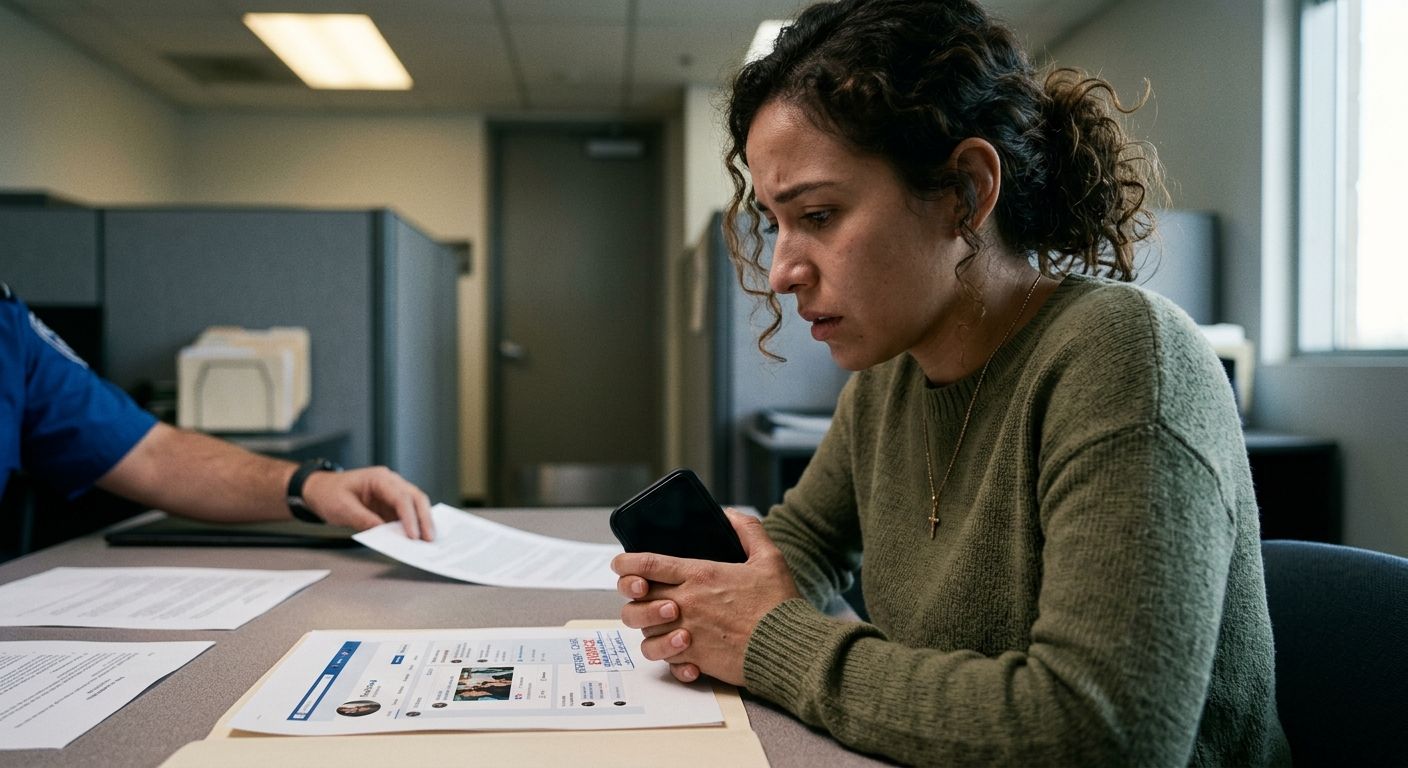
USCIS is using artificial intelligence to screen social media accounts as part of immigration case review
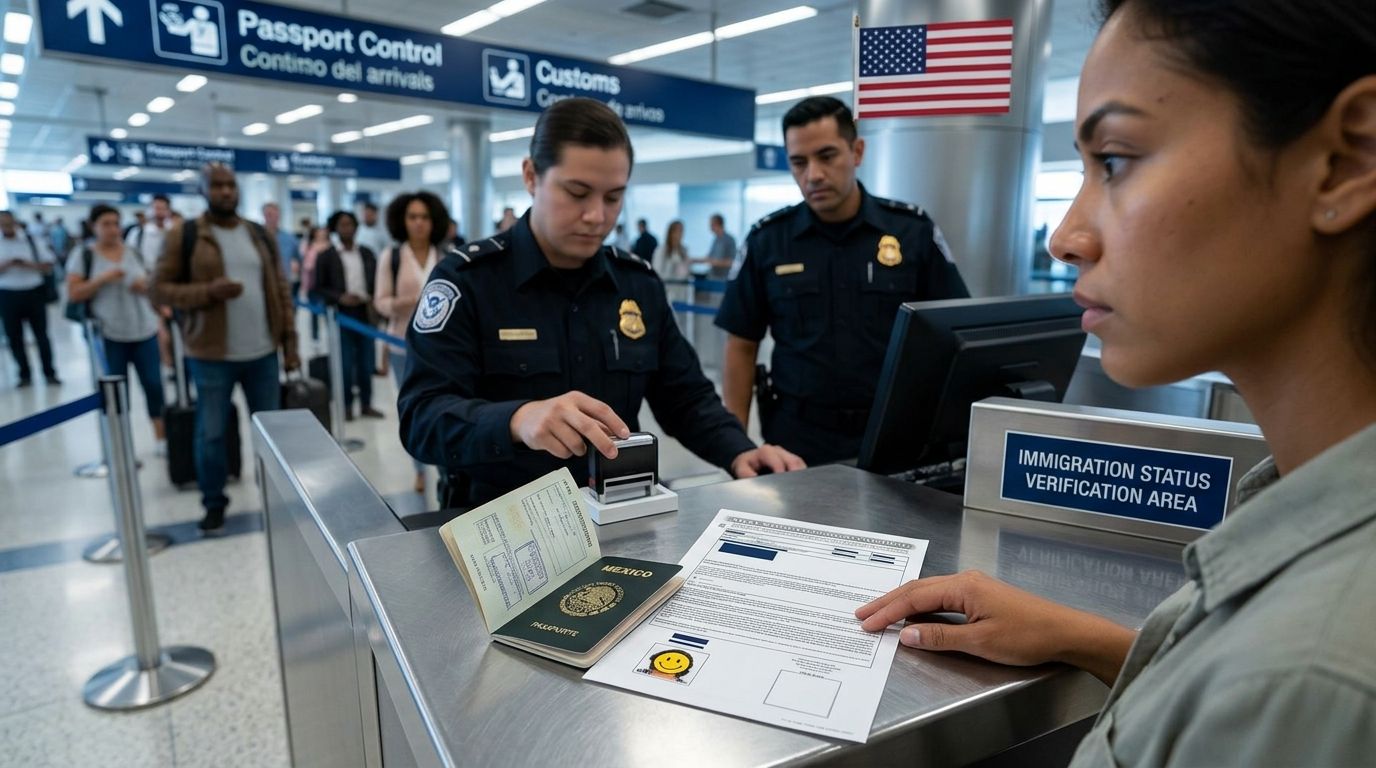
Airports in the United States are federal jurisdiction.
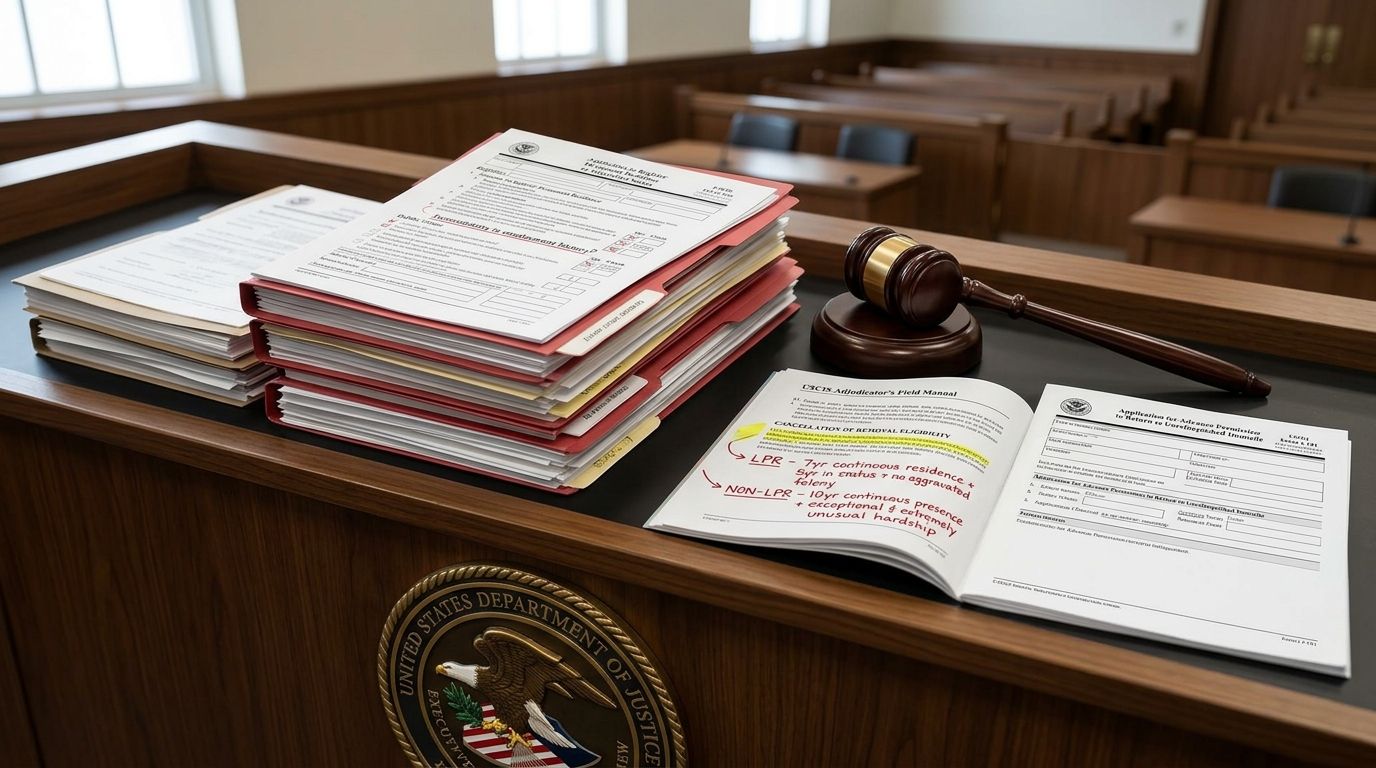
Cancellation of removal is a form of relief in immigration court that allows certain people who are in removal proceedings to avoid deportation and, in some cases, receive a green card.
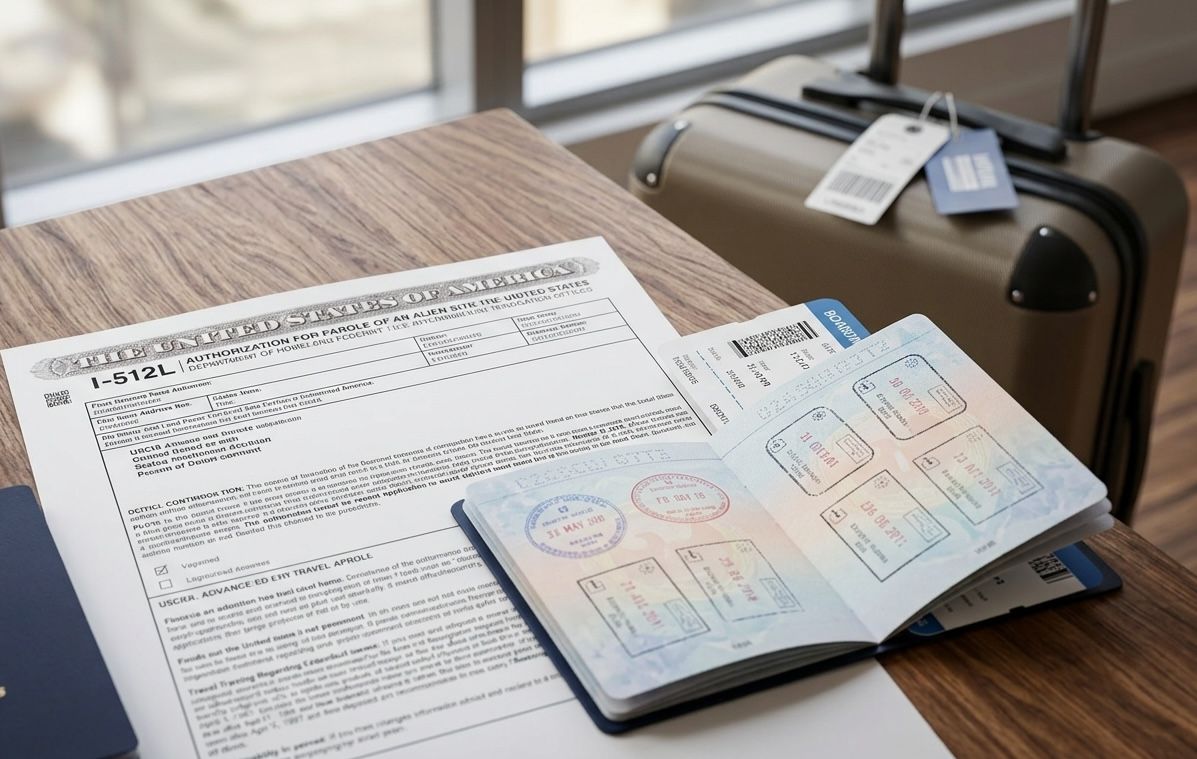
Advance parole is a travel document that allows certain noncitizens with pending adjustment of status applications to leave and reenter the United States without abandoning their case.
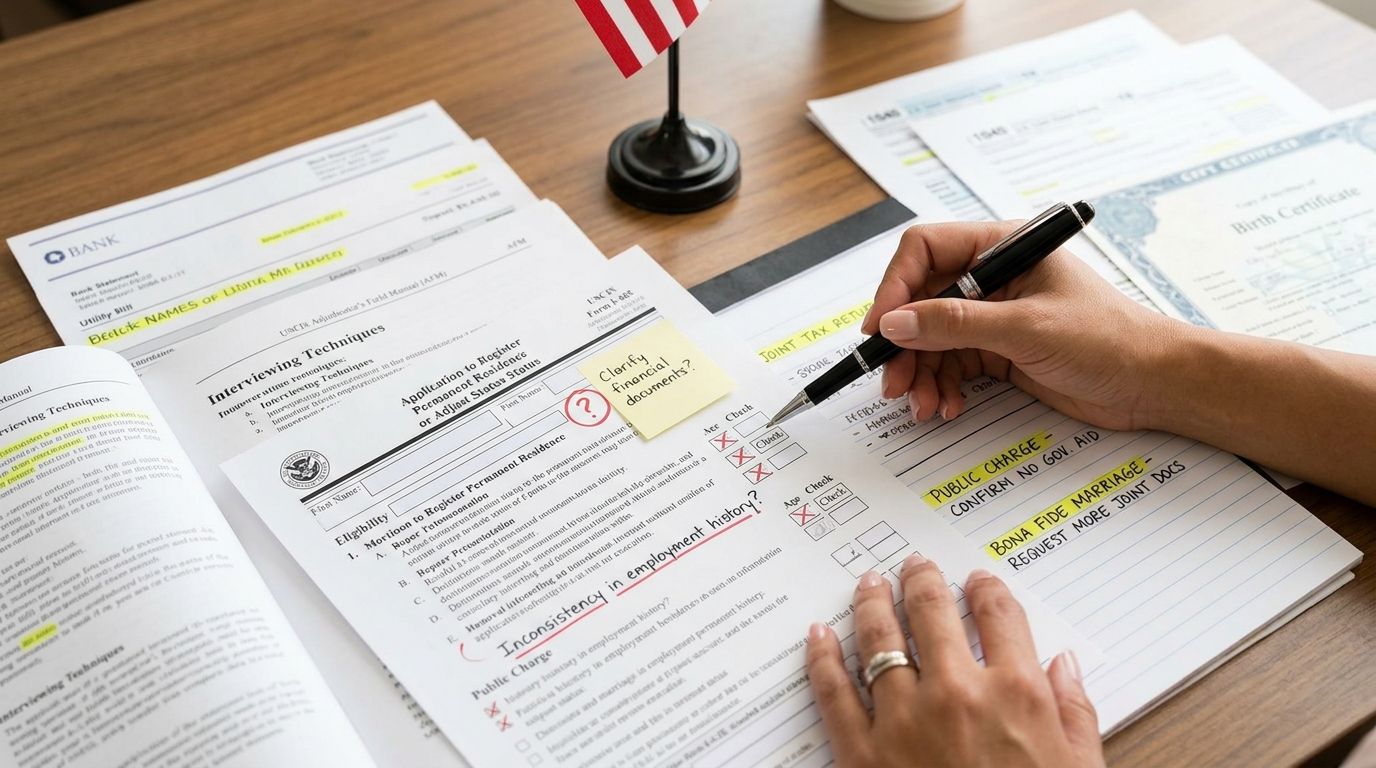
At adjustment of status interviews in 2026, USCIS officers are asking more detailed and more pointed questions than they were two years ago.

If you are eligible to apply for a green card through adjustment of status and you have been waiting, stop waiting. File before September. Here is what changed and why timing matters right now.
If you had a removal order or an administratively closed immigration court case and later received a green card, that court case is still an obstacle
Green card holders face different estate tax rules than US citizens, and the gap between what a citizen's family pays and what a noncitizen's family pays can be significant.
I-130 family petitions are currently taking close to two years to be approved by USCIS.
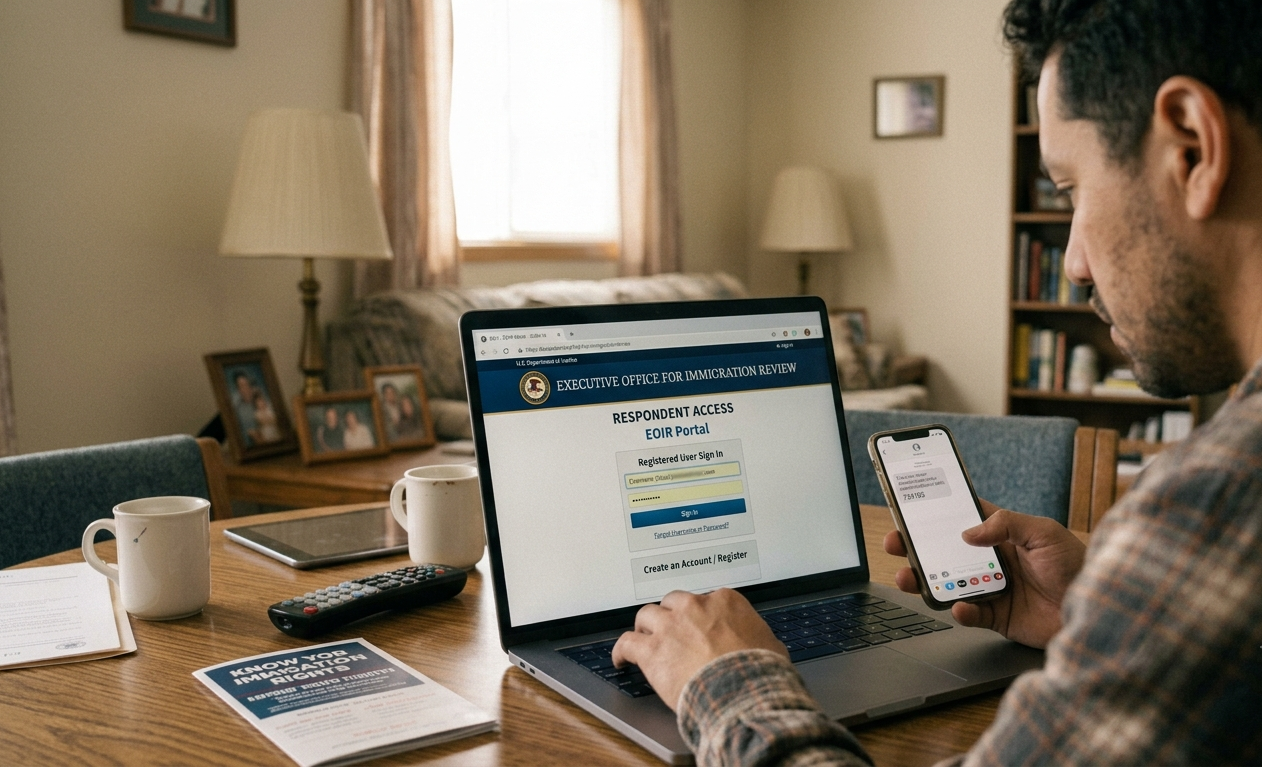
If you miss your immigration court hearing, the judge will almost certainly issue an in absentia order of removal. That means you are ordered deported without being present, without being heard, and often without knowing it happened until ICE comes to your door or you try to travel and find out at the border. This is one of the most common ways people lose cases that could have gone differently. I see it in Dallas immigration court regularly. Someone got a notice to appear, life got in the way, they thought they could reschedule, or they never received the notice at all because it went to an old address. The hearing happened without them. The order was issued. Now they are asking me what can be done. What an in absentia removal order means for your case An in absentia removal order is a formal order of deportation entered by an immigration judge when a respondent fails to appear. Once it is issued, you are subject to removal from the United States. If you have any pending applications or relief that you had not yet presented to the court, those matters are not automatically preserved. The order treats your failure to appear as a waiver of your right to be heard. The order also creates a ten-year bar on most forms of discretionary relief and makes it significantly harder to reopen your case, though not impossible in every situation. Can an in absentia order be reopened? Yes, in certain circumstances. You can file a motion to reopen an in absentia removal order if you can demonstrate that you did not receive proper notice of the hearing, or if you can show that exceptional circumstances caused your failure to appear. Exceptional circumstances under immigration law means something serious and beyond your control, not a scheduling conflict or a misunderstanding about the date. In immigration courts right now, judges are scrutinizing motions to reopen carefully. The standard for what qualifies as exceptional circumstances is applied strictly. A credible showing that notice was not properly received carries more weight than an argument that you forgot or were confused about the date. There are also deadlines. A motion to reopen based on lack of notice must generally be filed within a reasonable time. A motion based on exceptional circumstances must be filed within 180 days of the order. These deadlines matter and missing them closes additional doors. What if you never received notice of the hearing? Notice issues are more common than people realize. If the address on file with the immigration court was incorrect, if the notice was sent to an old address you had not updated, or if there is a documented problem with the notice that was sent, you may have grounds to reopen the case. Courts do look at whether notice was properly given before holding someone responsible for failing to appear. If you received a notice to appear that listed a time or date as TBD or to be determined, there is ongoing litigation about whether a subsequent notice sent to the address on file constitutes proper notice. This area of law has shifted in recent years and it is worth discussing with an attorney who practices in your specific immigration court. What to do right now if you have a missed hearing If you missed a hearing and you know an order may have been entered, do not wait to find out. Contact an immigration attorney as soon as possible. The sooner you act, the more options exist. Every day that passes after an in absentia order closes windows that may not reopen. If you are not sure whether an order was entered, you can check the status of your case on the EOIR website using your alien registration number. Your attorney can also pull the case record and determine what happened and when. If you have a hearing coming up and you are afraid to go, I understand that fear. But not going is almost always the worst outcome. An immigration judge who sees you show up, present your case, and engage with the process has the ability to exercise discretion. A judge who sees an empty chair does not. If you have a missed hearing or an upcoming court date you are not sure how to handle, call us. Attorney Arzoo Connor ARC Legal Services | Fort Worth, TX | Hablamos Español 469-200-0158 | www.arclawoffice.com This post is for general informational purposes only and is not legal advice. Immigration law is complex and every case is different. Please consult a qualified attorney about your individual situation.