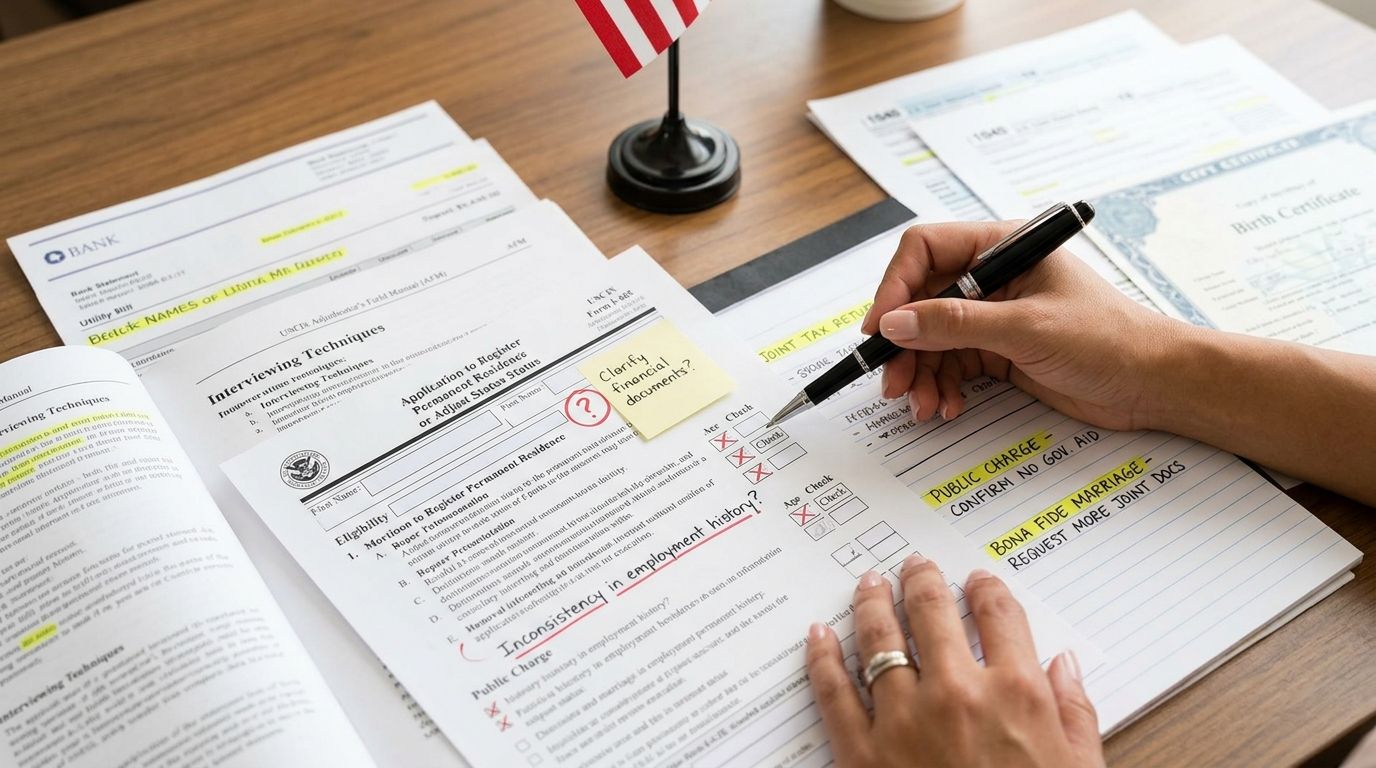


I-130 Processing Times Are Close to Two Years Right Now. If You Are in Removal Proceedings, That Is a Problem.

Arzoo Connor • July 30, 2026

I-130 family petitions are currently taking close to two years to be approved by USCIS.

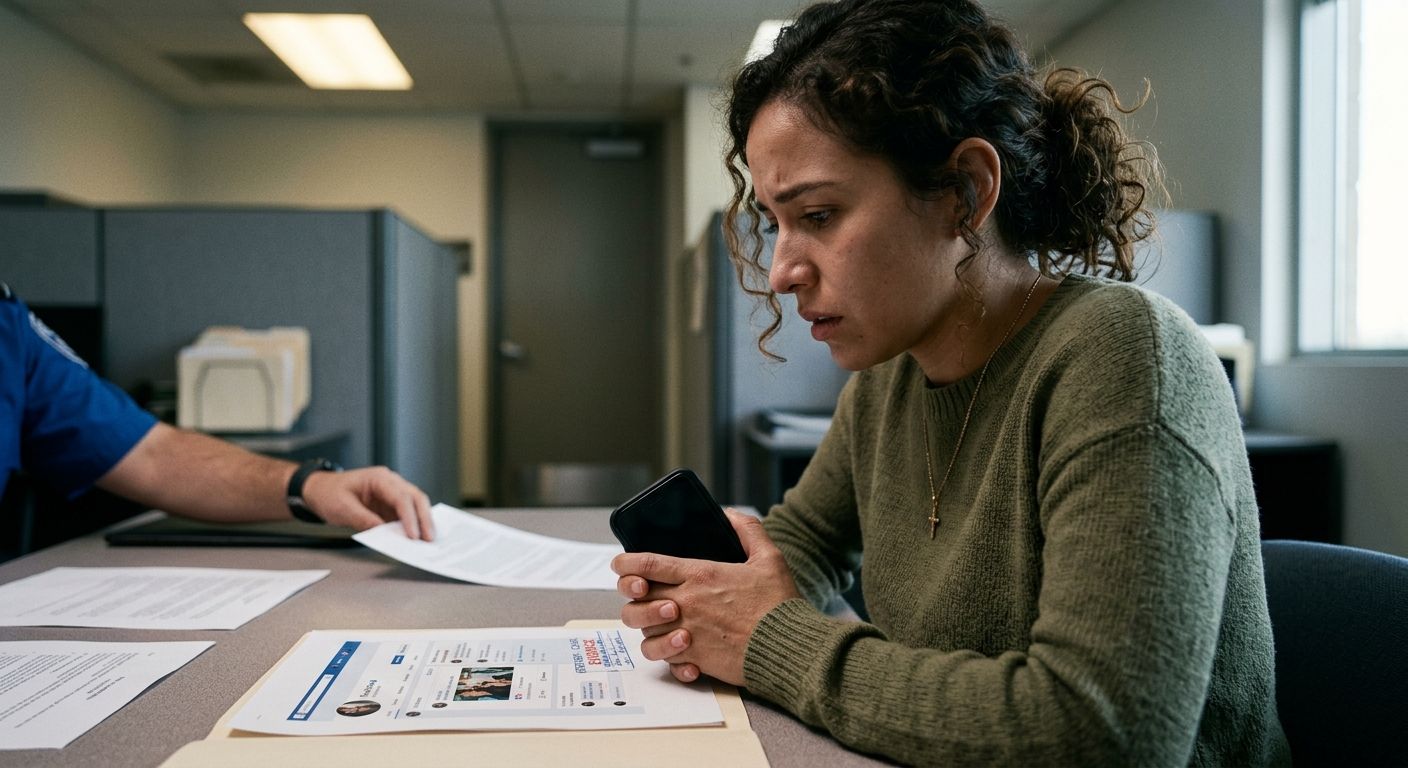
If you are in removal proceedings and an approved I-130 is your only path to relief, immigration judges in Texas are not granting continuances to wait for them. They are issuing removal orders. I watched this happen in back-to-back hearings in immigration court.


I want to explain exactly what is happening, who is affected, and why waiting is the most dangerous thing you can do right now if a family member has not yet filed for you.


What an I-130 is and who files one

An I-130 is a Petition for an Alien Relative. It is filed by a US citizen or lawful permanent resident to establish a qualifying family relationship with a noncitizen family member. A US citizen can file for a spouse, child, parent, or sibling. A lawful permanent resident can file for a spouse or unmarried child. The I-130 is not a green card application. It is the first step that makes a green card application eventually possible.


For many people in removal proceedings, the I-130 is the foundation of their entire immigration strategy. The plan is to get the petition approved, become eligible to apply for adjustment of status or consular processing, and present that path to the judge as a reason to continue the case rather than issue a removal order.


Why the current processing times are creating a crisis in immigration courts

The problem is the gap between how long I-130s take to get approved and how long immigration judges are willing to wait. USCIS processing times for I-130s have stretched to close to two years in many categories. At the same time, immigration courts are operating under significant pressure to move cases to completion. Judges are not granting continuances of one to two years to give families time to get their petitions approved.


What that means in practice is that people who have a qualifying family relationship, who have a US citizen spouse or child who filed for them, who are doing everything right, are being ordered removed because the petition has not yet been approved in time for the hearing. The relief exists. The path is real. But the timing is fatal.


Who this affects most directly

If you are in removal proceedings and you do not have an approved I-130 in hand, and an I-130 is your primary path to relief, you need to talk to an immigration attorney immediately about where things stand and what options exist. If the petition has not yet been filed, every day of delay matters. If it was recently filed, your attorney needs to assess whether there are other forms of relief to pursue while the petition is pending, and what arguments exist in your specific court.


If you are a US citizen or lawful permanent resident with a family member in removal proceedings and you have not yet filed an I-130, filing it today does not fix the timing problem, but it starts the clock and it demonstrates to the court that the relationship is real and the family is actively pursuing legal channels. That matters even when it does not change the outcome of a continuance request.


Are there any other options while waiting for an I-130?

Sometimes. It depends entirely on the facts of your case. Cancellation of removal, asylum, withholding of removal, VAWA relief, U visa, and other forms of relief may be available depending on your history, your ties to the United States, and the specific grounds of removal in your case. An immigration attorney who knows your file can assess what else might apply and what arguments are worth making.


What I tell my clients is this: the time to have this conversation is not the week before your hearing. It is now. The options that exist today may not exist six months from now, and the options that existed a year ago may no longer exist today.


What to do right now

If you or someone you know is in removal proceedings and has not yet talked to an immigration attorney about the I-130 situation, make that call today. If a family member has not yet filed the petition, filing it now is still better than not filing it. If you have a hearing coming up in the next few months, you need legal representation at that hearing.


We handle removal defense, call us before the hearing, not after.


Attorney Arzoo Connor

ARC Legal Services | Fort Worth, TX | Hablamos Español

469-200-0158 | www.arclawoffice.com


This post is for general informational purposes only and is not legal advice. Immigration law is complex and every case is different. Please consult a qualified attorney about your individual situation.

By Arzoo Connor • October 30, 2026
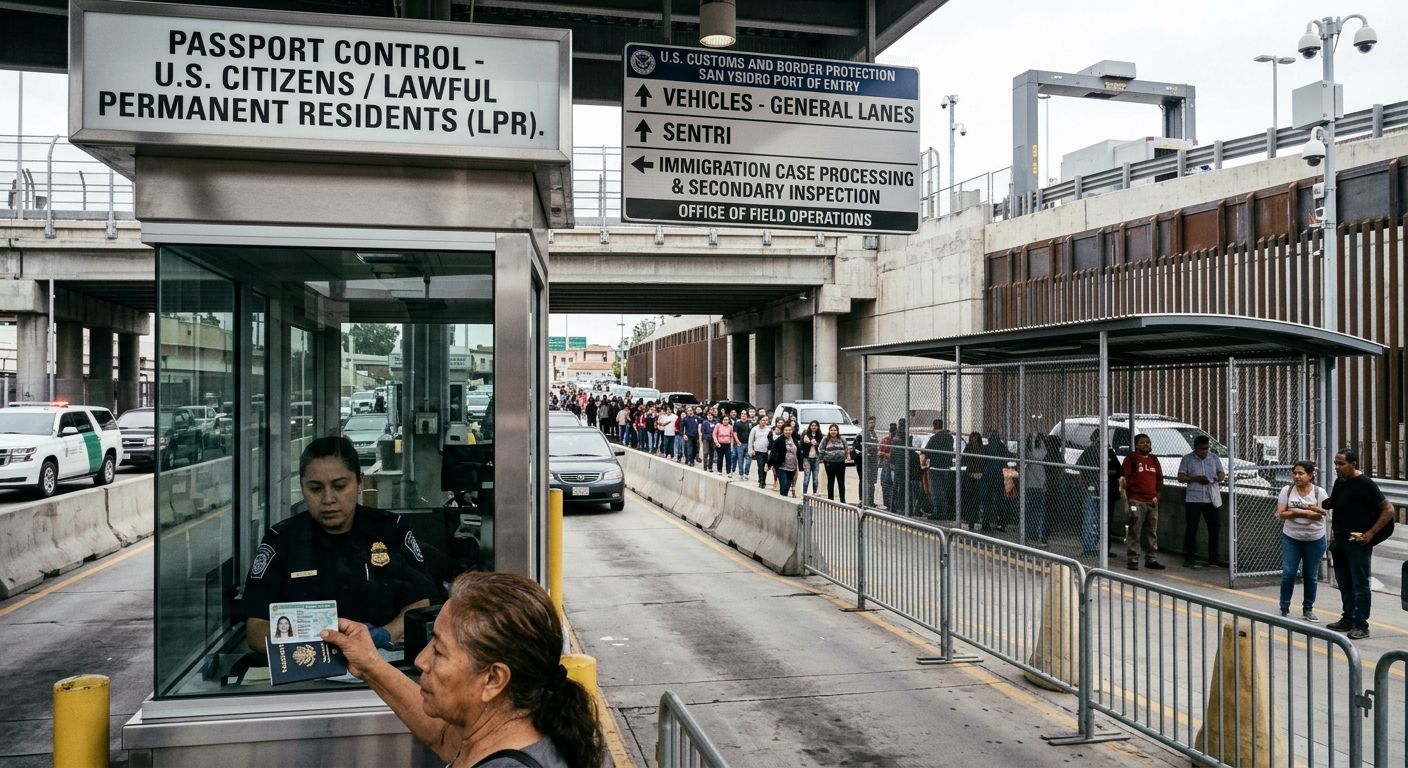
Whether you can get a green card after entering the United States without inspection depends on several factors — whether you have a qualifying family member, how long you have been here, whether you have any prior removal orders, and your specific immigration history. There is no single yes or no answer. But there are paths that exist for some people in this situation, and there are specific reasons why others cannot use them, and understanding which category you are in is the most important thing you can do right now. This is the question I hear most in my office in Fort Worth. People who have been here for ten, fifteen, twenty years. People who have US citizen children, US citizen spouses. People who built lives here and want to know whether there is a legal path forward. Here is the honest answer. What 'entered without inspection' means and why it matters Entering without inspection means crossing into the United States without going through an official port of entry or without being admitted by an immigration officer. No visa. No stamp. Just crossing. This matters for green card purposes because the standard path to a green card — called adjustment of status — generally requires that you were inspected and admitted or paroled into the United States. If you entered without inspection, you were not admitted. That creates a barrier to adjusting status inside the country that people who entered with a visa and overstayed do not face in the same way. When a path to a green card may exist despite entering without inspection The most common situation where a path exists is through a provision called 245(i). This is a law that allows certain people who entered without inspection — or who have other technical bars to adjustment of status — to still apply for a green card inside the United States, as long as they had a family petition or labor certification filed on their behalf before April 30, 2001, and they pay a penalty fee. If you have a family member who filed for you before that date, this may apply to you. The date cutoff is firm and there is no exception to it. Another situation is parole in place for military families. If you are an immediate family member — spouse, child, or parent — of someone on active duty in the US military or a veteran, you may be eligible for parole in place, which gives you a form of admission that then allows you to apply for adjustment of status. This is a specific and limited exception, but it is a real one. There is also consular processing — leaving the United States and applying for an immigrant visa at a US consulate abroad. This is sometimes an option, but it requires understanding the unlawful presence bars before you go. If you have been in the United States unlawfully for more than 180 days and you leave, you trigger a bar on returning. More than one year unlawfully, and it is a ten-year bar. Whether a waiver of that bar is available depends on your qualifying relatives and the hardship your absence would cause them. When there is no direct path currently available If you entered without inspection, you do not have 245(i) eligibility, you do not have a military family connection, and your only option would require leaving the country and triggering an unlawful presence bar — and you do not have qualifying relatives who could support a hardship waiver — then there may not be a straightforward path to a green card right now. That is a hard answer to hear and I give it plainly because the alternative — spending money on an application that does not succeed, or making decisions about leaving the country without understanding the consequences — is worse. Some people in this situation have other options: cancellation of removal if they end up in immigration court, U visa if they have been a victim of a qualifying crime, VAWA if they have been abused by a US citizen or LPR spouse or parent. Those are separate conversations worth having. Why you need an attorney to assess your specific situation The analysis of whether a path exists depends on facts that are specific to your case. When exactly you entered. Whether you have had any prior immigration court proceedings. Whether anyone has ever filed any petition for you. Whether you have any criminal history. Whether you have qualifying family members and what their status is. I have sat across from people who came in and were certain they had no options and found a path they did not know existed. I have also sat across from people who were certain they qualified for something and had to tell them the specific facts of their situation meant they did not. There is no substitute for having someone look at your actual file. A consultation will tell you honestly where you stand and what, if anything, can be done. Call us. Attorney Arzoo Connor ARC Legal Services | Fort Worth, TX | Hablamos Español 469-200-0158 | arclawoffice.com This post is for general informational purposes only and is not legal advice. Every immigration case is different. Please consult a qualified attorney about your individual situation.

By Arzoo Connor • October 30, 2026
ICE can arrest and initiate removal proceedings against a lawful permanent resident.
By Arzoo Connor • October 27, 2026
As of October 23, 2026, there is no path to bond for people who entered the United States without inspection and are detained in Texas, Louisiana and Mississippi.
By Arzoo Connor • October 20, 2026
Someone Showed Me A Will Last Week That They Made With ChatGPT. It Had The Right Words In All The Right Places. It Also Would Have Been Invalid In Texas.
By Arzoo Connor • October 14, 2026
DACA renewals are still being processed as of October 2026
By Arzoo Connor • September 24, 2026
USCIS is using artificial intelligence to screen social media accounts as part of immigration case review
By Arzoo Connor • September 24, 2026
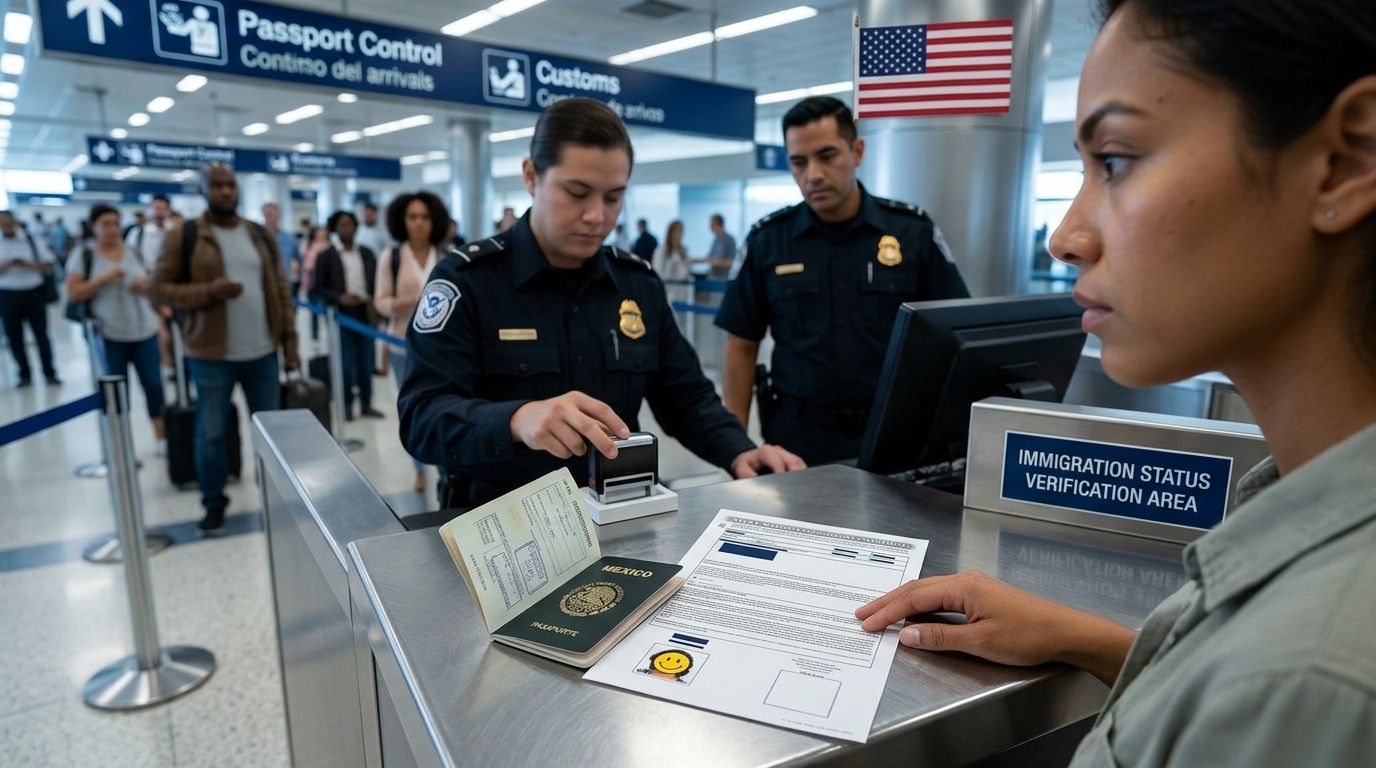
Airports in the United States are federal jurisdiction.
By Arzoo Connor • September 15, 2026
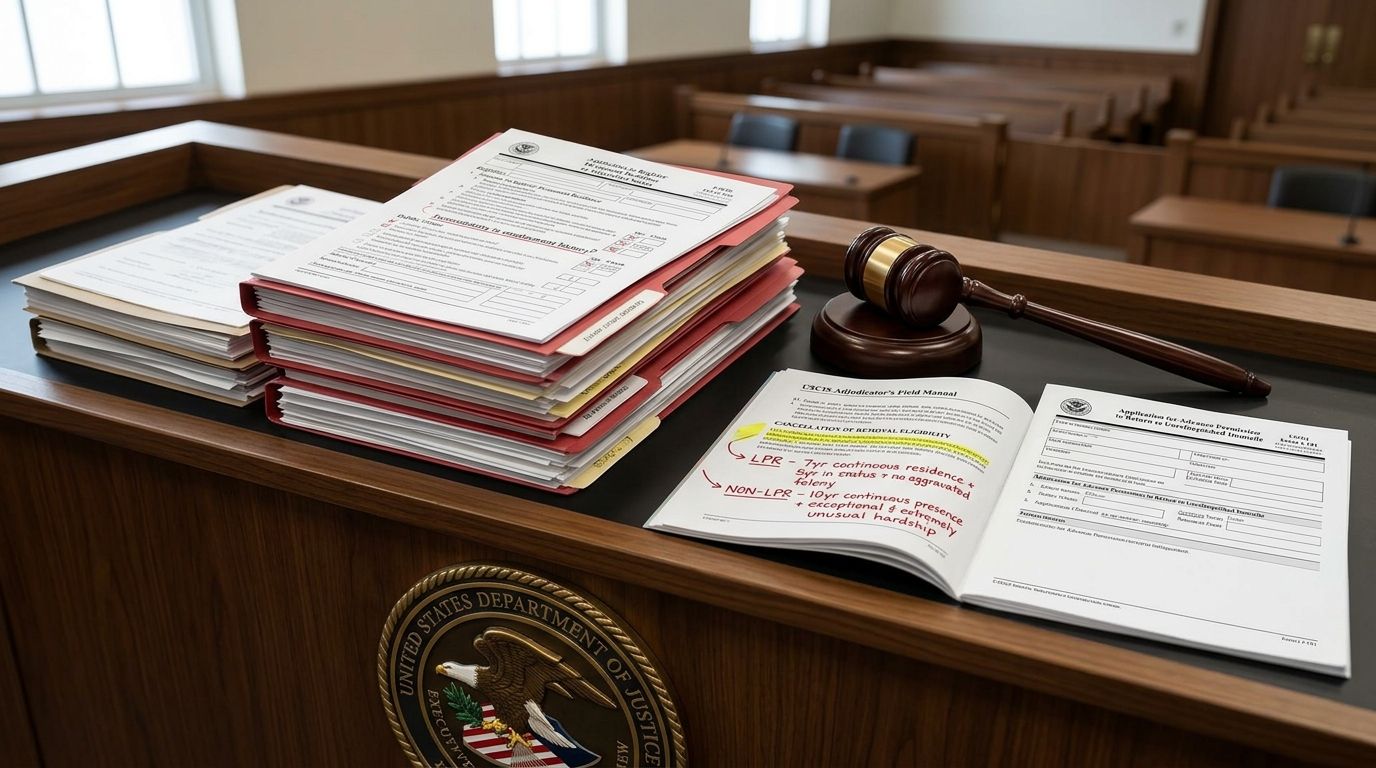
Cancellation of removal is a form of relief in immigration court that allows certain people who are in removal proceedings to avoid deportation and, in some cases, receive a green card.
By Arzoo Connor • September 9, 2026
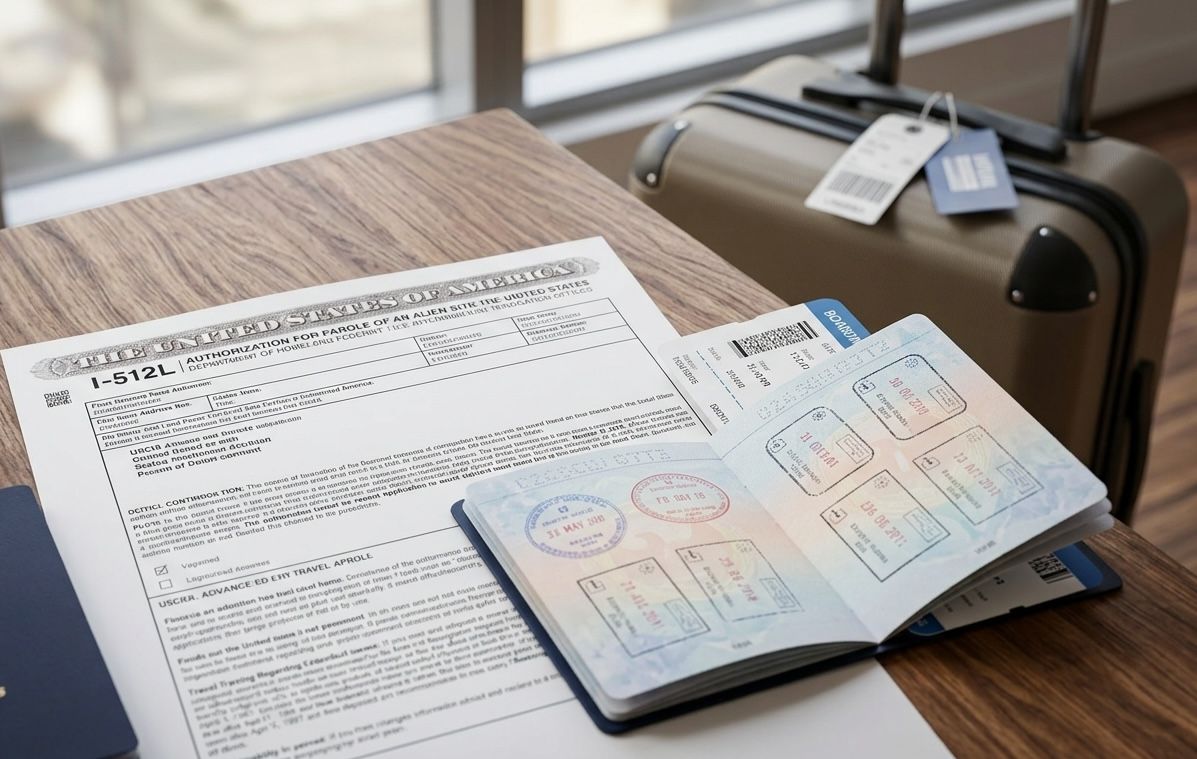
Advance parole is a travel document that allows certain noncitizens with pending adjustment of status applications to leave and reenter the United States without abandoning their case.
By Arzoo Connor • August 31, 2026
At adjustment of status interviews in 2026, USCIS officers are asking more detailed and more pointed questions than they were two years ago.