



DACA in 2026 — What Recipients Need to Know Right Now
DACA renewals are still being processed as of October 2026
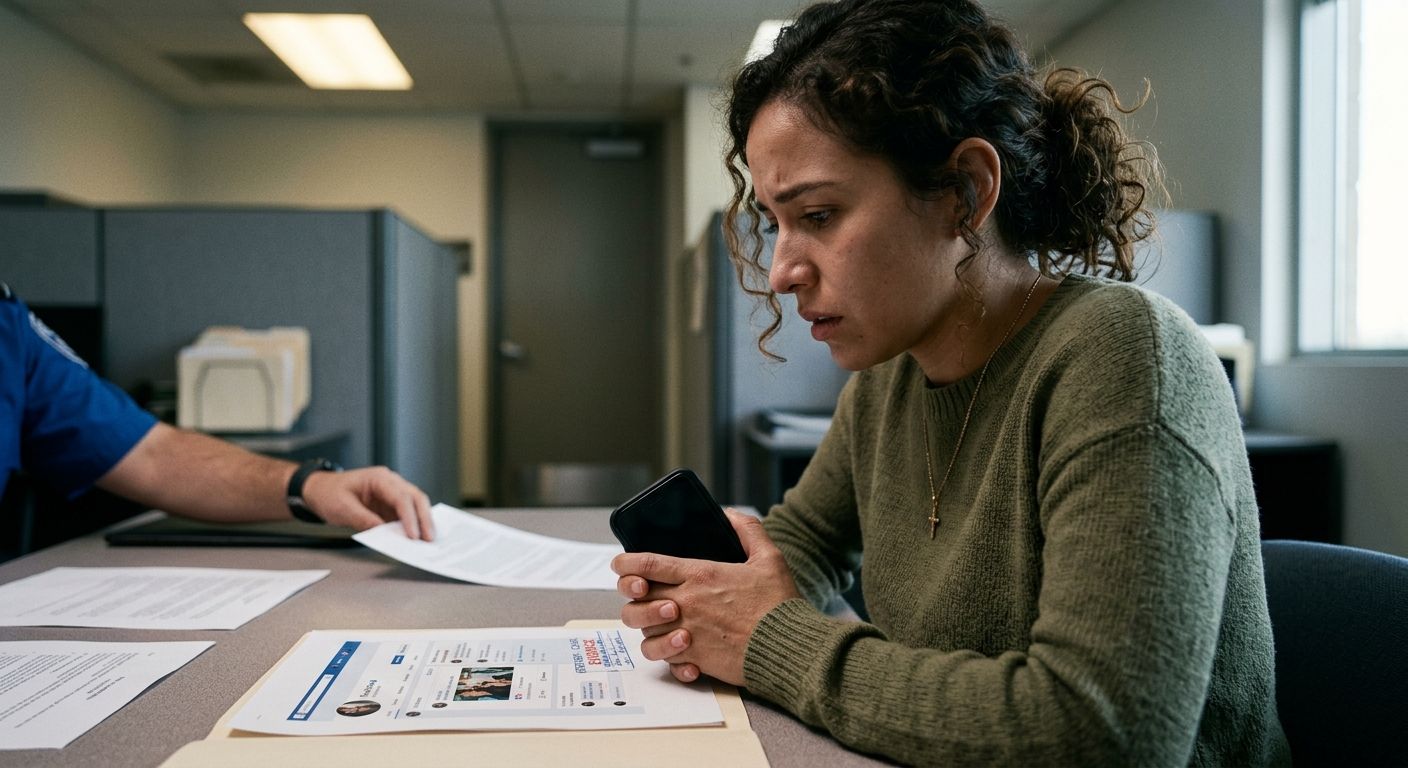
The program's legal future remains uncertain and recipients should be taking specific steps right now regardless of what happens to the program next. If you have DACA or you are helping a family member with DACA, here is the honest picture of where things stand.
I work with DACA recipients and this is not a situation where you can wait and see what happens. The steps worth taking are worth taking now, and some of them have deadlines that do not wait for the legal picture to clear up.
What is happening with DACA right now
DACA — Deferred Action for Childhood Arrivals — was created in 2012 and has been in litigation almost continuously since 2017. As of 2026, the Fifth Circuit Court of Appeals, which covers Texas, has ruled the program unlawful for new applicants, but renewals for existing recipients have continued under court orders. USCIS is processing renewals. Work permits are being issued. The program is functioning.
What that means practically is that if you currently have DACA, you can renew. If you have never had DACA or if your DACA expired more than a year ago without renewal, you are in a different situation — new applications are not being accepted in the Fifth Circuit, which covers Texas. If you are in another circuit the situation may differ.
The reason I am telling my clients not to wait is that the legal challenges are ongoing and the landscape could change again. Filing your renewal well before your current DACA expires gives you the longest possible window of protection regardless of what happens in the courts.
When to file your DACA renewal
USCIS recommends filing your renewal application 150 to 120 days before your current DACA expires. That is approximately five to four months out. Given current processing times and the general unpredictability of USCIS operations in 2026, filing at the 150-day (5 months) mark or even earlier is the safer approach.
If your DACA expired and you did not renew, you may still be able to file a late renewal depending on how long ago it lapsed. The rules around late renewals have changed and the current guidance should be confirmed with an attorney before you file anything.
What DACA does and does not protect you from
DACA gives you temporary protection from deportation and the ability to obtain a work permit. It does not give you lawful immigration status. It does not give you a path to a green card on its own. And it does not protect you from all immigration enforcement in all circumstances.
In 2025 and 2026 there have been cases of DACA recipients who were arrested by immigration enforcement. DACA is a form of prosecutorial discretion — it means the government agreed not to prioritize your case for removal. It is not a legal status and it can be revoked. If you have any criminal history, even minor charges, you need to understand how that interacts with your DACA protection.
What else DACA recipients in Texas should be doing right now
Look at whether you have any other immigration options. DACA is not a permanent solution and it never was. If you have a US citizen spouse, parent, or other qualifying family member, explore whether family-based immigration is a path for you. If you are in a category that allows adjustment of status, that conversation should happen now, not after DACA ends.
Keep your documents in order. Your original DACA approval notices, your work permits, any renewal receipts. Know where they are and have copies somewhere safe.
Be careful about travel. DACA recipients can apply for advance parole to travel internationally, but given the recent BIA ruling that changed how advance parole interacts with unlawful presence bars, any travel decision needs to be reviewed carefully by an attorney before you book anything. Do not travel on advance parole in 2026 without talking to an attorney first.
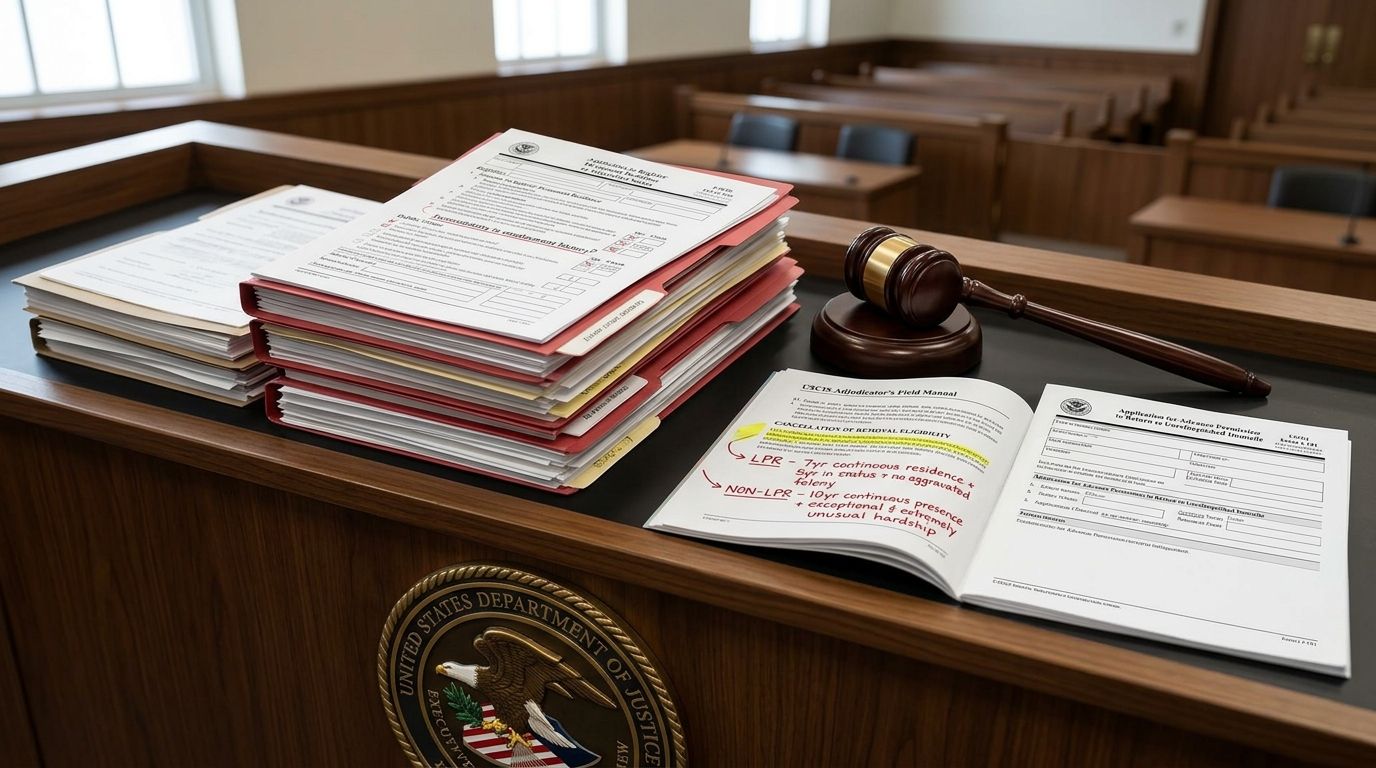
If you have been in the United States for ten or more years, discuss cancellation of removal with an attorney as an alternate or parallel strategy. The requirements are different but for some DACA recipients it may be worth understanding.
A word on the uncertainty
I know that living with this kind of legal uncertainty for years is exhausting. People who came here as children, who grew up here, who know no other home, have been waiting for a permanent answer for over a decade. I am not going to tell you the answer is coming soon because I do not know that it is.
What I can tell you is that the steps worth taking now are real and concrete regardless of what Congress or the courts do next. Renewing on time, understanding your options, and talking to an attorney about your specific situation are the things in your control. Those matter.
Call us if you have questions about your DACA renewal or about what other options exist for your situation. A consultation will give you an honest picture of where you stand.
Attorney Arzoo Connor
ARC Legal Services | Fort Worth, TX | Hablamos Español
469-200-0158 | arclawoffice.com
This post is for general informational purposes only and is not legal advice. Every immigration case is different. Please consult a qualified attorney about your individual situation.