



You Can Type 'Write My Will' Into ChatGPT. Here's Why That Document Won't Protect Your Family.
Someone Showed Me A Will Last Week That They Made With ChatGPT. It Had The Right Words In All The Right Places. It Also Would Have Been Invalid In Texas.
That is the problem with AI estate planning tools. Not that the output looks sloppy. It looks completely professional. The person who made it had no idea there was anything wrong, because they read it and it sounded like a real will.
Three times this year a client came in with an AI-generated will. Every single time, the document looked right. Every single time, there were serious problems with it. Every single time, they had no idea.
What AI actually does when you ask it to write a will
AI tools are trained on massive amounts of text, including legal documents. They know the vocabulary. They know the structure. They can fill in names and assets and beneficiaries from what you tell them.
What they cannot do is know whether the document they produced is valid under Texas law. They cannot know whether you executed it correctly. They cannot ask you the follow-up questions that would reveal a problem in your plan. They cannot review your beneficiary designations, your property title, your bank accounts, or any of the other pieces that have to coordinate with your will for it to work.
A will does not exist on its own. It is one document in a plan. If the rest of the plan does not match, the will may be technically valid and still fail your family completely.
The Texas-specific rules that AI gets wrong
Texas has specific requirements for how a will must be signed and witnessed. It must be signed in the presence of two witnesses who are not beneficiaries. It must be notarized if you want it to be self-proving, which means the court can admit it without additional testimony after you die. If those formalities are not followed correctly, the will may not be admitted to probate regardless of what it says.
Texas also has specific rules about community property, homestead protections, and what a surviving spouse is entitled to that do not apply in most other states. An AI tool trained on general legal information may blend rules from different states or miss Texas-specific provisions entirely. I have seen AI-generated documents reference laws that do not exist in Texas.
Beyond the document itself, a will has to coordinate with how your property is actually titled. If your house has a joint tenancy with right of survivorship, the will is irrelevant to that property. It passes automatically to the surviving owner regardless of what the will says. If your 401k names a different beneficiary than who your will names, the 401k goes to the beneficiary designation. The will does not override it. AI does not review your deed. It does not know how your property is titled.
The questions that never get asked
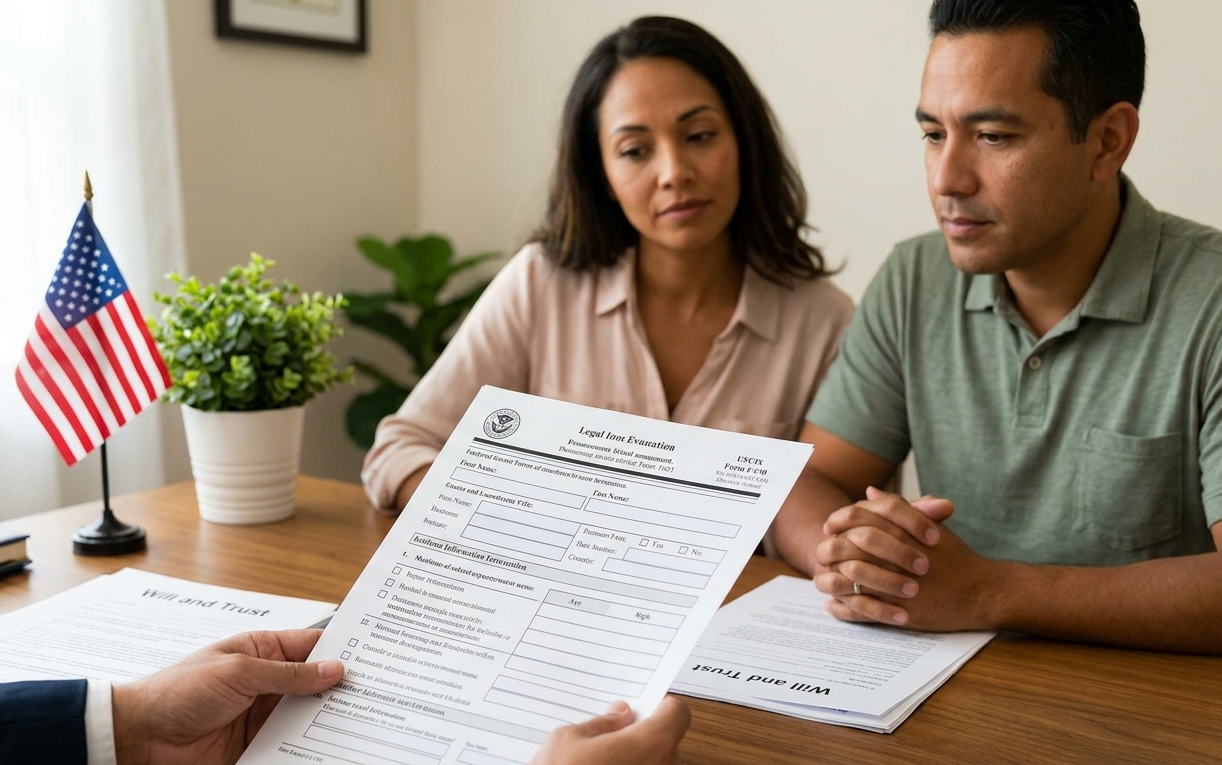
When I sit down with a client for an estate planning consultation, I ask questions. Who are you leaving this to and why? Is there any reason one child might contest this? Does this beneficiary have creditor problems, a substance abuse issue, an unstable marriage? Are there stepchildren? Did you have property in another country? Do you have a pension, a 401k, life insurance — and do the beneficiaries on those accounts match what you just told me you want?
I ask those questions because I know what estate plans fail on. Not the language in the document. The details nobody thought to bring up.
An AI responds to what you type into it. It cannot hear hesitation. It cannot recognize when something you said does not match something else you said. It cannot identify the family dynamic that is going to create a fight when you are gone. It cannot tell you that what you described and what you created are two different things.
For immigrant families, the stakes are higher
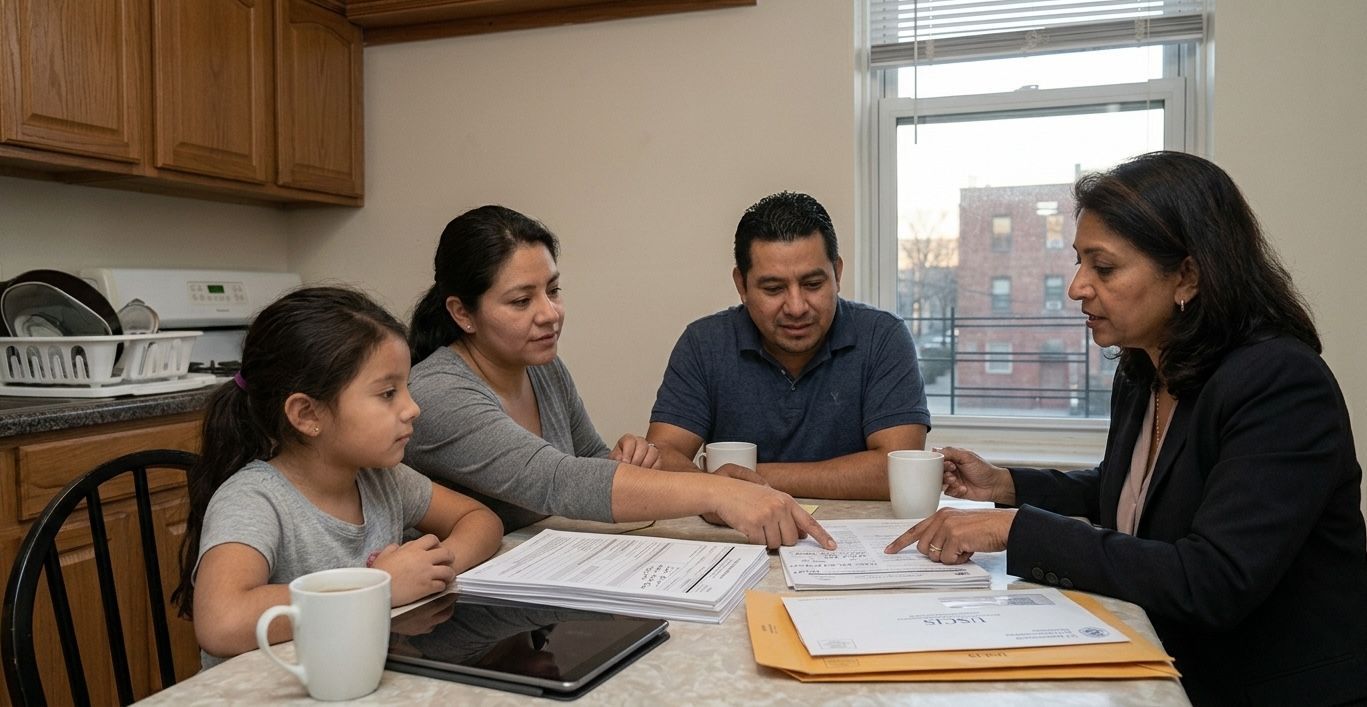
A lot of families come to me after trying an AI tool because they were solving two problems at once: a language barrier and the cost of a lawyer. Both of those are real issues. Both of those are things I deal with at my firm every day.
But for immigrant families, the planning is more specific and the gaps matter more. If one spouse does not have citizenship, the standard tax protection that applies between US citizen spouses does not apply automatically. That has to be addressed in the estate plan. If there is property in Mexico or El Salvador or Honduras, a Texas will does not control what happens to it. If there are family members without legal status you want to provide for, how that is structured matters. If immigration status is still pending, there are planning considerations specific to that situation.
An AI will produces a generic document for a generic family. The families I work with are not generic.
What to do
A basic estate plan — a will, a durable power of attorney, a medical power of attorney, and a directive to physicians — does not have to be expensive or take long to put in place. A consultation is where we figure out what your family actually needs and what it costs to get it done right.
If you have an AI-generated will sitting somewhere and you are not sure whether it holds up, call us. It costs less to find out now than to leave your family to sort it out later.
Attorney Arzoo Connor
ARC Legal Services | Fort Worth, TX | Hablamos Espanol
469-200-0158 | arclawoffice.com
This post is for general informational purposes only and is not legal advice. Every situation is different. Please consult a qualified attorney about your individual situation.