



What Happens at the Airport When You Do Not Have Legal Status — or Even When You Do
Airports in the United States are federal jurisdiction.
TSA is a federal agency. CBP operates at every international arrival point. ICE has been making arrests at airports. And in 2025 and 2026, the enforcement posture at airports has shifted in ways that affect people regardless of their immigration status — including people with valid visas, people with green cards, and people flying domestically who have never interacted with an immigration officer in their lives.
I want to explain specifically who faces what risks at airports, what your rights are, and what you should have in order before you travel — whether that is a domestic flight to Dallas or an international trip abroad.
Domestic travel and people without legal status
TSA's primary job is security screening. TSA agents are not immigration enforcement officers. But TSA is a federal agency and since 2025 information sharing between TSA and ICE has expanded. What TSA learns about a traveler during screening can reach ICE.
At TSA checkpoints, you are required to show identification. Acceptable forms include a passport, a REAL ID-compliant driver's license, and a few other government-issued documents. Undocumented individuals who do not have a REAL ID-compliant document can attempt to use a foreign passport or other identity documents — TSA has identity verification procedures that do not require a US government ID — but this process involves TSA agent discretion and the outcome is not guaranteed.
If TSA cannot verify your identity through standard procedures, additional screening follows. If that screening surfaces information that is passed to ICE, an arrest can follow. ICE has been making civil immigration arrests at domestic airport terminals. This has happened to people who were not crossing an international border and had no reason to expect an immigration encounter.
If you do not have legal status and you are considering domestic air travel, talk to an immigration attorney about your specific situation before you book the ticket. The risk depends on what documents you have, the airport, the current enforcement environment, and your individual immigration history. It is not a uniform risk for every person, but it is a real one.
If you are a visa holder traveling domestically
If you are in the United States on a valid visa and you are traveling within the country, TSA will see your foreign passport and your visa. In most circumstances this is not a problem. But if your visa has expired and you are still in the country, or if your authorized period of admission has ended, a domestic flight creates a moment where that status may be flagged. Know the exact expiration date of your authorized stay — not just your visa stamp, but the date on your I-94 record — before you fly.
Green card holders at international airports — returning from travel
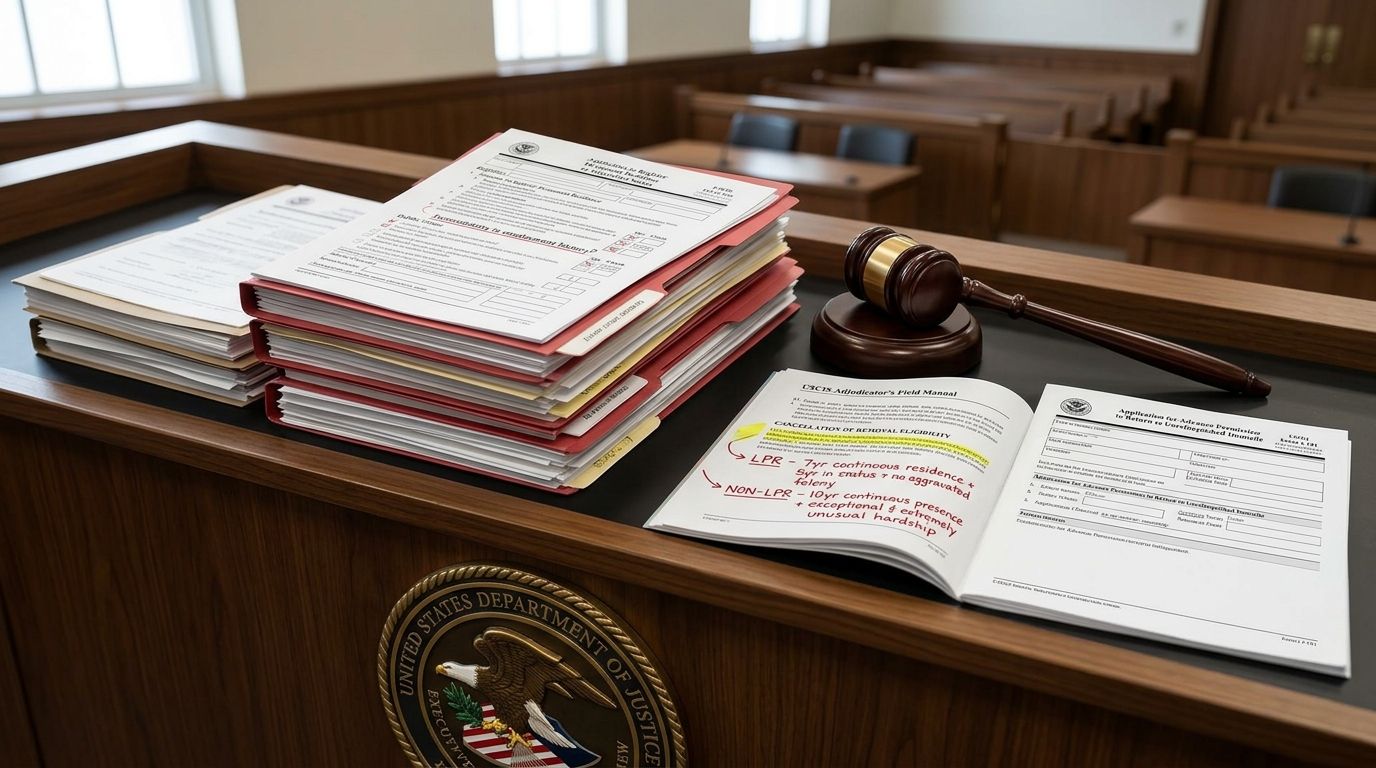
The Supreme Court ruled in June 2026 that CBP officers can now initiate removal proceedings against a returning green card holder based on suspicion of a crime, without the prior requirement of clear and convincing evidence. This changed the risk at the border for people with criminal histories in a meaningful way.
When you return to the United States through an international airport, you go through CBP. The officer who processes you can access your immigration history, your criminal record, and any flags in the system in real time. If they have concerns they can send you to secondary inspection — a separate, more thorough process where you can be held for hours and where officers have broader authority to question you and review your documents including your phone.
If you are a green card holder and any of the following are true, talk to an attorney before your next international trip: you have any criminal history of any kind, you have a prior removal order that was never formally terminated, you have had prior periods of unlawful presence in the US, or you have any other complication in your immigration history. The June 2026 ruling made the risk at the border higher for a broader group of people than it was before.
What documents to carry when you travel
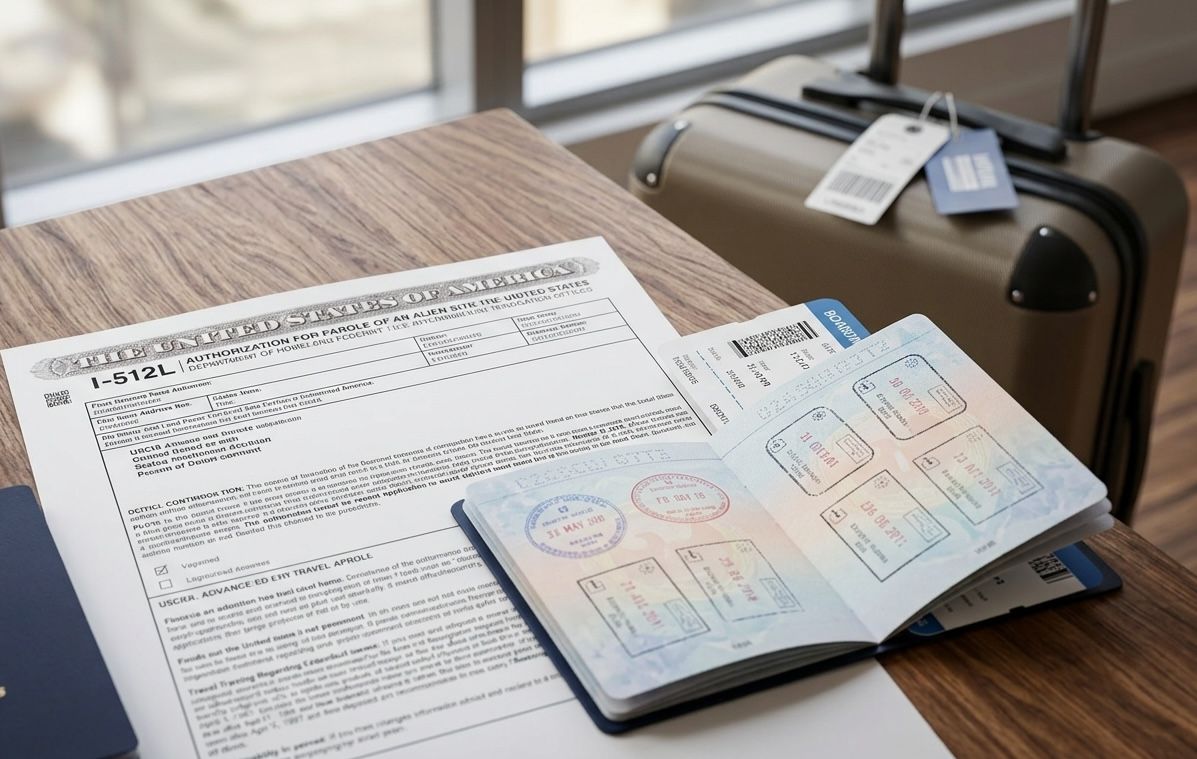
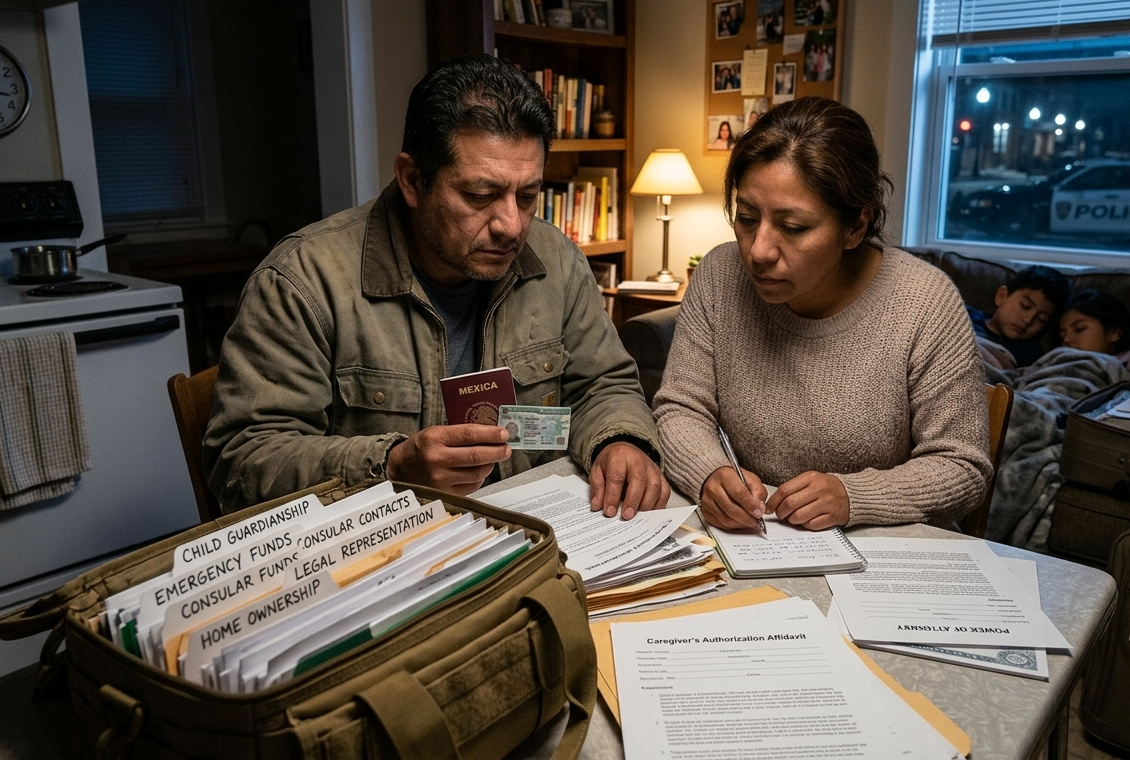
Green card holders traveling domestically: carry your green card. Green card holders traveling internationally: carry your green card and your passport. Visa holders traveling internationally: carry your visa documentation and your passport. If you have advance parole, carry that document.
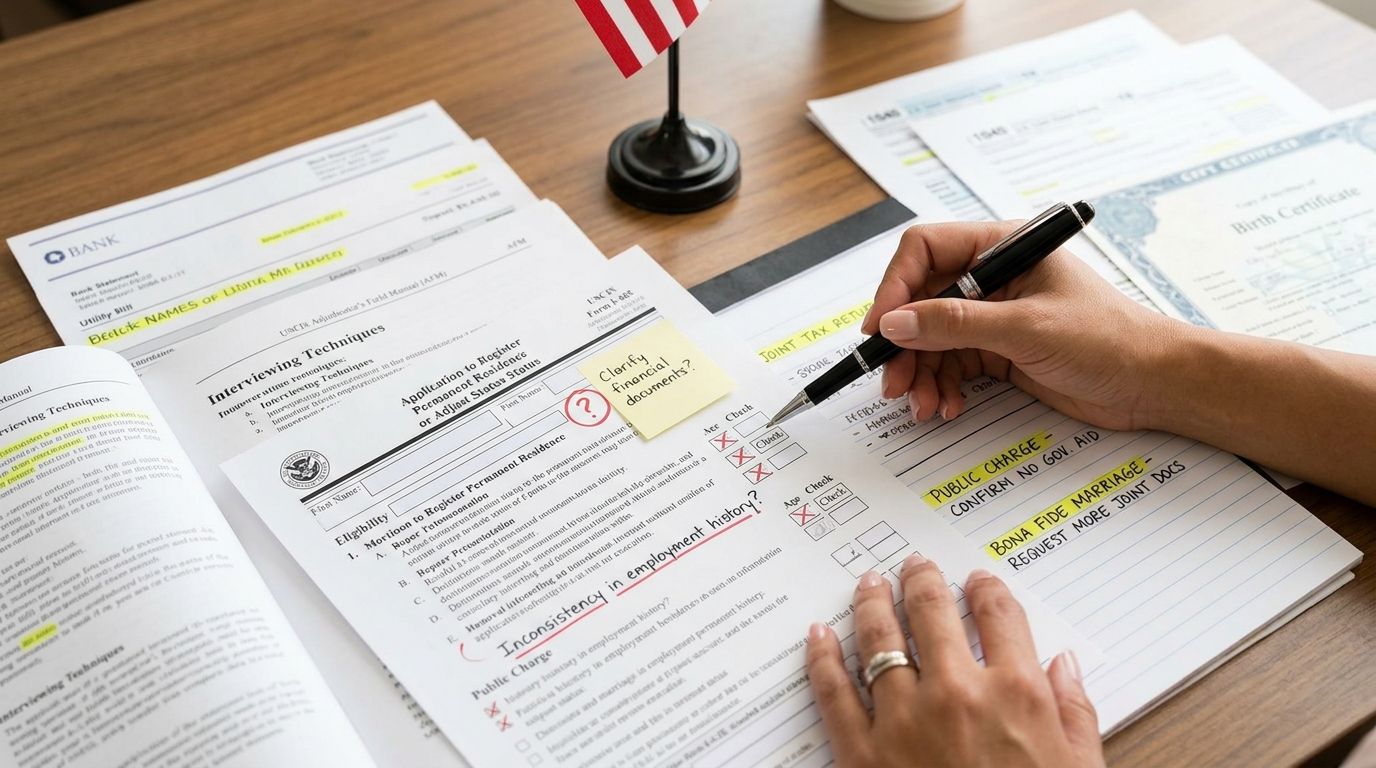
If you have other immigration documents — an Employment Authorization Document, a pending case receipt notice, anything that documents your current status or pending application — carry copies when you travel. Not originals. Originals should be kept somewhere safe. Certified copies are sufficient and losing an original immigration document while traveling creates significant problems.
Have your attorney's phone number saved in your phone before you arrive at the airport. Not after something happens — before.
What to do if you are stopped or questioned
You have the right to remain silent and the right to an attorney. This applies at airports as it applies everywhere in the United States.
If CBP stops you at a port of entry — meaning you are returning from international travel — their authority to question you about your admissibility is broad. Refusing to answer questions at a port of entry can itself be used against you in the admissibility determination. The calculation at a port of entry is different from the calculation inside the country.
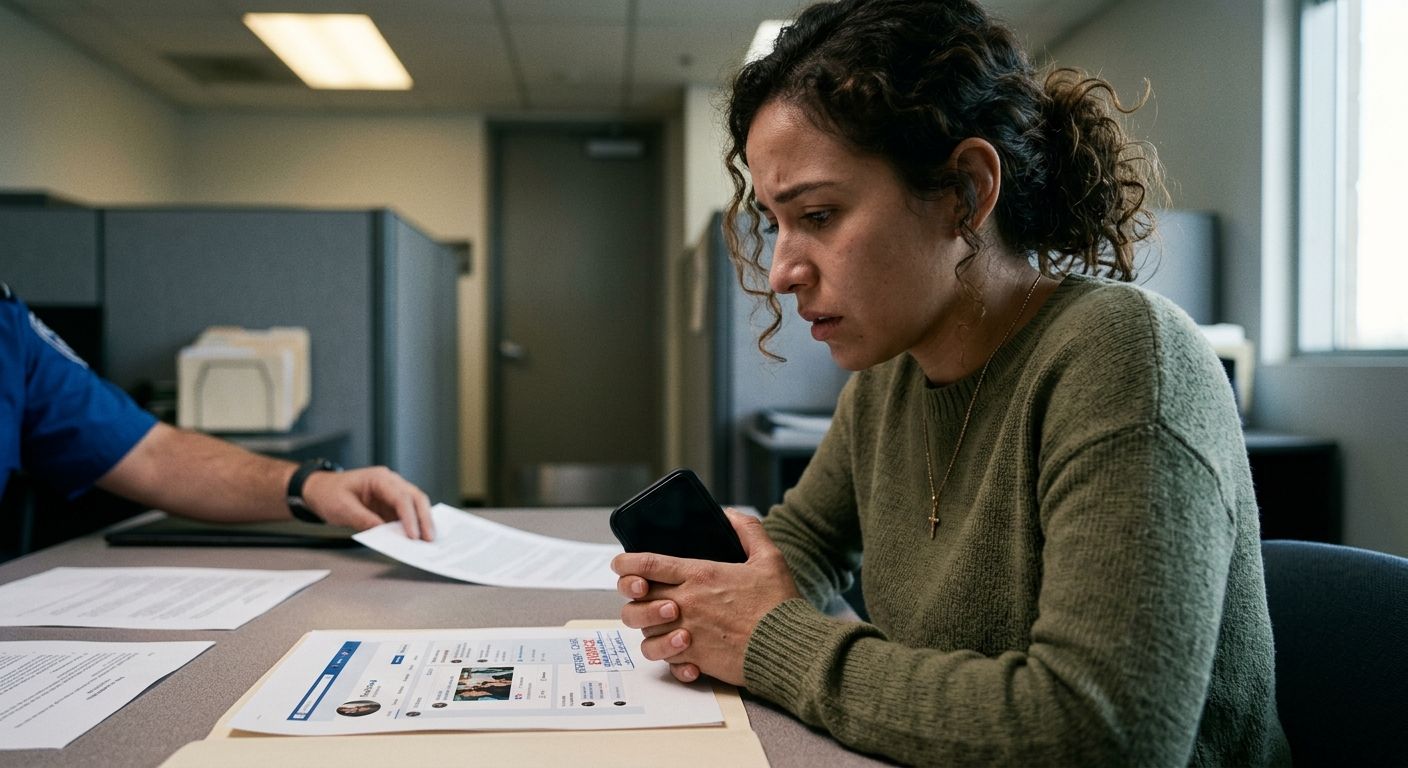
If ICE approaches you inside a domestic terminal, ask clearly: am I free to go? If the answer is yes, you can leave. If the answer is no, you are being detained. At that point ask for an attorney and do not answer questions about your immigration status without legal representation.
Do not consent to a search of your phone. You are not required to provide your phone password or your social media passwords. If an officer asks for your password, you can decline. If your phone is seized, contact an attorney as quickly as possible.
The honest picture for right now
Airport enforcement has changed. ICE arrests at airports, including domestic terminals, have happened and are not hypothetical. The Supreme Court ruling changed what happens to green card holders at the international border. TSA information sharing with federal agencies has expanded.
This does not mean that everyone who boards a plane is at risk. For most people, most flights are uneventful. But for people with open immigration cases, prior immigration court history, criminal records, or any complication in their immigration status, the airport is now a higher-stakes environment than it was two or three years ago.
If you are not sure whether your situation creates a risk at the airport — domestic or international — call us before you book the flight. A consultation gives you an honest assessment of what your specific situation looks like and what documents you should have in hand before you travel.
Attorney Arzoo Connor
ARC Legal Services | Fort Worth, TX | Hablamos Español
469-200-0158 | arclawoffice.com
This post is for general informational purposes only and is not legal advice. Every immigration case is different. Please consult a qualified attorney about your individual situation.