



Can ICE Arrest Green Card Holders? What the Supreme Court Ruling Changed in 2026
ICE can arrest and initiate removal proceedings against a lawful permanent resident.
Having a green card does not make you immune from immigration enforcement. What the Supreme Court changed in June 2026 is specifically what happens at the border when a green card holder returns from international travel — and the change made an already vulnerable situation significantly more dangerous for people with certain histories.
I want to explain what the ruling actually did, who is most affected, and what every green card holder needs to understand before making any international travel decisions.
What the Supreme Court ruling changed
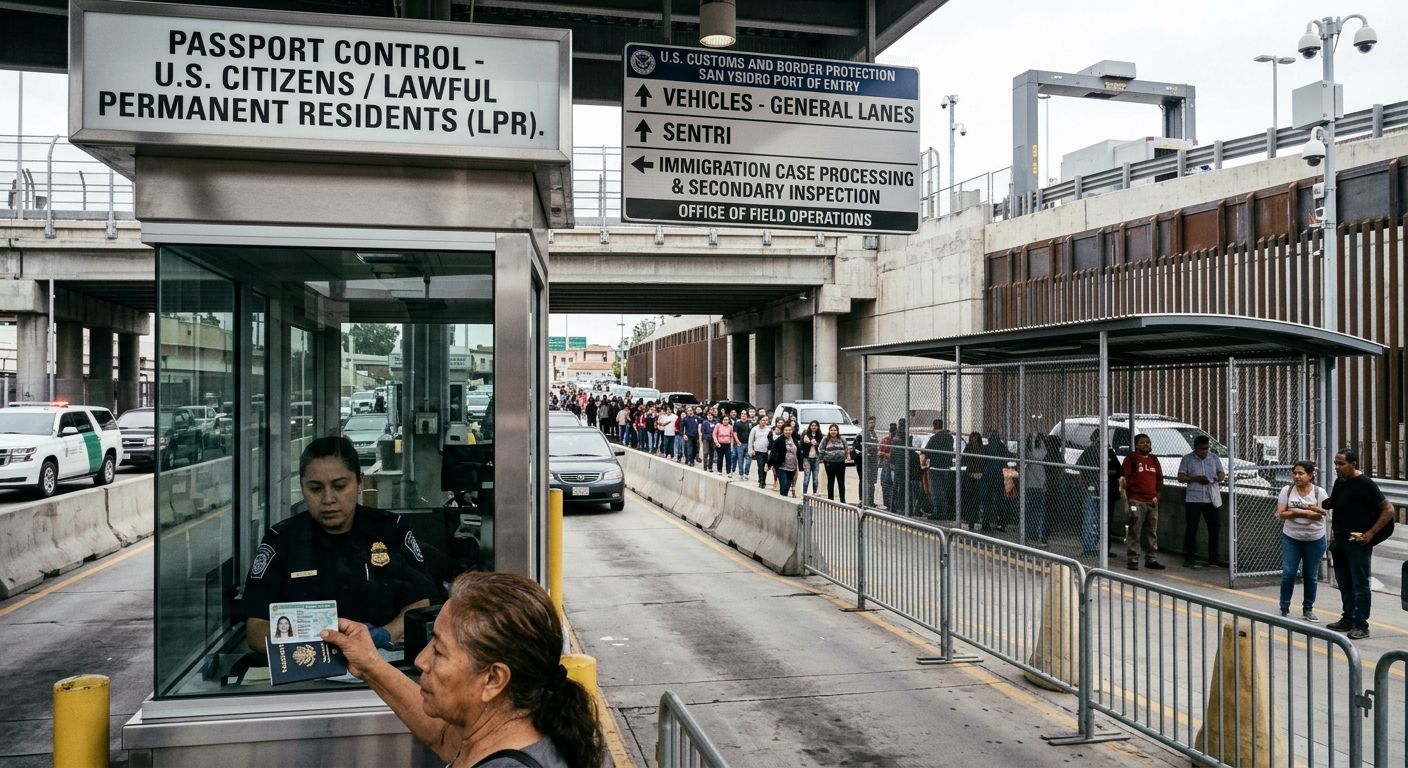
Before June 2026, when a lawful permanent resident returned to the United States from international travel, border officers needed clear and convincing evidence of a disqualifying ground before they could treat that person as an applicant for admission rather than someone returning home. That distinction matters enormously because the legal rights of someone being treated as a returning resident are significantly stronger than the rights of someone being treated as an applicant for admission.
The Supreme Court ruled 6 to 3 in June 2026 that suspicion of a crime — not proof, not a conviction, just suspicion — is now enough for a border officer to treat a returning green card holder as someone seeking admission. That shifts the burden onto the green card holder to establish their admissibility, rather than onto the government to prove they should not be let in.
In practical terms this means a green card holder returning from a trip abroad with any criminal history — an old arrest, a charge that was dismissed, a minor conviction from years ago — faces a meaningfully higher risk at the port of entry than they did before this ruling.
What can trigger a problem at the border
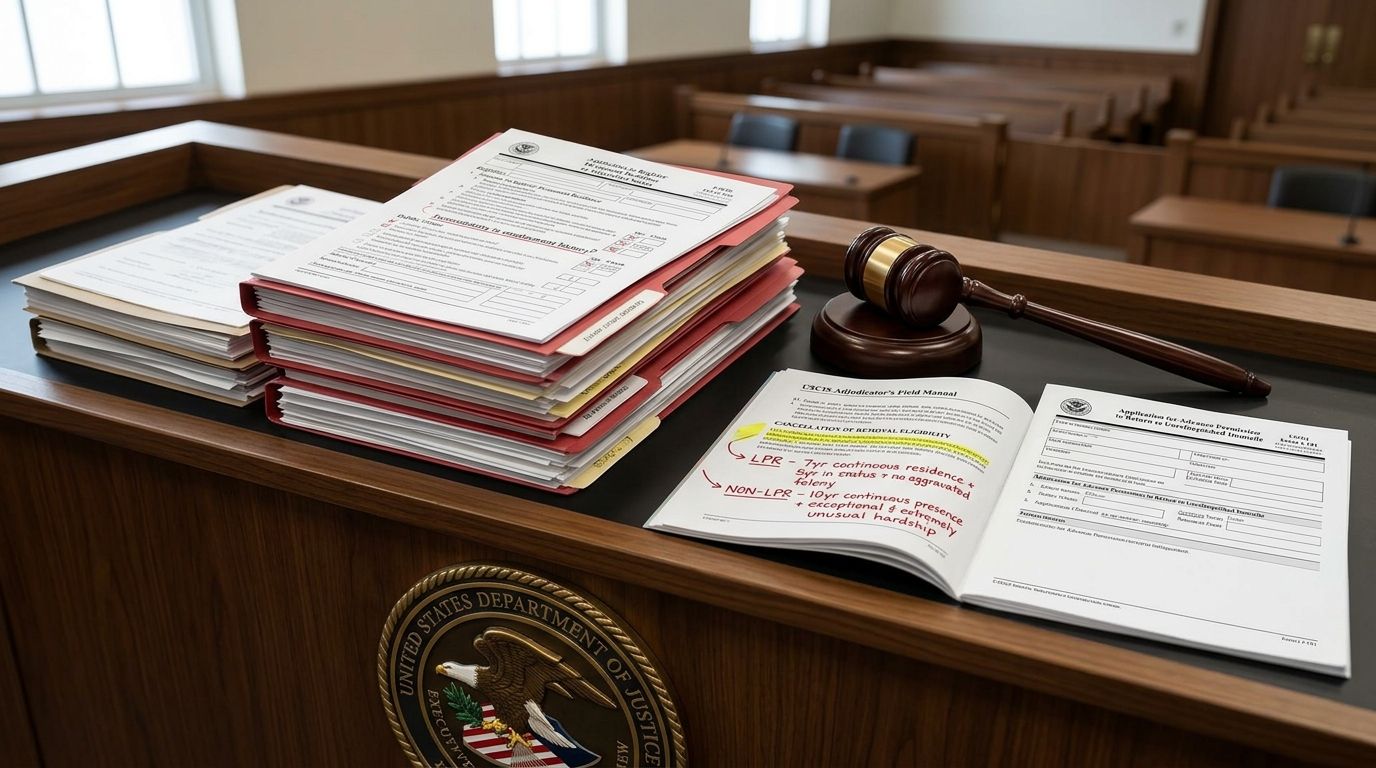
Any criminal record is worth reviewing with an immigration attorney before you travel internationally. The categories that have always been most serious in the immigration context include drug offenses of any kind, crimes involving moral turpitude, domestic violence offenses, and any crime that could be classified as an aggravated felony under immigration law. That last category is broader than most people realize — immigration law defines aggravated felony differently than state criminal law and some offenses that seem minor under state law carry significant immigration consequences.
Prior removal orders or periods of unlawful presence in your history also matter. If you had any immigration court proceedings before you received your green card, those records exist in the EOIR system and can be raised at the border.
The key point is that a border officer now has broader discretion to act on any of these things, and the threshold for doing so has been lowered.
What about green card holders who are already in the United States
The Supreme Court ruling specifically addresses what happens at the border when returning from international travel. It does not directly change what happens to green card holders who are inside the United States and have not traveled internationally.
That said, ICE enforcement priorities in 2025 and 2026 have broadened significantly. Green card holders with criminal histories have always been subject to removal if their conviction falls into a removable category. That enforcement has been more active recently, not less. If you have a green card and a criminal record, you should talk to an immigration attorney about what your record means for your immigration status regardless of whether you are planning to travel.
What green card holders should do before any international travel
If you have a green card and you are thinking about traveling internationally, talk to an immigration attorney before you book the ticket. Not at the airport, not when you land — before you make the decision to go.
Bring your complete criminal history to that conversation. Everything. Arrests that were dismissed, charges that were reduced, old misdemeanors. An attorney who knows immigration law can tell you which items on your record are likely to cause problems and which are not. That assessment is much cheaper than the alternative.
Given the current enforcement environment and the Supreme Court ruling, the advice I am giving my clients is simple: if you have any criminal record of any kind, do not travel internationally without talking to us first. The risk calculus changed in June 2026 and it changed in a direction that makes caution more important, not less.
If you have questions about your green card and your immigration history, call us before your next trip. A consultation may be the most important thing you do this year.
Attorney Arzoo Connor
ARC Legal Services | Fort Worth, TX | Hablamos Español
469-200-0158 | arclawoffice.com
This post is for general informational purposes only and is not legal advice. Every immigration case is different. Please consult a qualified attorney about your individual situation.