



What Is an Inadmissibility Waiver and When Do You Need One?
An inadmissibility waiver is a formal legal request asking the government to overlook a specific ground that would otherwise bar you from obtaining a visa or green card.
If you have a ground of inadmissibility in your immigration history — unlawful presence, a prior removal, a criminal conviction, a prior immigration violation, or certain medical issues — a waiver may be the only way to get your immigration case approved. With the recent BIA ruling changing how advance parole interacts with unlawful presence bars, inadmissibility waivers are becoming relevant to more people than ever.
Let me explain what the main grounds of inadmissibility are, which waivers exist for them, and what the standard for getting one actually requires.
What grounds of inadmissibility actually mean
A ground of inadmissibility is a legal reason under US immigration law why a person cannot be admitted to the United States or approved for a visa or green card. Congress has defined a specific list of these grounds in the Immigration and Nationality Act. The most common ones that come up in the cases I handle are unlawful presence, prior removal orders, certain criminal convictions, and prior fraud or misrepresentation.
Unlawful presence and the three and ten year bars
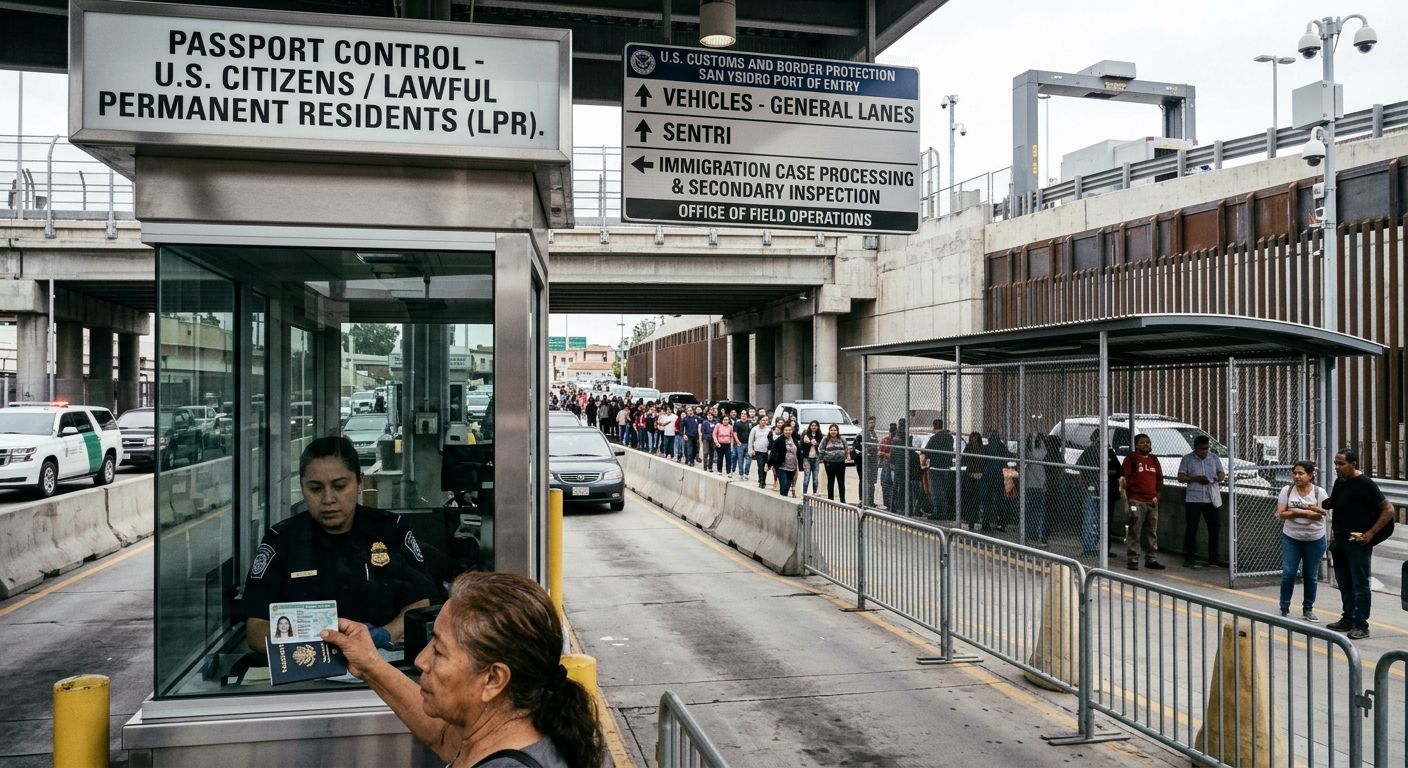
If you were in the United States without legal status for more than 180 days and then left the country, you face a three-year bar on returning. If you were here unlawfully for one year or more and then left, the bar is ten years. These are among the most common grounds of inadmissibility for the families I work with.
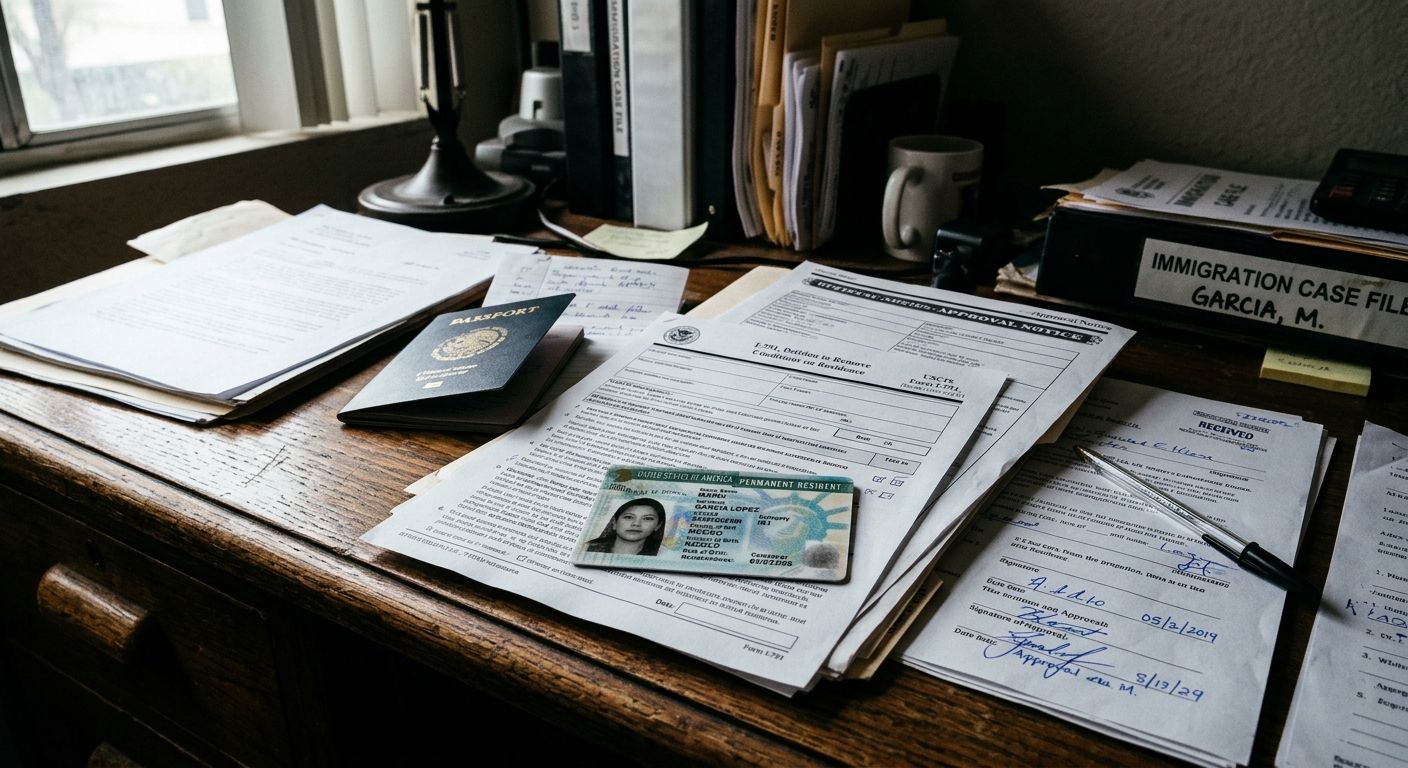
The waiver for unlawful presence bars is called the I-601A waiver, also known as the provisional unlawful presence waiver. It allows you to apply for the waiver before you leave the United States to attend your consular interview, so that if it is approved, you do not face a long separation from your family while waiting for a decision abroad. To qualify you need to be an immediate relative of a US citizen, and you need to show that your US citizen spouse or parent would suffer extreme hardship if you were barred from returning.
The standard for extreme hardship is meaningful — it is higher than the hardship of an ordinary separation. Medical conditions, financial dependency, significant emotional impact, the qualifying relative's inability to relocate — these are the kinds of factors that go into the analysis. The more thoroughly you can document the hardship, the stronger the waiver application.
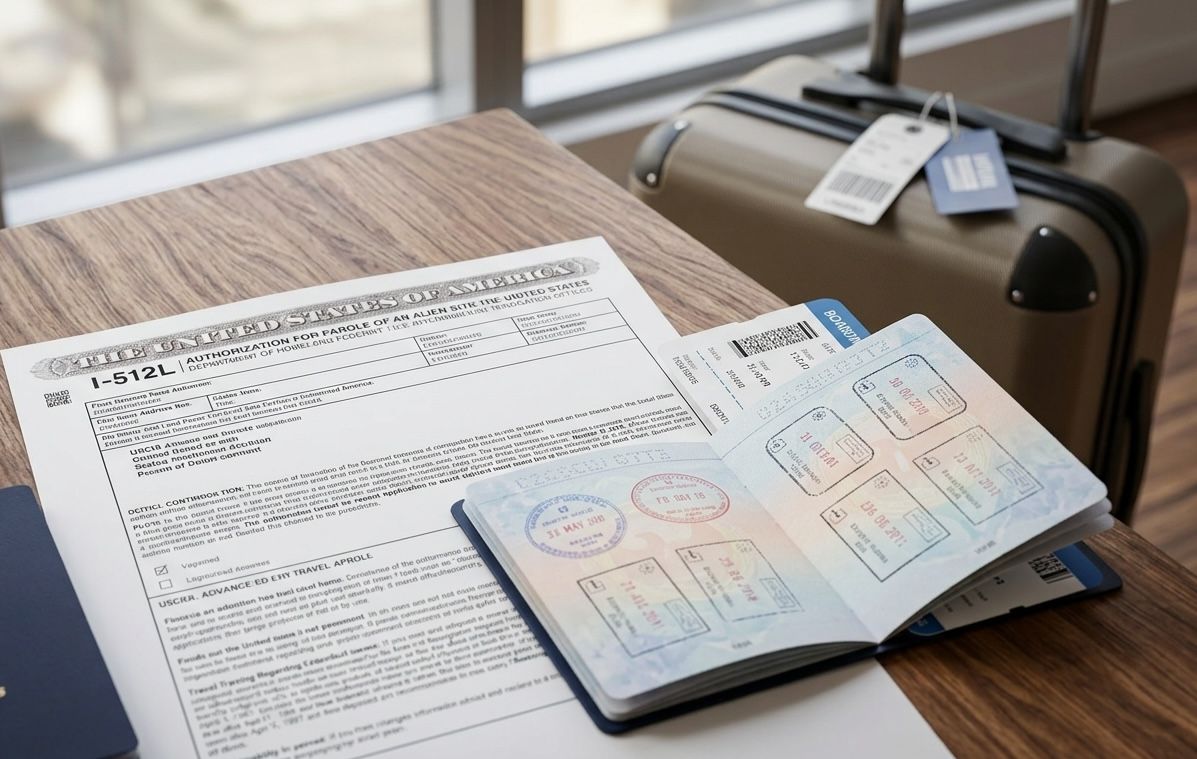
The recent BIA ruling in Matter of Delcarmen-Lara also makes waivers relevant in a new context. If you have a pending adjustment of status case, advance parole, and unlawful presence in your history, travel may now trigger the unlawful presence bar in a way it previously did not. If travel is being considered in that situation, understanding whether a waiver would be available — and what qualifying for it would require — is part of the analysis.
Criminal convictions and the waiver for crimes involving moral turpitude
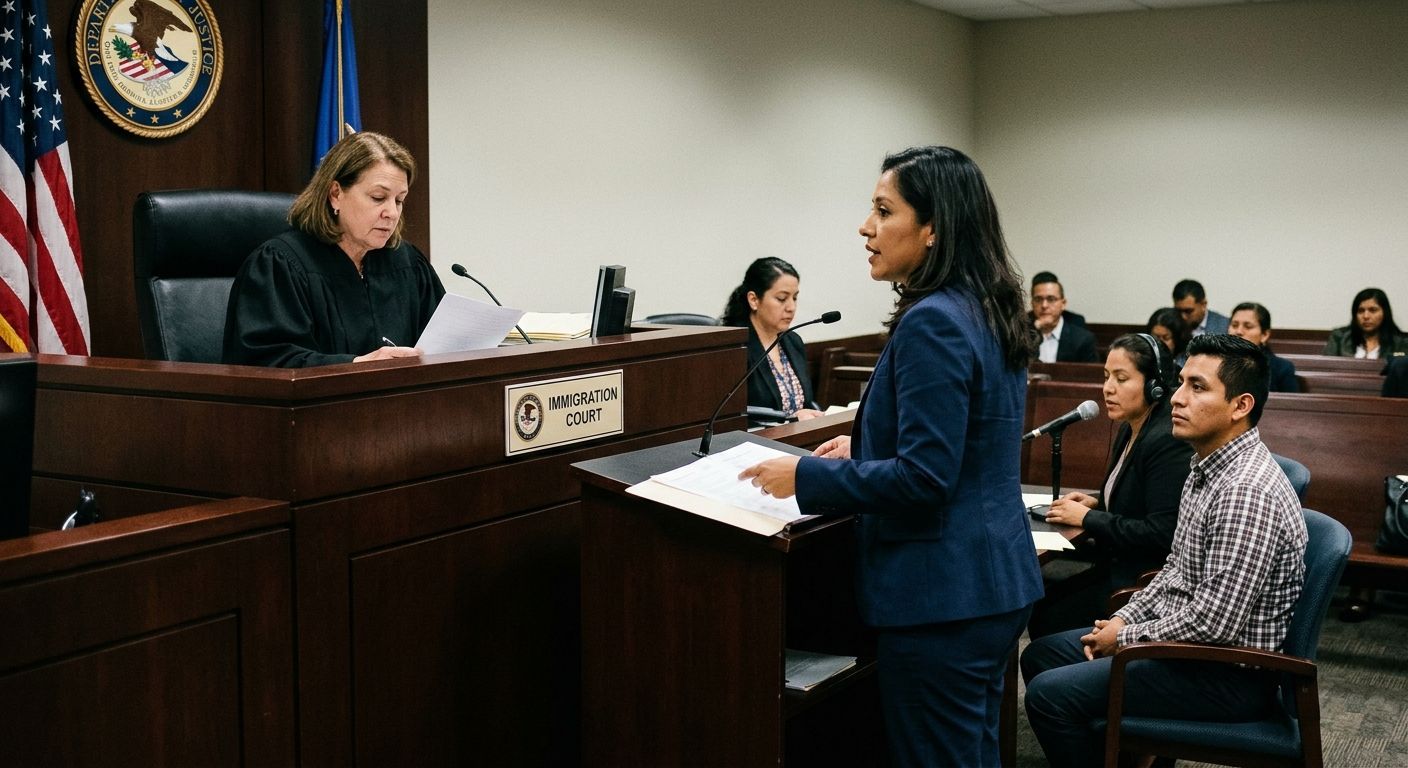
Certain criminal convictions make a person inadmissible. Crimes involving moral turpitude, drug offenses, and crimes that meet the definition of an aggravated felony under immigration law are the main categories. The waiver available for most criminal grounds of inadmissibility is the I-601 waiver. It requires showing that denial of the waiver would result in extreme hardship to a qualifying US citizen or LPR spouse or parent, and that you merit a favorable exercise of discretion — essentially that the positive factors in your case outweigh the negative ones.
The discretionary element means that even if you meet the technical requirements, there is no guarantee of approval. The application has to be thorough, well-documented, and presented in a way that addresses the government's concerns directly.
Prior removal orders
If you were previously removed from the United States and you are trying to return or adjust status, you face a separate bar — often a ten-year bar, or a permanent bar if you were removed after certain criminal convictions or if you reentered after a prior removal. The I-212 waiver is the vehicle for requesting permission to reapply for admission after a prior removal. Whether it can be approved depends on how the prior removal occurred and what your current situation looks like.
What the waiver process requires
Every waiver application involves a legal brief explaining why you qualify for the exception and why the government should exercise discretion in your favor. It requires gathering documentation — financial records, medical records, letters, tax returns, school records for children — to support the hardship claim. It is not a form you fill out alone and submit.
Waiver cases are winnable. They require real preparation, real evidence, and an attorney who knows the standard the officer is applying. If you think a waiver may be part of your immigration path, call us for a consultation. We will tell you what the waiver would require and whether your facts support it.
Attorney Arzoo Connor
ARC Legal Services | Fort Worth, TX | Hablamos Español
469-200-0158 | arclawoffice.com
This post is for general informational purposes only and is not legal advice. Every immigration case is different. Please consult a qualified attorney about your individual situation.