

Top 5 Questions Families Ask About Immigration in Fort Worth

Arzoo Connor • August 29, 2025

Top 5 Questions Families Ask About Immigration in Fort Worth

When families in Fort Worth begin exploring the immigration process, it’s natural to feel overwhelmed by the paperwork, legal terms, and waiting periods. Attorney Arzoo Connor and the team at ARC Legal Services, LLC understand how important it is to keep loved ones together, which is why we guide families step by step. Below, we’ve compiled the top five questions families often ask when starting their immigration journey in Texas.


1. Who Can I Sponsor to Come to the United States?

One of the first questions families have is about eligibility. U.S. citizens can petition for a spouse, children (married or unmarried), parents, and siblings. Green card holders can petition for a spouse and unmarried children. Each relationship falls into a specific immigration category that impacts how long the process takes.


2. How Long Does the Family-Based Immigration Process Take?

Timelines vary depending on whether you are a U.S. citizen or a green card holder, and which family member you are sponsoring. Immediate relatives of U.S. citizens, such as spouses and unmarried children under 21, typically have shorter wait times. Other relatives may wait years because of limited visa availability. Having the right forms submitted correctly from the beginning helps reduce unnecessary delays.


3. What Documents Do I Need to File a Petition?

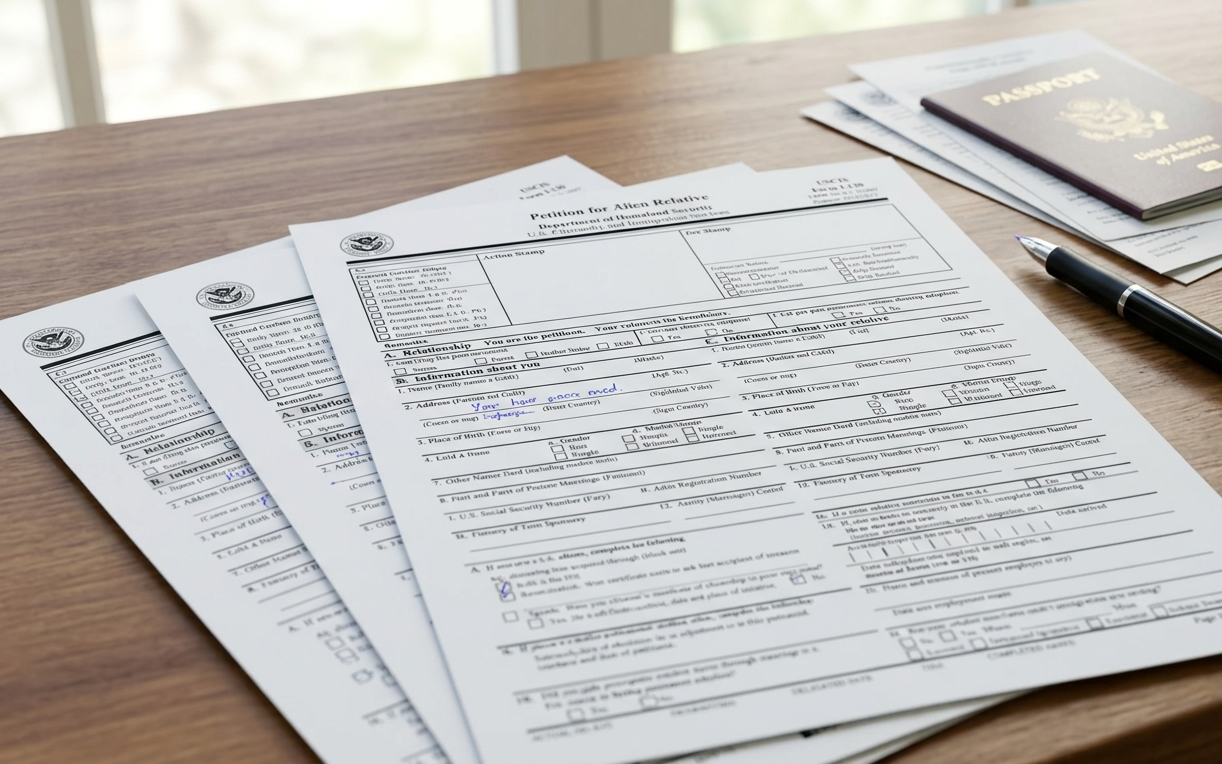
Families often ask about the documents required to get started. Typically, you’ll need proof of your relationship (such as marriage or birth certificates), proof of your U.S. citizenship or green card status, and government forms like the I-130 Petition for Alien Relative. Supporting evidence and properly completed paperwork are essential to prevent delays or denials.


4. What Happens If My Petition Is Denied?

A denial can feel discouraging, but it does not always mean the end of your case. In many situations, denials happen because of missing documents, incomplete forms, or misunderstandings about eligibility. Working with an immigration attorney in Fort Worth can help you explore options for appeal or refiling. Having the right guidance increases the chance of resolving the issue.


5. Do I Need an Immigration Attorney to File?

While some families try to navigate the process on their own, immigration law is complex and constantly changing. Mistakes can result in long delays or even denials. By working with Attorney Arzoo Connor at ARC Legal Services, LLC, you’ll have support in preparing paperwork, meeting deadlines, and staying updated on the process so your family has the best chance at a smooth path to reunification.


Bringing Families Together in Fort Worth

At ARC Legal Services, LLC, our mission is to unite families across borders. Attorney Arzoo Connor provides individualized guidance for U.S. citizens and green card holders who want to bring their loved ones to the United States. From the first consultation to the final step of the process, you’ll have a dedicated advocate by your side.


📞 Call 469-848-4151 today to schedule a consultation with ARC Legal Services, LLC and learn how we can help your family start this important journey.
By Arzoo Connor • September 24, 2026
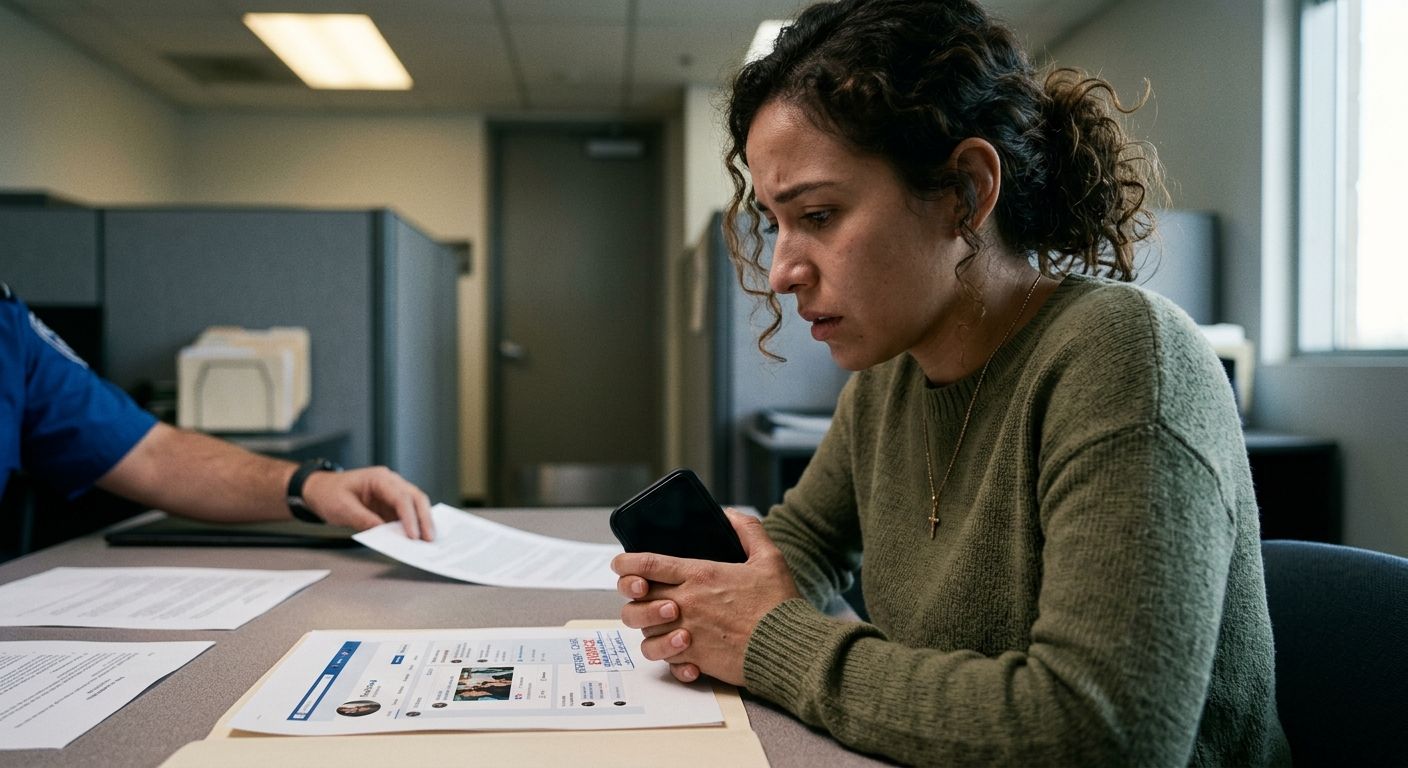
USCIS is using artificial intelligence to screen social media accounts as part of immigration case review
By Arzoo Connor • September 24, 2026
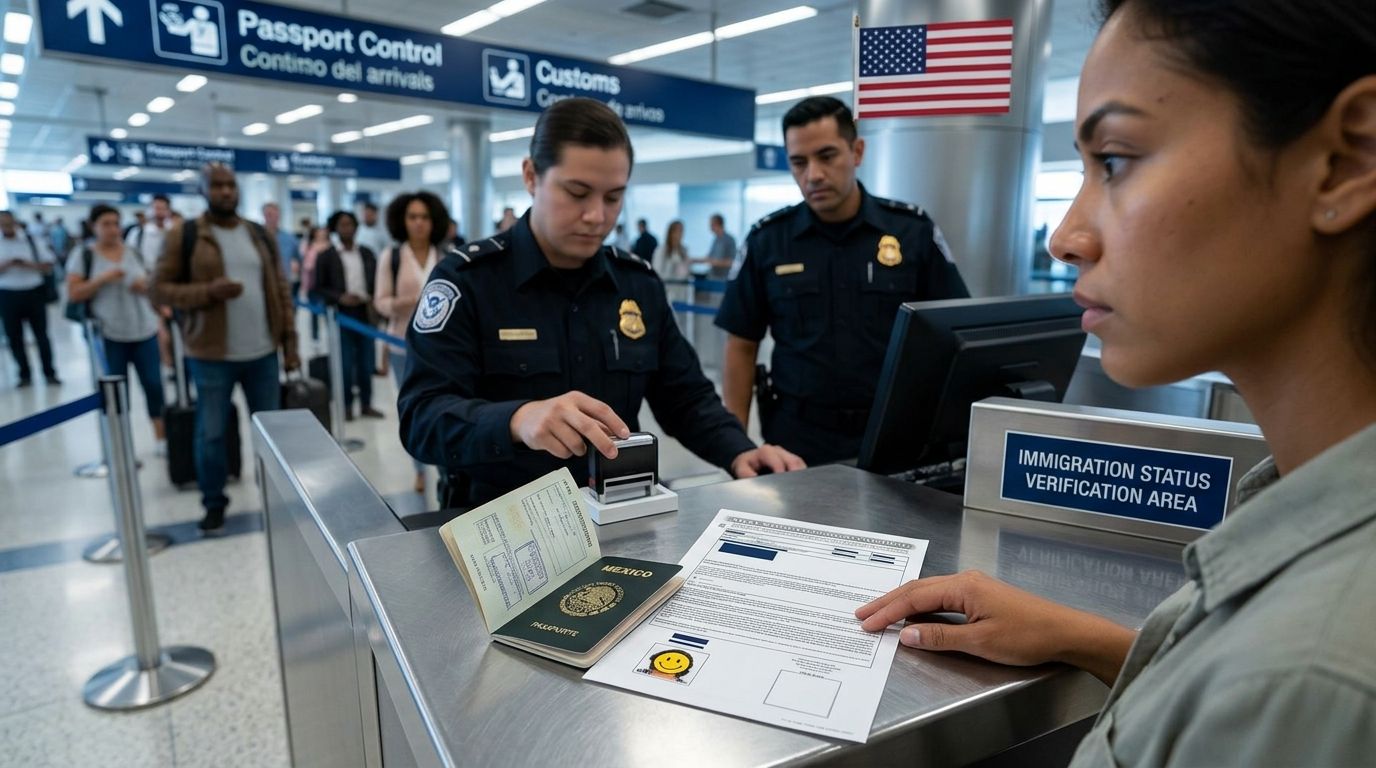
Airports in the United States are federal jurisdiction.
By Arzoo Connor • September 15, 2026
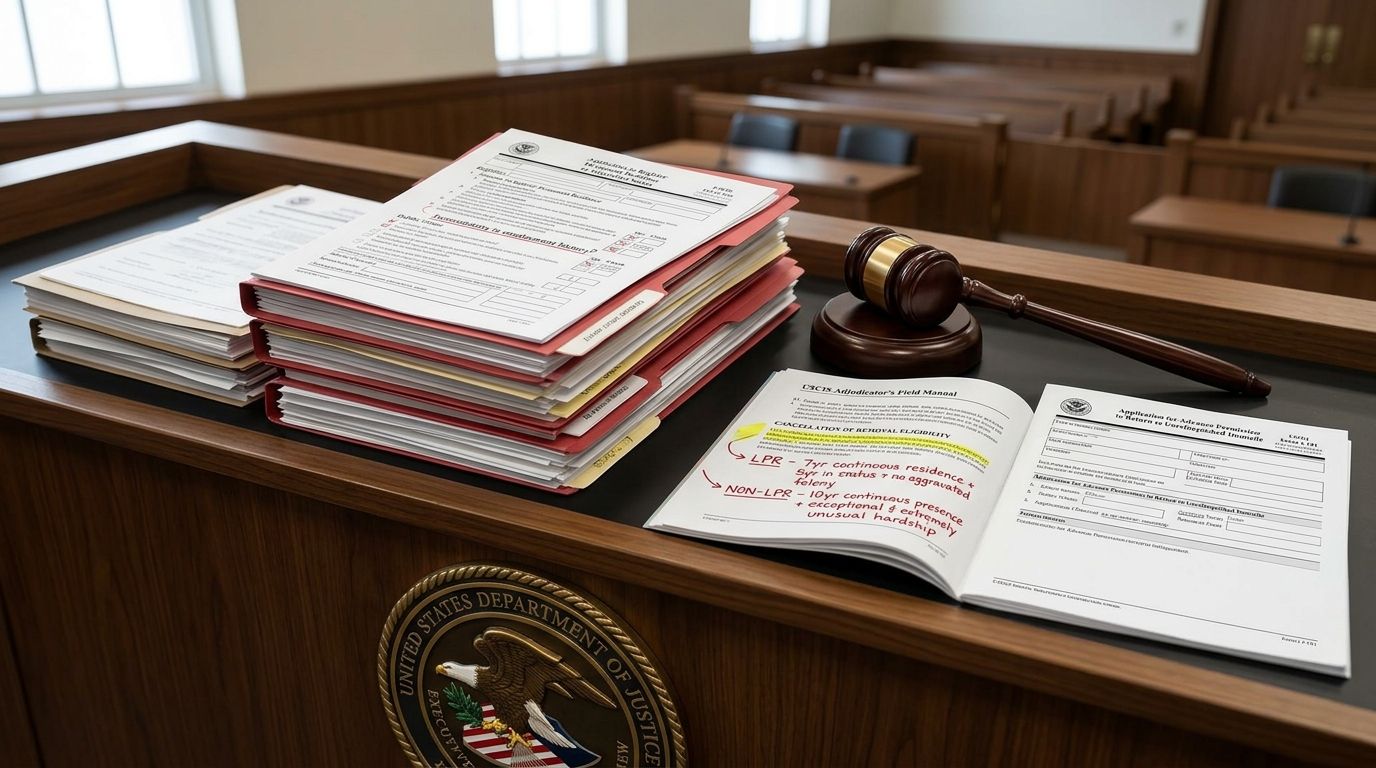
Cancellation of removal is a form of relief in immigration court that allows certain people who are in removal proceedings to avoid deportation and, in some cases, receive a green card.
By Arzoo Connor • September 9, 2026
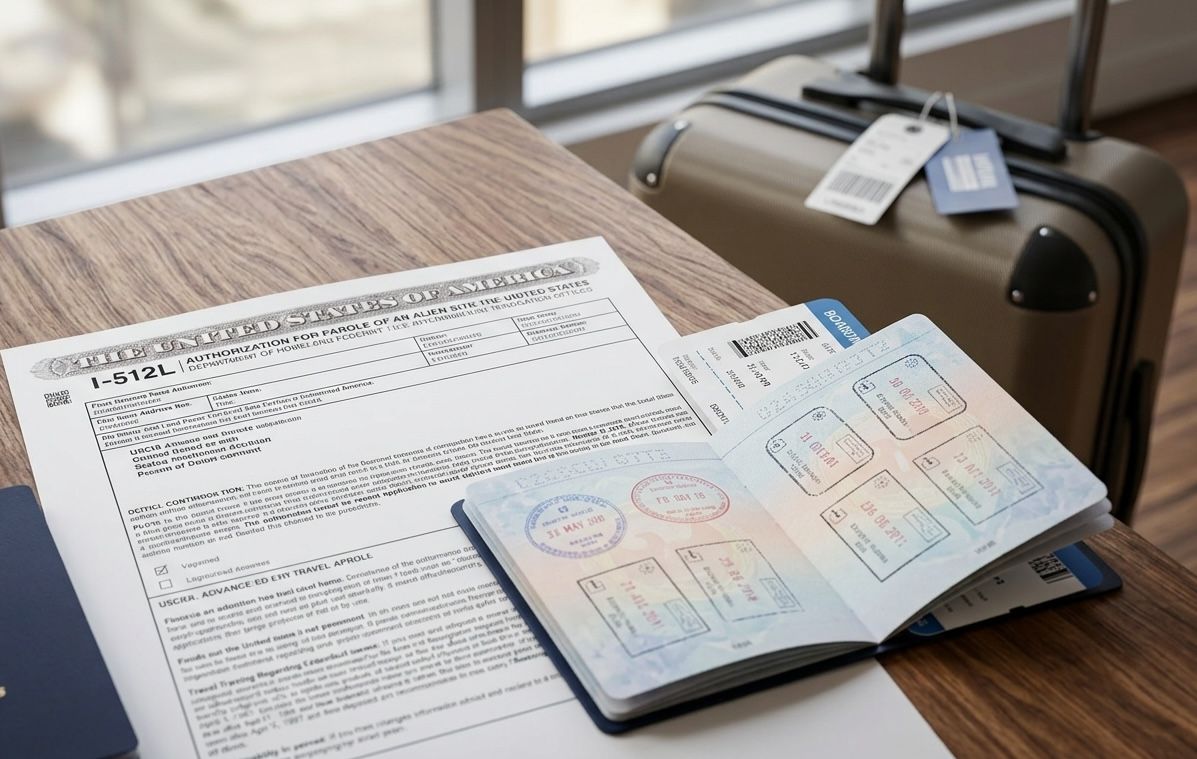
Advance parole is a travel document that allows certain noncitizens with pending adjustment of status applications to leave and reenter the United States without abandoning their case.
By Arzoo Connor • August 31, 2026
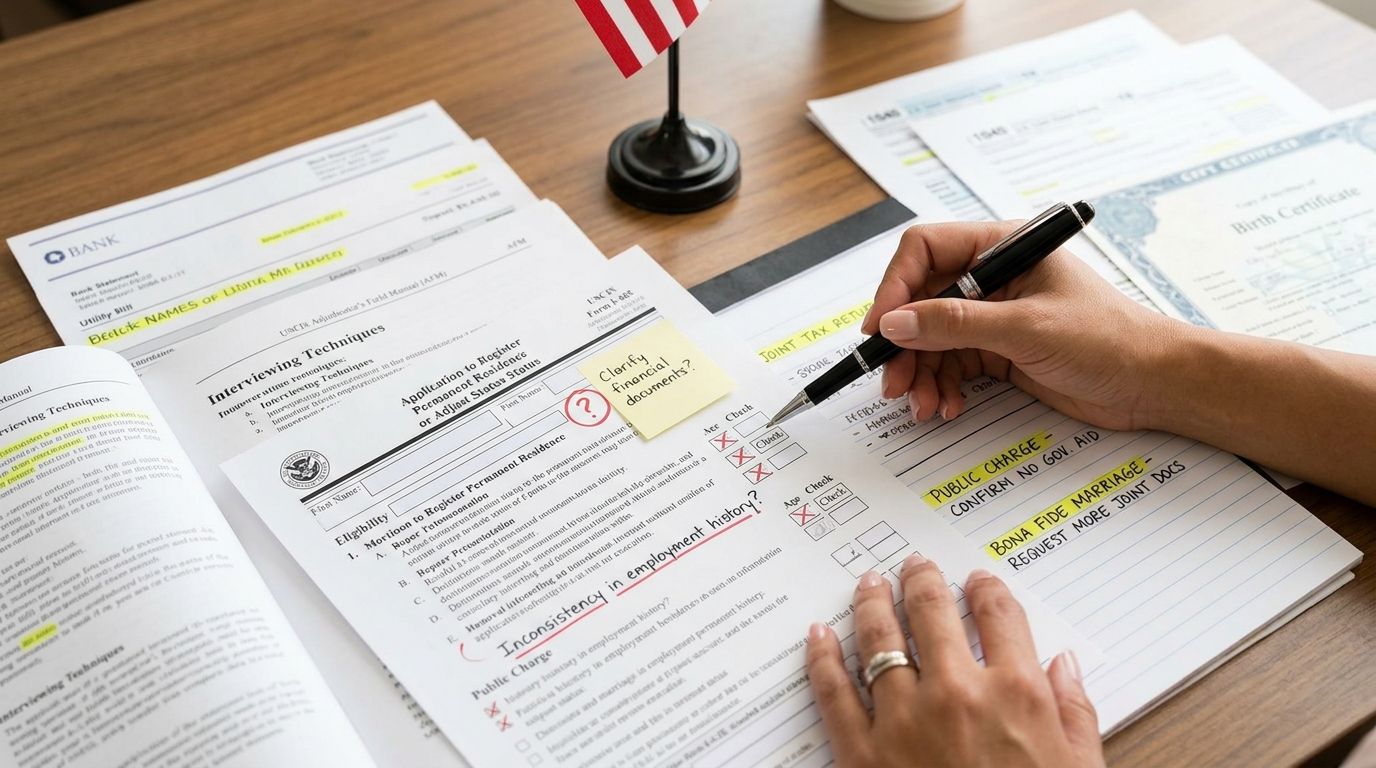
At adjustment of status interviews in 2026, USCIS officers are asking more detailed and more pointed questions than they were two years ago.
By Arzoo Connor • August 28, 2026
If you are eligible to apply for a green card through adjustment of status and you have been waiting, stop waiting. File before September. Here is what changed and why timing matters right now.
By Arzoo Connor • August 28, 2026
If you had a removal order or an administratively closed immigration court case and later received a green card, that court case is still an obstacle
By Arzoo Connor • August 1, 2026
Green card holders face different estate tax rules than US citizens, and the gap between what a citizen's family pays and what a noncitizen's family pays can be significant.
By Arzoo Connor • July 30, 2026
I-130 family petitions are currently taking close to two years to be approved by USCIS.
By Arzoo Connor • July 27, 2026
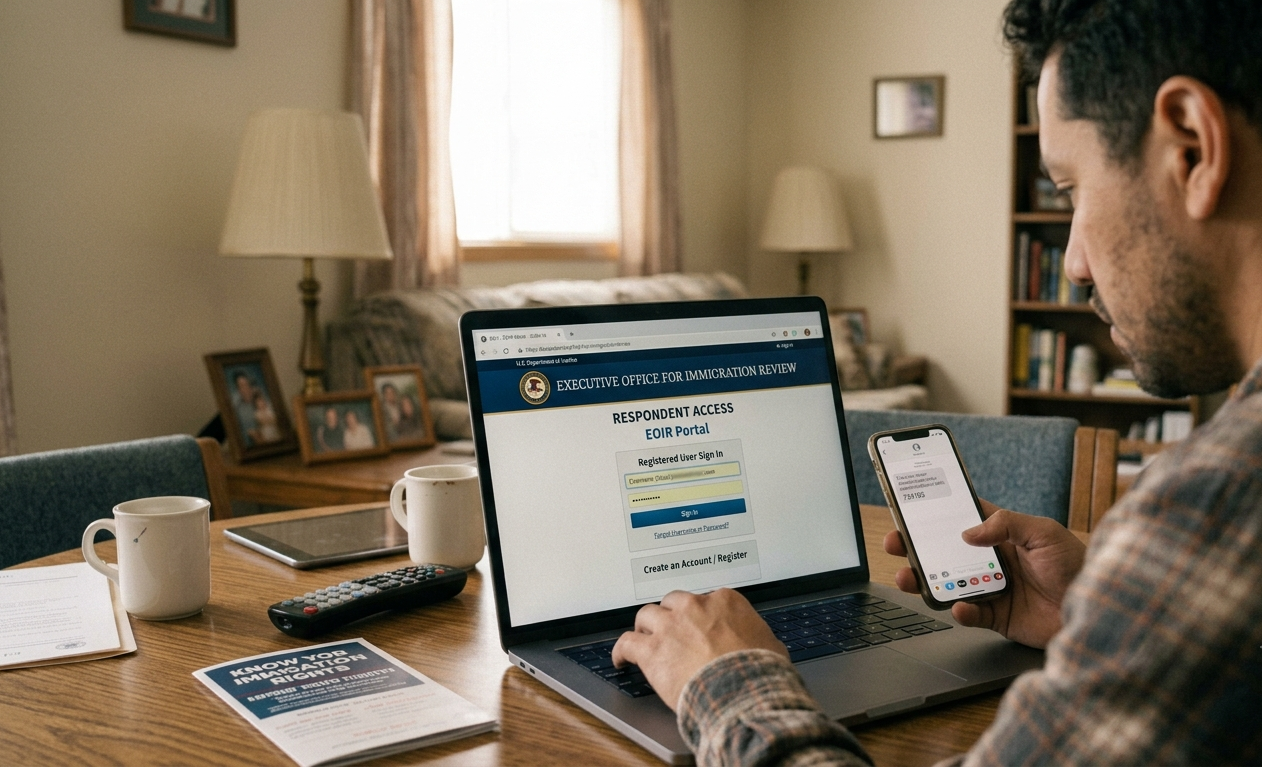
If you miss your immigration court hearing, the judge will almost certainly issue an in absentia order of removal. That means you are ordered deported without being present, without being heard, and often without knowing it happened until ICE comes to your door or you try to travel and find out at the border. This is one of the most common ways people lose cases that could have gone differently. I see it in Dallas immigration court regularly. Someone got a notice to appear, life got in the way, they thought they could reschedule, or they never received the notice at all because it went to an old address. The hearing happened without them. The order was issued. Now they are asking me what can be done. What an in absentia removal order means for your case An in absentia removal order is a formal order of deportation entered by an immigration judge when a respondent fails to appear. Once it is issued, you are subject to removal from the United States. If you have any pending applications or relief that you had not yet presented to the court, those matters are not automatically preserved. The order treats your failure to appear as a waiver of your right to be heard. The order also creates a ten-year bar on most forms of discretionary relief and makes it significantly harder to reopen your case, though not impossible in every situation. Can an in absentia order be reopened? Yes, in certain circumstances. You can file a motion to reopen an in absentia removal order if you can demonstrate that you did not receive proper notice of the hearing, or if you can show that exceptional circumstances caused your failure to appear. Exceptional circumstances under immigration law means something serious and beyond your control, not a scheduling conflict or a misunderstanding about the date. In immigration courts right now, judges are scrutinizing motions to reopen carefully. The standard for what qualifies as exceptional circumstances is applied strictly. A credible showing that notice was not properly received carries more weight than an argument that you forgot or were confused about the date. There are also deadlines. A motion to reopen based on lack of notice must generally be filed within a reasonable time. A motion based on exceptional circumstances must be filed within 180 days of the order. These deadlines matter and missing them closes additional doors. What if you never received notice of the hearing? Notice issues are more common than people realize. If the address on file with the immigration court was incorrect, if the notice was sent to an old address you had not updated, or if there is a documented problem with the notice that was sent, you may have grounds to reopen the case. Courts do look at whether notice was properly given before holding someone responsible for failing to appear. If you received a notice to appear that listed a time or date as TBD or to be determined, there is ongoing litigation about whether a subsequent notice sent to the address on file constitutes proper notice. This area of law has shifted in recent years and it is worth discussing with an attorney who practices in your specific immigration court. What to do right now if you have a missed hearing If you missed a hearing and you know an order may have been entered, do not wait to find out. Contact an immigration attorney as soon as possible. The sooner you act, the more options exist. Every day that passes after an in absentia order closes windows that may not reopen. If you are not sure whether an order was entered, you can check the status of your case on the EOIR website using your alien registration number. Your attorney can also pull the case record and determine what happened and when. If you have a hearing coming up and you are afraid to go, I understand that fear. But not going is almost always the worst outcome. An immigration judge who sees you show up, present your case, and engage with the process has the ability to exercise discretion. A judge who sees an empty chair does not.  If you have a missed hearing or an upcoming court date you are not sure how to handle, call us. Attorney Arzoo Connor ARC Legal Services | Fort Worth, TX | Hablamos Español 469-200-0158 | www.arclawoffice.com This post is for general informational purposes only and is not legal advice. Immigration law is complex and every case is different. Please consult a qualified attorney about your individual situation.